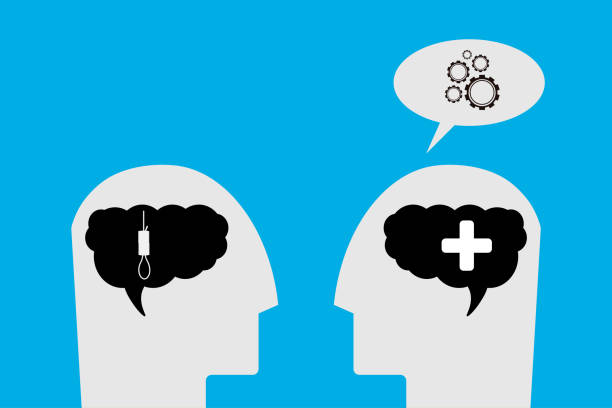
In an age where information cascades from countless sources, feeling doubtful about what you encounter is not a sign of cynicism, but of critical engagement. That moment of hesitation is a crucial cognitive checkpoint, a signal to pause before accepting, sharing, or acting on a claim. Navigating this doubt requires a methodical yet flexible approach, transforming suspicion into informed judgment through a series of practical steps.
The first and most powerful step is to pause and interrogate your own reaction. Ask yourself why you feel doubtful. Is the claim emotionally charged, perhaps triggering anger or fear, which are common tools for misinformation? Does it align too perfectly with your existing beliefs, creating a potential “confirmation bias” blind spot? Conversely, does it contradict your worldview in a way that might provoke instant dismissal? Acknowledging your own emotional and cognitive predispositions creates a foundation for more objective verification. Following this internal check, immediately consider the source. Who is sharing this information, and what is their primary motive? Reputable journalism, academic institutions, and scientific bodies have established processes for fact-checking and peer review, and their credibility hinges on accuracy. An anonymous social media account, a website with a clear political or commercial agenda, or a platform known for sensationalism warrants far greater scrutiny. Look for “About Us” pages, author biographies, and transparent disclosure of funding.
With the source in mind, the next practical move is to seek out corroboration from other, independent sources. This is the cornerstone of verification. Do not simply read different articles on the same website or network; seek reporting from organizations with different editorial perspectives. Use search engines to look for the key claim alongside terms like “fact check” or “debunked.“ Established fact-checking organizations like Snopes, Politifact, and the International Fact-Checking Network (IFCN) affiliates are invaluable tools here. True information will typically be reported by multiple credible outlets, even if their analysis differs. If you cannot find reputable confirmation, or if the only sources repeating the claim are obscure or clearly biased, your doubt is well-founded.
Beyond the “who,“ critically examine the “how” the information is presented. Check the date of the material, as old news can be repurposed misleadingly. Look for citations, data, and quotes from identifiable experts. Be wary of sweeping generalizations, logical fallacies, or a heavy reliance on anecdotal evidence. When statistics or studies are cited, see if they are linked to primary sources like official reports or peer-reviewed papers. A lack of supporting evidence or the use of manipulated media—such as images or videos taken out of context—are major red flags. Reverse image searches using tools like Google Lens can quickly verify if a photo is being used deceptively.
Finally, cultivate a habit of consulting authoritative primary sources whenever possible. If a news article cites a new law, seek the actual legislative text from a government website. If a health claim references a scientific study, look for the abstract or press release from the journal itself. While primary sources can be complex, they remove the layer of interpretation that can sometimes distort information. This step is particularly crucial for legal, medical, or official policy matters.
Ultimately, verifying information is an active practice, not a passive talent. It requires slowing down the instinct to react, embracing a healthy skepticism, and investing a few extra minutes in investigation. By methodically checking the source, seeking independent corroboration, analyzing the evidence, and consulting primary materials where feasible, you transform doubt from a state of uncertainty into a disciplined process of discovery. This practice not only shields you from falsehoods but also deepens your understanding, empowering you to participate in the digital world with greater confidence and responsibility.