Skip to Content

Balancing Tradition with Personal Spiritual Inquiry

The Sacred Tension: When Inherited Beliefs Meet Lived Experience

The Sacred Tension: When Inherited Beliefs Meet Lived Experience

Every spiritual seeker eventually encounters the quiet collision between what they were taught and what they have lived.

The Sacred Tension: When Questioning Doctrine Becomes an Act of Devotion

The Sacred Tension: When Questioning Doctrine Becomes an Act of Devotion

For many spiritual pilgrims, there comes a moment when inherited prayers feel hollow and familiar rituals seem empty, when stories that promised certainty fracture under honest questions.

The Uncomfortable Gift of Questioning What We Were Taught to Believe

The Uncomfortable Gift of Questioning What We Were Taught to Believe

Every act of genuine faith begins with a crack.

Reinterpreting Ancestral Traditions: A Path to Authentic Faith

Reinterpreting Ancestral Traditions: A Path to Authentic Faith

Doubt often arrives at the threshold of inherited belief.

The Paradox of Orthodoxy: How Questioning Tradition Can Deepen Faith

The Paradox of Orthodoxy: How Questioning Tradition Can Deepen Faith

The human soul has always craved anchors.

The Tension Between Ancestral Faith and Individual Revelation

The Tension Between Ancestral Faith and Individual Revelation

Every spiritual seeker eventually confronts a quiet but persistent friction: the inherited rituals, prayers, and beliefs passed down through generations feel both like a cradle and a cage.
The Spiritual Necessity of Questioning Dogma While Respecting Roots

The Spiritual Necessity of Questioning Dogma While Respecting Roots

Doubt is not the enemy of faith but its refining fire.

Questioning Religious Authority While Honoring Ancestral Practices

Questioning Religious Authority While Honoring Ancestral Practices

The tension between inherited tradition and personal spiritual inquiry often feels like a choice between loyalty and authenticity.
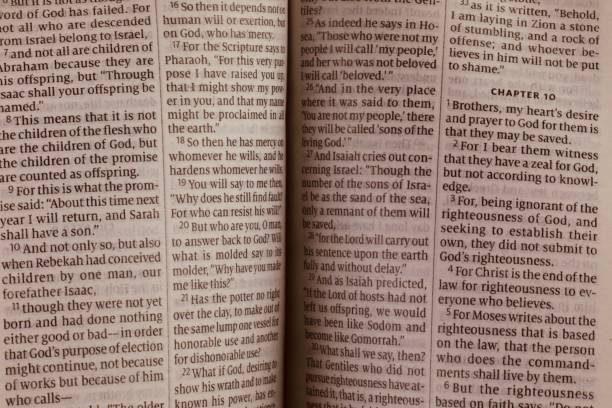
The Role of Sacred Texts: Infallible Guide or Living Conversation?

The Role of Sacred Texts: Infallible Guide or Living Conversation?

For centuries, sacred texts have served as the bedrock of faith traditions, offering believers a fixed point of reference in a shifting world.

The Role of Sacred Texts: Balancing Canon with Personal Revelation

The Role of Sacred Texts: Balancing Canon with Personal Revelation

For countless believers, the question of authority sits at the very heart of spiritual life.
The Sacred Tension: Reconciling Inherited Doctrine with Inner Spiritual Claims

The Sacred Tension: Reconciling Inherited Doctrine with Inner Spiritual Claims

For countless believers across the world’s religious traditions, a quiet yet persistent friction exists between the faith handed down by ancestors and the spiritual insights born of personal experience.

Balancing Belief and Belonging: Navigating Personal Doubts Within Community Ties

Balancing Belief and Belonging: Navigating Personal Doubts Within Community Ties

The journey of personal growth often involves questioning long-held beliefs, a process that can feel isolating when those beliefs form the bedrock of our closest communities.

Seeds of Doubt

What role does emotional self-doubt play in spiritual questioning?

Emotional self-doubt (“Am I good enough?“) often masquerades as intellectual doubt (“Is this true?“). It’s crucial to discern the source. Spiritual inquiry should address the intellectual questions, but personal growth requires also healing the emotional wound. Confidence built on self-worth allows for clearer, less fearful questioning.

How do I handle doubt without feeling isolated or guilty?

First, normalize it. Every serious seeker experiences doubt; it’s a sign of engagement, not deficiency. Seek out trusted mentors or communities that welcome questions. Practice self-compassion—guilt shuts down growth. Frame your doubt as a question seeking an answer, not a verdict, and begin a deliberate, kind inquiry into its roots.

How can doubt be a catalyst for growth instead of a weakness?

Doubt challenges complacency, forcing a move from inherited belief to owned conviction. By questioning, you actively engage with your worldview, testing its strength and relevance. This process builds intellectual and spiritual muscle, leading to a more resilient and personalized understanding. Harnessed correctly, doubt is the engine of maturity, moving you from passive acceptance to active, confident knowing.

How can I doubt conspiracy theories constructively?

Apply consistent critical thinking: Who benefits from this narrative? What evidence is provided, and is it verifiable? Does it rely on secret, special knowledge unavailable to others? Does it paint the world in an overly simplistic “us vs. them” framework? Use doubt to deconstruct the theory’s logic and emotional appeal, not to reinforce your pre-existing beliefs.

How do I navigate doubts about foundational texts or teachings?

Approach them as a student, not a prosecutor. Study historical context, scholarly interpretations, and the lived experience of the tradition. Ask what the core teaching aims to cultivate in a person. Sometimes, doubt points to a literalistic understanding that may be expanded by metaphor, wisdom, or deeper theological principles you haven’t yet encountered.