The moment the underdog steps onto the stage, court, or boardroom, a familiar sensation arrives—the tightening of the chest, the tremor in the hands, the cacophony of what-ifs that threaten to derail every ounce of preparation. This is doubt in its rawest form, dressed in the skin of pressure. Most people interpret this feeling as a warning sign, a signal to retreat or play small. But for those who understand that pressure is not a burden but a privilege, this very sensation becomes the fuel that transforms an underdog into an unstoppable force. The ability to embrace pressure as a gift rather than a curse is the defining skill that separates those who merely survive from those who thrive when the stakes are highest.
Consider the nature of pressure itself. It only exists when something truly matters. No one feels anxious about a game that means nothing, a presentation that holds no consequences, or a conversation that cannot change anything. The very presence of pressure signals that you have arrived at a moment of significance, a moment where your actions have weight. For the underdog, this is a revelation. The person who is expected to fail feels no pressure at all because nothing is at stake for them in the eyes of others. But when the underdog has earned their place and the spotlight turns toward them, that pressure confirms that they are no longer invisible. They have become a legitimate contender. Embracing this shift in perspective transforms the physical symptoms of nervous energy—sweaty palms, rapid heartbeat, shallow breathing—from signs of weakness into evidence of readiness. The body is simply preparing for a peak performance, just as a racehorse trembles at the starting gate not from fear but from anticipation.
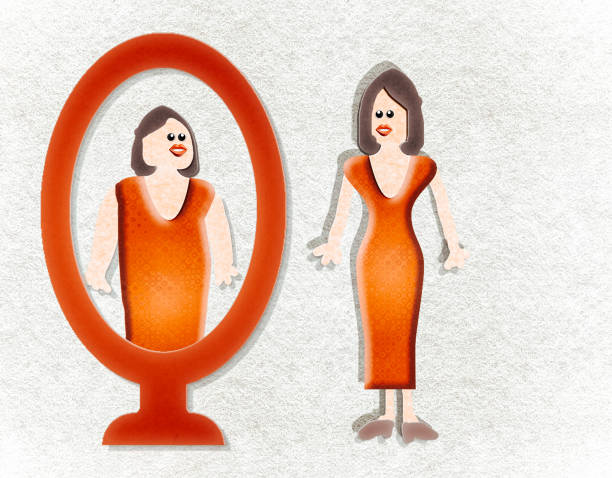
The paradox of doubt is that it sharpens focus in ways that confidence alone cannot. The underdog who has wrestled with self-doubt knows the terrain of their own mind intimately. They have already played out every failure scenario, imagined every criticism, and faced the worst version of themselves in the mirror. When pressure arrives, the underdog is not surprised by their own anxiety. They have already made friends with it. This familiarity becomes an advantage. While the favorite might crumble under unexpected resistance, the underdog has built resilience through repeated encounters with doubt. Their mental calluses allow them to stay present and adaptable when the moment demands agility. The key is not to eliminate doubt but to welcome it as a companion that keeps you from becoming complacent. Doubt forces you to double-check your preparation, to consider alternative paths, and to stay humble enough to adjust your strategy in real time.
Pressure also compresses time and intensifies focus. When the stakes are high, distractions fall away. The underdog who has been told they cannot win has nothing to lose and everything to gain. This liberating truth allows them to play with a freedom that the favorite, burdened by expectations, cannot access. Embracing pressure as a privilege means recognizing that you have been invited into an arena that most people never dare to enter. The privilege is not in winning but in being tested. Every great story of an underdog victory is fundamentally a story about someone who refused to shrink from the weight of the moment. They stepped into the fire trusting that the heat would forge them into something stronger, not consume them.
This mindset requires practice. It is not a switch that can be flipped in the final seconds of a close game or the final minutes of a critical presentation. You must train yourself to associate pressure with excitement rather than dread. Before a high-stakes event, when the heart begins to race, tell yourself that you are not scared—you are ready. Channel that energy into your voice, your movements, your decisions. Let the doubt become a signal that you are fully engaged with life, not a reason to retreat. The underdog who masters this reframing discovers that pressure does not diminish performance; it amplifies it. The same nervous energy that once caused mistakes becomes the catalyst for extraordinary effort.
In the end, the underdog’s greatest weapon is the willingness to stand in the storm of doubt and declare that the storm is exactly where they belong. The privilege of pressure is the privilege of being alive in a moment that matters. When you stop treating pressure as an enemy and start treating it as an invitation, you unlock a level of performance that no amount of comfort can provide. The doubts that once held you back become the very forces that push you forward. This is the art of the underdog: not avoiding the weight of expectation, but lifting it with both hands and using it to rise higher than anyone believed possible.