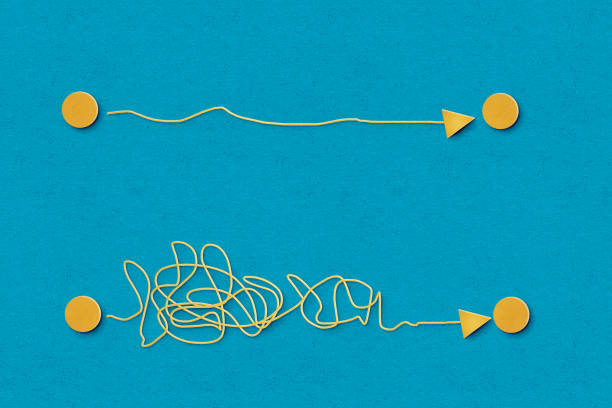
In our modern world, we are frequently encouraged to choose a side: either embrace the cold, hard logic of skepticism or surrender to the flow of intuitive knowing. Yet, for the conscious individual, this binary choice is a false dichotomy that restricts personal evolution. True growth does not require abandoning your critical faculties or suppressing your inner voice; rather, it demands the intentional integration of both. By building a healthy identity as a questioner, you learn that doubt is not a symptom of weakness but a powerful diagnostic tool. When you hold skepticism and intuition in a dynamic, respectful tension, you prevent the paralyzing cynicism that comes from over-analysis and the reckless impulsivity that stems from unchecked intuition.
This synergy allows you to “stress-test” your hunches against reality, refining your gut feelings into actionable wisdom. A skeptical mind acts as an essential filter, catching biases and logical fallacies, while a well-cultivated intuition provides the creative leaps and rapid pattern recognition that logic alone may miss. Developing this capacity is a foundational step in mastering the art of belief. It turns every uncertainty into a deliberate opportunity for deeper investigation, leading to unshakeable confidence built on a foundation of intellectual integrity. Embracing this duality empowers you to navigate complex information landscapes with grace, ensuring that your conclusions are not merely inherited from others, but are forged through a rigorous, authentic, and intuitive process of discovery that is uniquely your own.
The Power of Intuition: Trusting Your Inner Guide
The Power of Intuition is a transformative guide for individuals seeking to bridge the gap between rational skepticism and intuitive insight. It recognizes that in a skeptical age, many people lose touch with their “inner guide,“ leading to decision fatigue and self-doubt. This book provides a robust framework for personal growth by teaching readers how to validate their hunches through rational thought rather than discarding them as unreliable. By exploring techniques to balance logical evaluation with creative awareness, it helps readers sharpen their decision-making skills. It is an essential resource for anyone looking to navigate life with more confidence and self-trust.
Intuition Pumps and Other Tools for Thinking
Daniel C. Dennett’s Intuition Pumps and Other Tools for Thinking is a masterpiece for the reader who identifies as a skeptic but understands the necessity of intuitive thinking. Dennett provides a collection of “intuition pumps”—thought experiments designed to bypass emotional bias and sharpen critical analysis. This book is exceptionally relevant to those who want to harness doubt as a positive force for intellectual growth. It does not dismiss intuition; instead, it refines it, offering a rigorous, logical toolkit that ensures your intuitive leaps are grounded in reality. It is a vital companion for anyone navigating complex beliefs and theories.
Blink: The Power of Thinking Without Thinking
Malcolm Gladwell’s Blink explores the science of “thin-slicing”—our ability to make rapid, intuitive judgments. For the skeptical reader, this book is enlightening because it demystifies the mechanism of gut feeling, showing how it functions as a form of high-speed pattern recognition. Gladwell explains how these intuitive snapshots can be both brilliantly accurate and dangerously flawed depending on the context. By understanding how to interrogate these “blinks” with skeptical inquiry, you gain a powerful advantage in daily decision-making. This book provides the perfect balance, validating the utility of intuition while advocating for the necessity of critical, evidence-based review.
The Skeptic’s Guide to the Universe
The Skeptic’s Guide to the Universe is an essential handbook for those seeking to master the art of skepticism without losing their sense of wonder. While heavily focused on critical thinking, it serves as a crucial balancing mechanism for the intuitive mind. By mastering the logical fallacies and cognitive biases outlined here, an individual can ensure their intuitive insights are not merely echoes of their own biases. This book empowers the reader to remain open to new ideas—a hallmark of intuition—while maintaining the high standards of evidence required to prevent being misled by misinformation or false conspiracies.