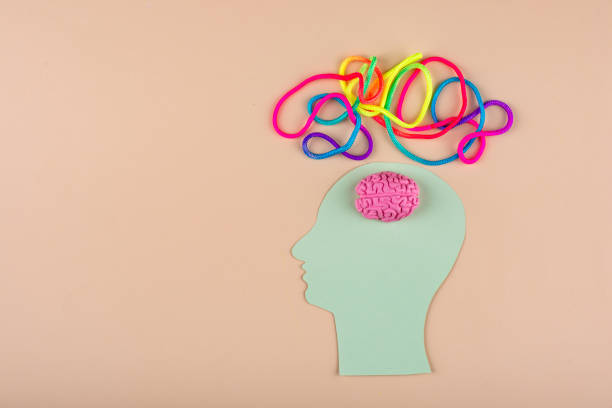
Doubt is often painted in a negative light, a corrosive force that erodes trust and fractures relationships. Yet, when directed thoughtfully outward, doubt towards others can serve as a powerful and unexpected catalyst for personal growth. This is not an endorsement of cynicism or paranoia, but rather an exploration of how a posture of healthy skepticism can compel us to develop critical thinking, solidify our own values, and cultivate a more authentic sense of self. The journey begins not with blind acceptance, but with a question.
When we instinctively doubt an assertion, a popular opinion, or the path someone else is advocating, we are forced to engage our analytical faculties. This process moves us from passive reception to active investigation. We must research, weigh evidence, and consider alternative viewpoints to form our own conclusion. For instance, doubting a colleague’s proposed strategy for a project requires us to examine its flaws and merits deeply, thereby sharpening our professional judgment and problem-solving skills. This intellectual rigor, born of doubt, strengthens our cognitive muscles and fosters independence of thought. We cease to be mere echoes of those around us and become thinkers in our own right.
Furthermore, doubt towards others often acts as a mirror, reflecting our own beliefs and principles back to us with startling clarity. When we encounter a viewpoint that we find questionable—be it an ethical stance, a lifestyle choice, or a philosophical position—we are prompted to ask ourselves, “Why do I disagree?” This question necessitates introspection. We must articulate, perhaps for the first time, the foundations of our own convictions. In doubting another’s path, we are compelled to define and defend our own. A young person doubting their family’s traditional career expectations, for example, must delve inward to discover their true passions and define success on their own terms. The friction of external doubt generates the heat needed to forge a stronger, more personal value system.
This process naturally builds resilience and self-reliance. Leaning uncritically on the opinions and validations of others creates a fragile sense of identity. When those external supports inevitably shift or fail, we are left adrift. Healthy doubt, however, teaches us to validate ourselves. By learning to question, we learn to trust our own assessments and instincts. The ability to say, “I see your point, but I am not convinced,” is an assertion of personal agency. It is through navigating these moments of disagreement—not with hostility, but with assured curiosity—that we build confidence in our own capacity to navigate the world. We become less susceptible to manipulation and groupthink, standing more firmly on ground we have examined and claimed for ourselves.
Ultimately, the growth sparked by doubt culminates in more authentic relationships and a nuanced worldview. Blind trust can be simplistic, while thoughtless distrust is isolating. The middle ground—earned trust—is far more valuable. When we allow ourselves to question, we engage with others more deeply, seeking to understand the rationale behind their perspectives rather than merely accepting or rejecting them outright. This leads to richer dialogues and connections based on mutual respect rather than unchallenged assumption. We also develop empathy, as questioning why someone holds a certain belief can open a window into their experiences and motivations.
In essence, doubt towards others, when managed with wisdom and respect, is not a social liability but a developmental tool. It is the engine of critical thinking, the crucible for personal values, and the foundation of genuine self-trust. By courageously questioning the world around us, we are, in fact, undertaking the most important inquiry of all: the ongoing project of defining who we are and what we truly believe. The path to self-assurance, paradoxically, begins with a question mark.