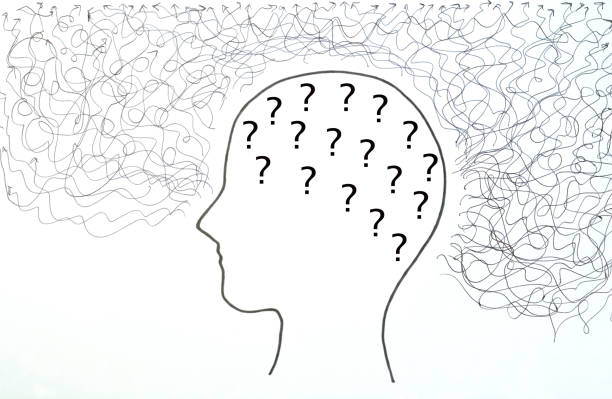
Our internal landscape is not formed in a vacuum; it is sculpted by the rivers of our experiences, most powerfully by those that carve deep channels of pain. Past failures and traumas do not simply fade into memory. Instead, they often become the silent architects of our doubt, constructing intricate, self-reinforcing patterns that influence how we perceive ourselves, our capabilities, and the world around us. This influence operates on both psychological and neurological levels, weaving a narrative of limitation that can feel inescapable.
At its core, this process is a protective mechanism. The brain, having endured a significant failure or a traumatic event, learns a potent lesson: a certain action, situation, or expression of trust led to pain. To prevent a recurrence, it heightens vigilance, erecting doubt as an early warning system. For instance, a professional who faced public humiliation after a failed project may later be paralyzed by doubt when presenting new ideas, their mind flooding with catastrophic predictions. This is not a rational assessment of the current moment but a learned emotional response, where past evidence overpowers present reality. The doubt pattern becomes a cognitive shortcut, a way to avoid re-experiencing the shame, fear, or helplessness of the original event.
Trauma, particularly, seeds doubt at a foundational level. It often shatters core beliefs about safety, trust, and self-efficacy. A person who has experienced betrayal may develop a pervasive pattern of relational doubt, constantly questioning the motives of loved ones and waiting for the other shoe to drop. This doubt is a fortress wall, built to keep future hurt out, but it also imprisons the individual within a life of isolation and hyper-vigilance. Similarly, chronic childhood failures or criticisms can forge a pattern of intrinsic self-doubt. The individual internalizes a belief of fundamental inadequacy, so every new challenge is met not with curiosity but with the pre-emptive certainty of “I can’t,“ a ghost of past disappointments whispering in the present.
Neurologically, these experiences leave their mark. Stressful and traumatic events can dysregulate the brain’s threat-detection system, the amygdala, making it hypersensitive. Meanwhile, activity in the prefrontal cortex, responsible for rational thought and emotional regulation, can become diminished during stress recall. This means that when a current situation vaguely resembles a past pain, the brain’s alarm bells ring loudly and instantly, while the rational voice that could counter the doubt is drowned out. The doubt pattern becomes a well-worn neural pathway, the brain’s default route when it senses potential danger, making it increasingly automatic and difficult to bypass.
Furthermore, these patterns are often reinforced by avoidance. Each time we heed the doubt and retreat from a potential risk—whether it’s not applying for a promotion, avoiding intimacy, or abandoning a creative pursuit—we receive a temporary relief from anxiety. This negative reinforcement strengthens the doubt pattern, teaching the brain that avoidance is the correct solution. The territory of our life slowly shrinks, governed not by aspiration but by the silent dictatorship of past pain. We begin to doubt not only specific outcomes but our very right to seek a better, different future.
Ultimately, the influence of past failures and traumas on doubt is a story the mind continues to write long after the initial event has passed. It crafts a protagonist who is fragile, a world that is threatening, and a plot that inevitably leads to defeat. Recognizing these patterns as learned narratives, not unchangeable truths, is the first step toward rewriting them. It involves understanding that present doubt is frequently a echo of past pain, a signal not of current threat but of historical injury that needs compassionate attention. By confronting these echoes with awareness and often with therapeutic support, we can begin to disentangle the past from the present, allowing for a future where doubt is a occasional advisor, not a permanent warden.