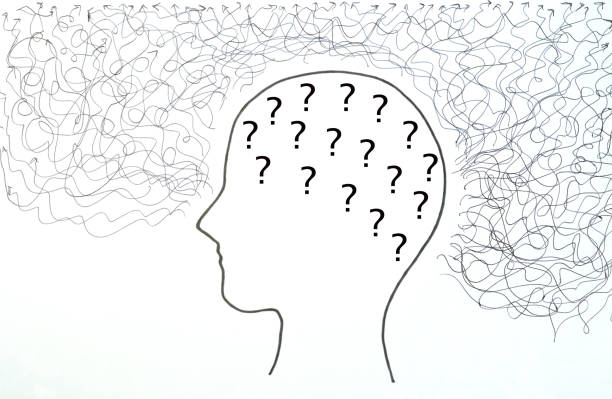
The inner voice of doubt is a universal human experience, a whisper that can either protect us from peril or paralyze us with fear. In the crucible of decision-making—whether about a career change, a relationship, or a personal goal—discerning whether our doubts are rational signals or mere self-sabotage becomes a critical act of self-awareness. While the line between the two can feel frustratingly thin, examining the origin, nature, and consequence of our doubts can illuminate their true character.
Rational doubt is fundamentally evidence-based and situational. It arises from a clear assessment of facts, past experiences, or identifiable risks. This form of doubt asks specific, logical questions: “Do I have the necessary skills for this promotion based on the job description?“ or “Have past interactions with this person shown a pattern of unreliability that justifies my hesitation?“ Rational doubt is objective; it focuses on the external circumstances and can often be addressed with research, preparation, or seeking further information. It feels like a cautious, analytical pause, designed to course-correct and ensure a decision is sound. When you entertain a rational doubt, you typically feel clearer, even if still uncertain, because you are engaging with tangible problems that have potential solutions. The goal of rational doubt is prudent navigation, not abandonment of the journey.
Self-sabotage, in contrast, is rooted in internal narratives and emotional wounds rather than external reality. Its voice is often vague, absolute, and tied to our core fears and self-concept. This doubt doesn’t question the situation as much as it questions the self. It manifests as thoughts like, “I don’t deserve this success,“ “I will inevitably fail because I’m a fraud,“ or “Why even try? It won’t work out.“ These statements are global, emotional, and disconnected from the specific details of the present moment. They are often echoes of past hurts, ingrained beliefs from childhood, or a fear of vulnerability. The goal of self-sabotaging doubt is not to improve an outcome but to subconsciously confirm a negative self-belief or to avoid the risk of failure, judgment, or disappointment by retreating to a familiar, if unhappy, state.
A powerful litmus test lies in examining the trajectory of your thoughts. Rational doubt tends to open avenues of inquiry. It leads you to seek mentors, create contingency plans, or practice harder. Self-sabotaging doubt spirals inward, leading to rumination, catastrophizing, and inaction. It paralyzes rather than prepares. Furthermore, consider the pattern. Is this doubt a novel response to a genuinely new and high-stakes situation, or is it a familiar refrain that surfaces whenever you approach any form of growth or opportunity? The repetitive, predictable nature of doubt across disparate life areas often signals self-sabotage.
Another crucial distinction is found in the emotional residue. Rational doubt, while uncomfortable, often carries a tone of concern or calculated caution. The anxiety is tied to the event. The anxiety from self-sabotage is frequently laced with shame, a sense of unworthiness, or a deep-seated fear of being “found out.“ It feels heavier, more personal, and less about the event and more about your fundamental identity.
Ultimately, navigating this dichotomy requires compassionate introspection. We must learn to interrogate our doubts with curiosity rather than condemnation. Ask: “What is this doubt trying to tell me? Is it pointing to a real problem I can solve, or is it trying to protect me from a perceived emotional threat?“ Sometimes, the most profound insight comes from action itself. Taking a small, manageable step forward can reveal the truth; rational doubts may be assuaged by progress, while self-sabotaging voices often grow louder in the face of forward movement, revealing their true obstructive nature. In the end, knowing the difference is not about silencing doubt, but about learning its language—to heed its wise warnings when it speaks of real danger, and to gently but firmly overrule it when it speaks only from the shadows of old fears.