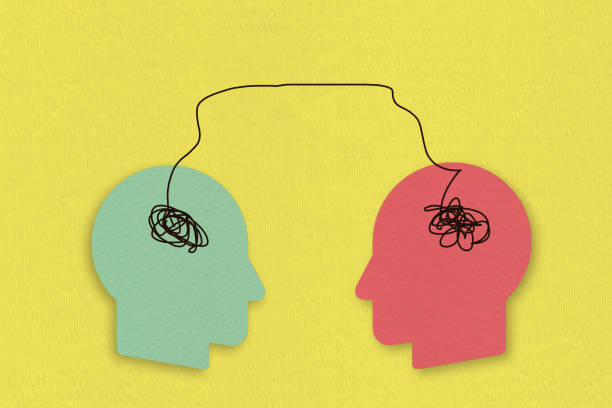
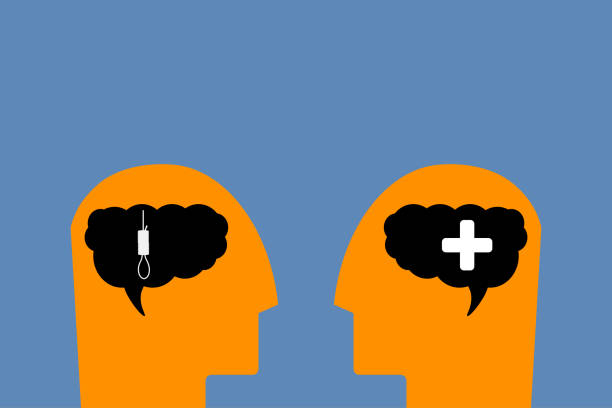
In an era defined by an unprecedented deluge of data, the ability to discern truth from noise is perhaps the most vital skill an individual can possess. We live in a society that often presents us with a false dichotomy: we are either expected to blindly accept the pronouncements of institutional experts or to reject all conventional wisdom in favor of cynical, contrarian skepticism. True intellectual maturity, however, lies in the narrow, challenging path between these two extremes. To become a sophisticated “doubter,“ one must learn to question authority while simultaneously respecting the profound value of genuine expertise. This is not about dismantling science, but rather about strengthening our relationship with it by understanding that science is a process, not a static collection of infallible dogmas.
By cultivating intellectual humility, we recognize that even the most seasoned experts are subject to cognitive biases, systemic limitations, and the inevitable shifts in consensus that define scientific progress. Questioning authority is not an act of rebellion, but a fundamental component of the scientific method itself, which thrives on peer review, replication, and rigorous debate. When we approach information with a spirit of “constructive doubt,“ we shift from passive consumers of headlines to active participants in the pursuit of truth. This approach allows us to harness doubt as a catalyst for growth, transforming our initial uncertainties into a framework for deeper inquiry. By balancing a healthy skepticism of power structures with an appreciation for the hard-won knowledge of the scientific community, we develop an unshakeable confidence—not in our own omniscience, but in our ability to navigate the complexities of the modern world with critical awareness and sound judgment.
This classic guide provides an essential framework for anyone looking to navigate the modern information landscape. Rather than teaching you what to think, it focuses on the mechanics of how to think by teaching readers how to dissect arguments, identify hidden assumptions, and evaluate the credibility of evidence. It is particularly relevant for the “doubter” because it provides a systematic way to challenge authority figures without dismissing their expertise. By applying these techniques, you can effectively verify whether an expert’s conclusion is supported by robust data or if it relies on logical fallacies, helping you maintain a balanced, critical perspective.
This book is a cornerstone for those wishing to harness doubt for personal growth. It masterfully breaks down the cognitive biases that plague human judgment, explaining why we are all susceptible to misinformation—including smart people and experts. By understanding how our brains trick us, you can move past the impulse to either blindly trust or outright deny established scientific findings. The authors provide a practical, empowering toolkit for identifying pseudoscience, understanding probability, and mastering the scientific method. It serves as an excellent primer for anyone wanting to maintain a deep respect for real expertise while remaining vigilantly skeptical.
While not strictly about “questioning authority,“ this masterpiece by Nobel laureate Daniel Kahneman is the foundational text for understanding why even the most respected authorities can reach flawed conclusions. By exploring the two systems that drive our thought processes, the book reveals the inherent limitations of human intuition and the susceptibility of experts to errors, framing, and context-dependent bias. For the reader interested in the “Doubter’s Guide,“ this text is invaluable. It helps you recognize that experts are human and that questioning their process is not an attack on their field, but a necessary step toward greater accuracy.
This book offers a critical counterpoint for the modern doubter, exploring the dangers of losing faith in true expertise. It examines the societal trend where “everyone’s opinion is equal,“ which often leads to the erosion of public discourse and the rejection of valid, evidence-based science. For those learning to navigate doubt, this is a vital read because it teaches you how to distinguish between healthy, evidence-based skepticism and the destructive rejection of knowledge. It reinforces the importance of valuing deep subject-matter expertise while still engaging with that expertise through the lens of critical analysis and open, constructive inquiry.