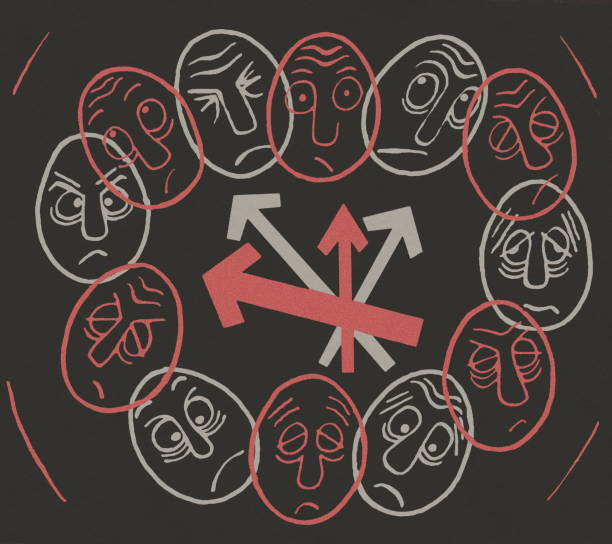
The moment before sharing a new goal or idea is often filled with a potent mix of excitement and trepidation. You have charted a course for innovation or growth, yet you know the path is littered with potential objections. Rather than viewing criticism as a destructive force to be feared, the astute leader or innovator reframes it as a predictable element of the process—one that can be prepared for, thereby strengthening the idea and its presentation from the outset. Preparing for known criticism is not an exercise in defensiveness, but one of strategic foresight and intellectual rigor, transforming potential vulnerabilities into pillars of credibility.
The first and most crucial step is to inhabit the perspective of your critics with deliberate empathy. This requires moving beyond your own assumptions and conducting a thorough pre-mortem. Before presenting, gather a small, trusted circle of diverse thinkers—not just allies, but those known for analytical skepticism or differing departmental viewpoints. Pose the question: “If this idea fails in a year, what are the most likely reasons?” This structured inquiry invites constructive dissent in a safe space, surfacing concerns about resource allocation, implementation timelines, market readiness, or potential unintended consequences. By listening without justification at this stage, you harvest genuine fault lines you may have missed.
Armed with this intelligence, you then engage in the work of fortification. This involves meticulously building your case to address these concerns directly within the fabric of your proposal. If the criticism is likely to be about cost, develop a phased financial model that highlights return on investment or identifies low-cost pilot stages. If the objection concerns disruption to current workflows, design and present a clear integration plan that includes training and support. This preparation demonstrates that you have not operated in an ideological vacuum; you have considered the operational realities and have practical solutions at the ready. The goal is to weave the answers to potential criticisms so seamlessly into your narrative that you preempt the need for the critic to voice them in their raw, oppositional form.
Furthermore, the language and framing of your presentation are paramount. Begin by acknowledging the current state of affairs and its value, thereby validating the foundation upon which your audience stands. This establishes respect and common ground. When introducing your new idea, use framing that aligns it with shared values and overarching organizational goals—such as efficiency, growth, or customer satisfaction—rather than presenting it as a radical departure for its own sake. Proactively address limitations with humility; stating what your idea does not do or what unknowns remain builds trust and shows intellectual honesty. It disarms critics by taking the sting out of their revelation and positions you as a realistic, clear-eyed proponent.
Ultimately, this preparation reshapes the very dynamic of the feedback session. When you demonstrate that you have already wrestled with the toughest questions, you shift the conversation from basic objection to advanced collaboration. Critics are no longer needed to point out glaring flaws; instead, they can engage on a higher plane, offering nuanced refinements or identifying secondary issues you can tackle together. This does not guarantee unanimous approval, but it ensures the discussion is productive and that your credibility remains intact, regardless of outcome.
Therefore, preparing for known criticism is an essential discipline of effective leadership. It is the deliberate and empathetic process of stress-testing your own vision, reinforcing its structure, and presenting it with a blend of confidence and humility. By anticipating the critiques, you honor your audience’s intelligence and concerns, transforming potential adversaries into engaged participants. In doing so, you not only safeguard your idea but also elevate the quality of the collective dialogue, turning the moment of sharing from a defensive presentation into an invitation to build a more resilient future.