
Skip to Content

Navigating Doubt in Faith and Spirituality

The Ultimate Goal of Harnessing Doubt: From Uncertainty to Wisdom

The Ultimate Goal of Harnessing Doubt: From Uncertainty to Wisdom

Doubt is often perceived as an enemy—a corrosive force that undermines faith, paralyzes action, and sows discord within the mind.

Does Religious Diversity Disprove Any Single Faith?

Does Religious Diversity Disprove Any Single Faith?

The sheer variety of world religions, each with its own distinct cosmology, ethics, and claims to truth, can feel like a powerful argument against the validity of any one tradition.

Finding Your Anchor: How to Discover a Supportive Community in Times of Doubt

Finding Your Anchor: How to Discover a Supportive Community in Times of Doubt

Doubt, in its many forms, can be one of the most isolating human experiences.
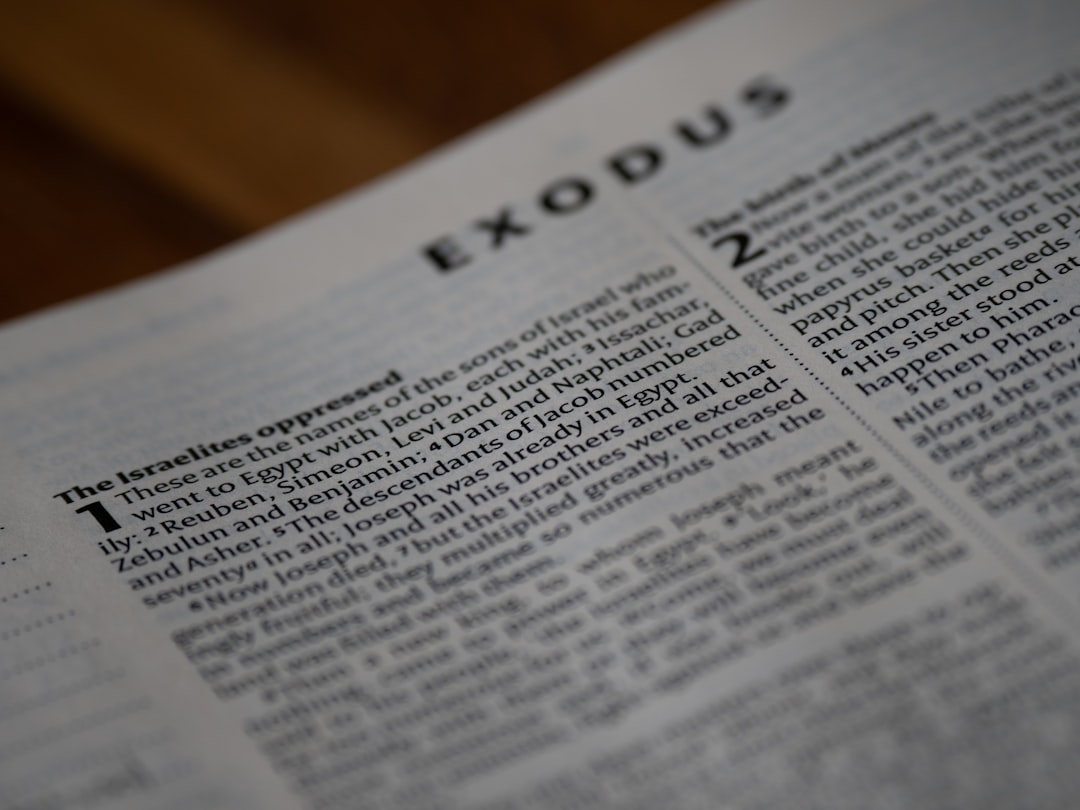
Ancient Philosophers and the Seeds of Religious Doubt

Ancient Philosophers and the Seeds of Religious Doubt

The religious landscape of the ancient world was predominantly one of myth, ritual, and unquestioned tradition.

How Doubt Can Be the Catalyst for a Deeper Spiritual Life

How Doubt Can Be the Catalyst for a Deeper Spiritual Life

In many religious traditions, doubt is portrayed as the antithesis of faith, a shadowy weakness to be overcome.

The Hidden Burden: Why Feeling Isolated in Your Doubts Is More Common Than You Think

The Hidden Burden: Why Feeling Isolated in Your Doubts Is More Common Than You Think

You sit with a nagging uncertainty about your career path, a relationship, or a long-held belief, and a profound sense of loneliness descends.

Ancient Wisdom for Modern Times: The Enduring Guidance of Timeless Texts

Ancient Wisdom for Modern Times: The Enduring Guidance of Timeless Texts

In an era defined by rapid technological advancement and unprecedented access to information, the notion of turning to texts composed millennia ago for guidance can seem anachronistic.

Understanding Secular Communities: A Critique of Religion, Not Spirituality

Understanding Secular Communities: A Critique of Religion, Not Spirituality

The rise of explicitly secular communities, from online atheist forums to humanist organizations, often prompts a critical question: are these groups fundamentally opposed to religion, or do they...

How Doubt Fuels Personal and Intellectual Growth

How Doubt Fuels Personal and Intellectual Growth

Doubt is often perceived as a corrosive weakness, a sign of indecision or a lack of conviction that undermines confidence and stalls progress.

Finding Confidence in Community: How Others Help Us Overcome Self-Doubt

Finding Confidence in Community: How Others Help Us Overcome Self-Doubt

Self-doubt is a quiet storm that rages within, a whispering voice that questions our worth, our abilities, and our place in the world.

The Enlightenment’s Transformative Impact on Religious Criticism

The Enlightenment’s Transformative Impact on Religious Criticism

The Enlightenment, an intellectual and philosophical movement spanning the seventeenth and eighteenth centuries, fundamentally reshaped the landscape of Western thought.
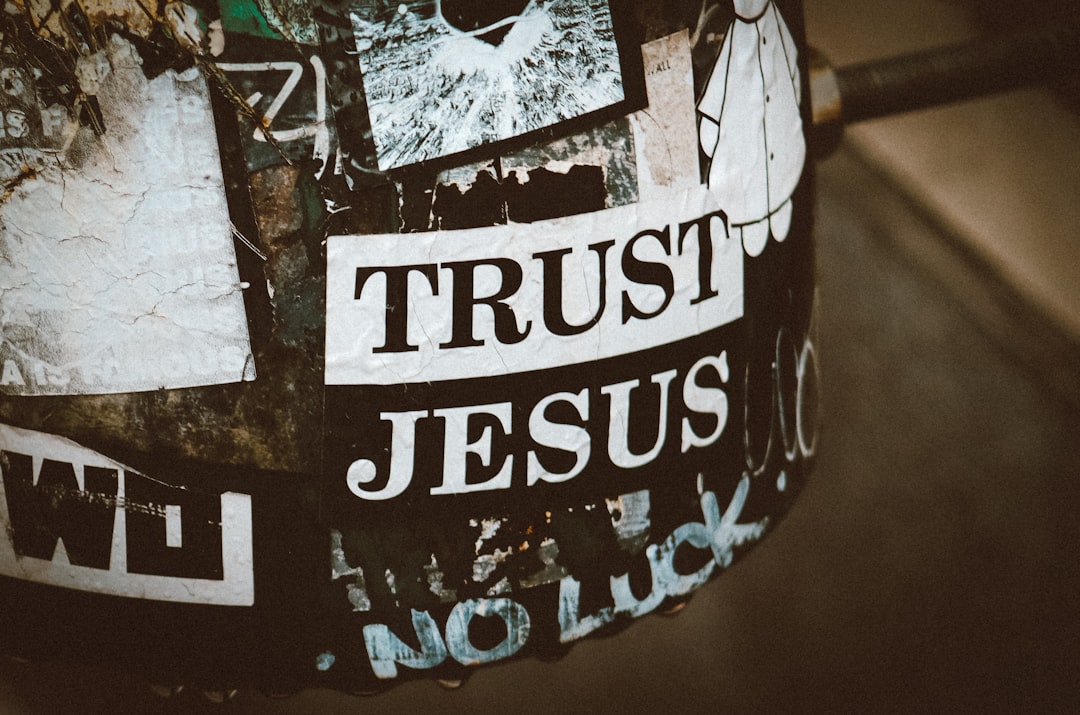
What If My Doubts Are Just a Sign of Weak Faith or a Moral Failing?

What If My Doubts Are Just a Sign of Weak Faith or a Moral Failing?

The quiet, persistent whisper of doubt can feel like a personal betrayal.

Seeds of Doubt

Can I harness doubt to improve my critical thinking skills?

Yes, doubt is the engine of critical thinking. When doubt arises, use it as a trigger to ask: “What is the evidence for this? What are alternative explanations? What are the sources, and what is their bias? What might I be missing?“ Systematically investigating your doubts trains you to evaluate information, identify logical fallacies, and build reasoned conclusions. This turns doubt from a source of anxiety into a practical mental gym.

When is it time to let go of a belief versus working through doubt?

Consider letting go when a belief consistently causes harm to yourself or others, contradicts overwhelming evidence you find credible, or requires you to suspend critical thought to maintain it. Work through doubt if the belief is central to your worldview and the questioning feels like a call to deeper understanding, not an exit. The decision is personal. Letting go can be an act of integrity; persevering can be an act of devotion. Both can be paths to growth.

How do I find mentors or resources that won’t dismiss my doubts?

Look for indicators of intellectual humility: phrases like “that’s a great question,“ or admissions of mystery. Seek scholars or guides known for nuanced thinking. Explore texts from within your tradition that address “dark nights of the soul” or faith crises. Online, seek forums dedicated to thoughtful dialogue, not debate.

How do I navigate doubts about foundational texts or teachings?

Approach them as a student, not a prosecutor. Study historical context, scholarly interpretations, and the lived experience of the tradition. Ask what the core teaching aims to cultivate in a person. Sometimes, doubt points to a literalistic understanding that may be expanded by metaphor, wisdom, or deeper theological principles you haven’t yet encountered.

I fear losing my faith. Can these communities help?

Absolutely. These spaces are designed for those navigating this exact fear. They offer a middle ground between rigid dogma and outright rejection, allowing you to deconstruct beliefs without immediate pressure to rebuild. Hearing others’ similar journeys reduces panic and provides models for integration. The goal isn’t necessarily to “save” or “destroy” your faith, but to give you the tools to examine it honestly, leading to a more authentic personal stance.