
Skip to Content

Navigating Relationships with Conspiracy Believers

The Transformative Power of Shared Doubt in Relationships with Conspiracy Believers

The Transformative Power of Shared Doubt in Relationships with Conspiracy Believers

When someone we love begins to speak of shadowy cabals, manipulated timelines, or secret cures hidden from the public, our first instinct is often to strike back with facts, logic, and evidence.

The Art of Setting Boundaries with Loved Ones Who Believe in Conspiracies

The Art of Setting Boundaries with Loved Ones Who Believe in Conspiracies

When someone you care about falls into the labyrinth of conspiracy thinking, the first instinct is often to argue, to facts-check, to dismantle every false premise with logical precision.

The Doubt That Connects Us

The Doubt That Connects Us

When someone you love begins to spiral into the language of shadowy cabals and grand cover-ups, the first instinct is almost always the same: correct them.
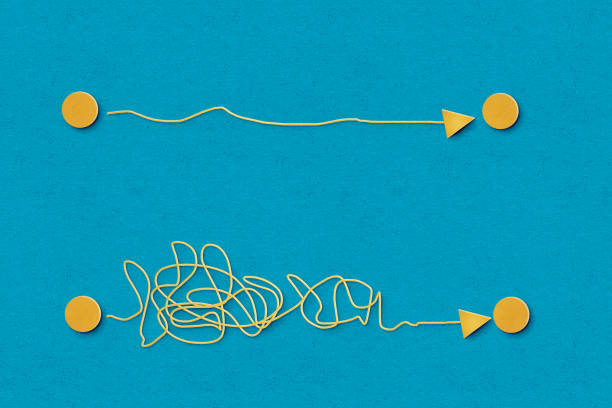
The Unlikely Gift of Doubting Your Own Certainty

The Unlikely Gift of Doubting Your Own Certainty

When someone you love disappears into a gravitational pull of conspiracy, your first instinct is to become the lighthouse.

The Mirror of Doubt: What Your Reactions to Conspiracy Believers Reveal About You

The Mirror of Doubt: What Your Reactions to Conspiracy Believers Reveal About You

When a friend, family member, or colleague announces that a shadowy group controls the weather, or that a viral video proves a secret government experiment, something inside you tightens.

The Hidden Grief in Conspiracy Belief: How to Connect Before You Correct

The Hidden Grief in Conspiracy Belief: How to Connect Before You Correct

When someone you love falls down a rabbit hole of alternative explanations, your first instinct is often to grab the nearest rope of facts and haul them back to solid ground.

The Grace of Unfinished Conversations

The Grace of Unfinished Conversations

When someone you love begins to speak of secret cabals, hidden microchips, or fabricated moon landings, the air changes.

Compassionate Boundaries: Loving Someone Without Adopting Their Beliefs

Compassionate Boundaries: Loving Someone Without Adopting Their Beliefs

When someone you deeply care about falls into the orbit of a conspiracy theory, the ground beneath your relationship shifts.

Finding Common Ground: Shared Values as Bridges with Conspiracy Believers

Finding Common Ground: Shared Values as Bridges with Conspiracy Believers

When someone we love falls down the rabbit hole of conspiracy theories, our first instinct is often to grab them by the shoulders and shake them back to reality.

The Art of Asking Questions Instead of Arguing Facts

The Art of Asking Questions Instead of Arguing Facts

When a loved one begins to speak about hidden cabals, government cover-ups, or secret agendas, the instinctive reaction for most people is to reach for the nearest set of verified facts.

The Art of Socratic Questioning in Conversations with Conspiracy Theorists

The Art of Socratic Questioning in Conversations with Conspiracy Theorists

When a loved one falls down the rabbit hole of a complex conspiracy theory, the instinctive reaction is often to fight fire with fire—to marshal facts, debunk claims, and present a wall of evidence.

The Empathy Imperative: Understanding the Emotional Roots of Conspiracy Belief in Close Relationships

The Empathy Imperative: Understanding the Emotional Roots of Conspiracy Belief in Close Relationships

When a loved one falls down the rabbit hole of conspiracy thinking, the natural instinct is to fight back with facts.

Seeds of Doubt

How can I talk to a loved one who believes in conspiracy theories without starting a fight?

Focus on connection over correction. Approach with curiosity, not confrontation. Ask open-ended questions like “What makes that feel true to you?“ to understand their underlying fears or needs. Validate their emotions without validating the false claim. This maintains the relationship bridge, making them more receptive. Your goal isn’t to “win” the argument but to preserve trust and model critical thinking through compassionate dialogue.

Can I use their doubt as a catalyst for broader critical thinking?

Yes. Affirm the healthy aspect of skepticism—questioning authority is good. Then, gently guide that skill inward. Ask, “How could we apply that same careful questioning to this source or claim?“ Encourage consistency in evidential standards. This harnesses their doubting energy as a tool for more rigorous analysis, potentially building a bridge from conspiratorial thinking to more balanced critical evaluation.

How can I respond to accusations of being “blind” or “brainwashed”?

Avoid a defensive counter-accusation. Respond with humility and curiosity: “I see we’re looking at the same information very differently. I’m trying to understand your perspective.“ You can briefly share your process for evaluating information. This reframes the dynamic from a battle between “enlightened vs. blind” to two people with different methods of seeking truth, reducing the perceived personal attack.

What are effective communication strategies during these conversations?

Use “I” statements (“I feel worried when...“), listen actively to understand the emotion behind the words, and avoid absolute language (“always,“ “never”). Look for “shards of truth”—acknowledge any legitimate concern within the false narrative. Keep conversations brief and focused on feelings and values rather than granular details. This de-escalates conflict and keeps the human connection at the forefront.

When is it time to disengage or distance myself?

Consider distancing if the relationship becomes abusive, the belief leads to harmful actions, or your mental health is severely impacted. Persistent engagement that damages your well-being isn’t required. You can love someone from a distance. Prioritize your safety and peace. Disengagement is not a failure; it’s a legitimate strategy of self-preservation when healthy boundaries cannot be maintained.