Skip to Content

Parenting and Teaching Through Doubt

The Art of Asking Why

The Art of Asking Why

The child’s question “Why is the sky blue?” is often met with a simple scientific answer about light scattering.
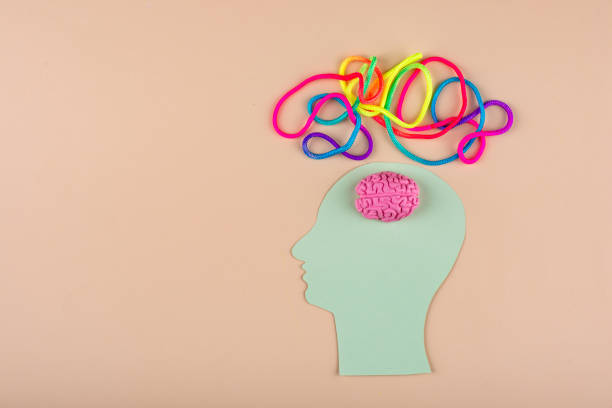
The Gift of “I Don’t Know”: Teaching Children to Embrace Uncertainty

The Gift of “I Don’t Know”: Teaching Children to Embrace Uncertainty

In a world that rewards quick answers and confident certainty, the simple phrase “I don’t know” has become almost taboo among adults, yet it may be the most powerful tool we can offer our children.

Why Are There So Many Different Beliefs?

Why Are There So Many Different Beliefs?

When a child looks up and asks why some families pray to different gods, or why a neighbor celebrates holidays that seem strange, or why a friend’s family does not believe in anything at all, the...
The Gift of Uncertainty: Helping Children See Doubt as a Doorway to Growth

The Gift of Uncertainty: Helping Children See Doubt as a Doorway to Growth

When a child looks up and asks, “But are you sure?” the instinct of many parents and teachers is to rush toward certainty.

Doubt as a Sacred Space: Supporting Teens Through Identity and Faith Crises

Doubt as a Sacred Space: Supporting Teens Through Identity and Faith Crises

The adolescent mind is a crucible.

When Your Child Doubts Their Own Intelligence: Nurturing a Growth Mindset

When Your Child Doubts Their Own Intelligence: Nurturing a Growth Mindset

The moment arrives in nearly every parent’s life: your child stares at a math problem, a drawing, or a simple instruction, and their eyes fill with something deeper than confusion.
The Gift of Uncertainty: Teaching Children to Embrace Not Knowing

The Gift of Uncertainty: Teaching Children to Embrace Not Knowing

Every parent has faced the moment.

The Uncomfortable Question: Why Does God Allow Suffering?

The Uncomfortable Question: Why Does God Allow Suffering?

When a child looks up with eyes that have just witnessed a news report of a natural disaster, a friend’s terminal illness, or the death of a beloved pet, the question lands like a stone dropped into...

Why Welcoming a Child’s ‘Why’ Builds Unshakeable Confidence

Why Welcoming a Child’s ‘Why’ Builds Unshakeable Confidence

Every parent or teacher has heard it: the endless string of “why” questions that can feel exhausting, even irritating, especially when they come at the busiest moments.

Seeds of Doubt

How can we set boundaries to keep a questioning space productive?

Clear, pre-established boundaries prevent safe spaces from becoming platforms for harm. Key boundaries include: requiring civil discourse (no personal attacks), a shared commitment to evidence-based reasoning, and an agreement to distinguish between questioning ideas and attacking individuals’ worth. Facilitators must calmly enforce these rules, redirecting conversations that become abusive or conspiratorial without evidence. This structure paradoxically creates more freedom, as participants know the limits, allowing for vigorous yet respectful exploration within a protected framework.

What’s a simple first step to handle a moment of self-doubt?

Practice “Pause and Name.“ First, pause the spiral of negative thoughts. Take a deep breath. Then, name the doubt specifically: “This is the ’I’m not good enough at math’ doubt,“ or “This is the ’they won’t like me’ doubt.“ This externalizes the feeling, separating it from your core identity. It transforms a vague, overwhelming anxiety into a specific, manageable object you can observe. This simple act of labeling creates the mental space needed to then challenge the doubt with evidence.

How can I tell if my doubt is productive or destructive?

Productive doubt asks, “How can I understand this better?“ It is specific, seeks evidence, and aims for resolution. Destructive doubt whispers, “You will never figure this out.“ It is vague, cyclical, and erodes self-trust. To navigate, channel doubt into actionable questions. Research, discuss, or test your assumptions. If the doubt leads to learning or a clarified stance, it was productive. If it only leads to anxiety without progress, it’s a signal to seek perspective or support.

What’s a practical first step when someone expresses a harmful conspiratorial doubt?

Listen with curiosity, not correction. Ask, “What’s the source of your concern?“ or “What would it take to change your mind?“ This builds rapport and reveals the doubt’s emotional root—often fear or powerlessness. Avoid blunt debunking, which triggers defensiveness. Instead, share your process for evaluating information. The goal is to model critical thinking, not to “win” the immediate argument.

How does understanding doubt combat polarizing “us vs. them” narratives?

“Doubt literacy” reveals that everyone experiences uncertainty; it’s a shared human condition, not a weakness of the “other side.“ By learning to dissect the structure of doubts and beliefs—how they form and why they persist—we move beyond demonizing people to analyzing ideas. This builds empathy and intellectual humility. We start to see polarized groups not as monsters, but as people often driven by similar fears and cognitive biases, making constructive dialogue possible and reducing the instinct to dehumanize those who disagree.