
Skip to Content

Practical Tools for Quieting Your Inner Critic

Can This Process Help with Imposter Syndrome?

Can This Process Help with Imposter Syndrome?

Imposter syndrome, that persistent and gnawing feeling of being a fraud despite evident accomplishments, is a psychological experience that plagues individuals across professions and walks of life.

Navigating Uncertainty: A Guide to Handling Doubt About Your Biggest Goals

Navigating Uncertainty: A Guide to Handling Doubt About Your Biggest Goals

Doubt is the silent companion of every ambitious endeavor.

The Art of Balanced Alternative Thought: A Guide to Clearer Thinking

The Art of Balanced Alternative Thought: A Guide to Clearer Thinking

In a world saturated with polarized opinions and rapid-fire judgments, the ability to form a “balanced alternative thought” is a cornerstone of genuine critical thinking and emotional resilience.
The Collective Compass: How Community Guides Us Through Self-Doubt

The Collective Compass: How Community Guides Us Through Self-Doubt

Self-doubt is a universal human experience, a whispering voice that questions our capabilities and worth.

The Unlikely Engine of Progress: How Doubt Fuels True Growth

The Unlikely Engine of Progress: How Doubt Fuels True Growth

Doubt is often cast as the antagonist in our personal and collective narratives, a shadowy figure that undermines confidence and paralyzes action.

When to Heed Your Doubt: The Wisdom of Listening to Inner Uncertainty

When to Heed Your Doubt: The Wisdom of Listening to Inner Uncertainty

Doubt is often cast as the antagonist in our personal narratives of ambition and growth, a shadow to be dispelled by the bright light of affirmation.

The Gentle Anchor: How Self-Compassion Steadies Us Amidst Doubt

The Gentle Anchor: How Self-Compassion Steadies Us Amidst Doubt

Doubt about our deepest beliefs and worldview is an unsettling, often frightening, experience.
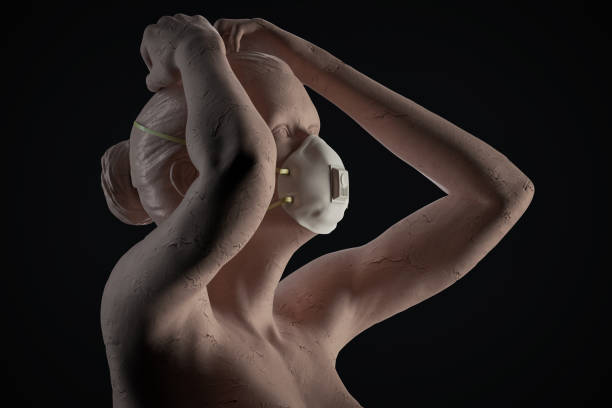
The Harmonious Pursuit: Balancing Self-Compassion with High Standards

The Harmonious Pursuit: Balancing Self-Compassion with High Standards

The drive to excel is a powerful engine for achievement, propelling us toward mastery and meaningful goals.

How Questioning Conspiracy Theories Can Sharpen Your Critical Thinking

How Questioning Conspiracy Theories Can Sharpen Your Critical Thinking

In an age of information overload, where sensational claims can spread globally in seconds, the ability to think critically is not just an academic skill but a necessary life raft.

Building an Unshakeable Core: A Guide to Long-Term Resilience Against Doubt

Building an Unshakeable Core: A Guide to Long-Term Resilience Against Doubt

Doubt is an inevitable companion on any meaningful journey, whispering of inadequacy and forecasting failure.
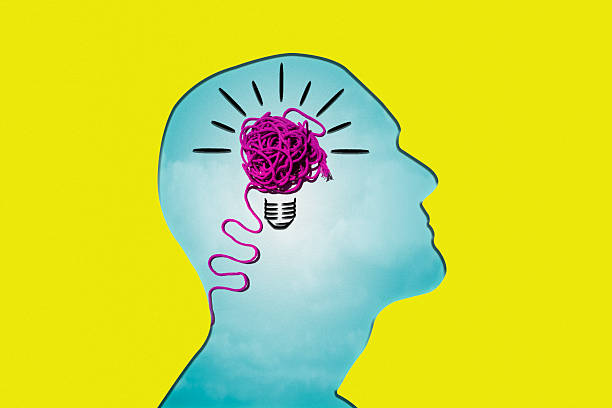
How Challenging Thoughts Forges Unbreakable Long-Term Resilience

How Challenging Thoughts Forges Unbreakable Long-Term Resilience

Resilience is often mischaracterized as a kind of emotional armor, a passive toughness that allows individuals to simply withstand life’s adversities.

Seeds of Doubt

How can I tell if my doubt is protective intuition or limiting fear?

Protective intuition feels like a clear, calm signal often about external situations, prompting cautious investigation. Limiting fear is a loud, internal narrative focused on your own inadequacy, screaming “you can’t” or “you’ll fail.“ Test it: does the doubt point to a specific, actionable step for safety, or does it simply halt all progress? Intuitively, it guides; fear paralyzes. Learning to distinguish this whisper from the shout is crucial for moving forward with both wisdom and courage.

Can affirmations help with doubting external information, like news or conspiracy theories?

Yes, by affirming your process, not an outcome. Use affirmations to strengthen your critical thinking muscles. Try: “I seek out multiple credible sources,“ “I question information that confirms my biases,“ or “I embrace complexity without needing immediate certainty.“ This redirects the energy of doubt from paralyzing suspicion into a structured, healthy investigative habit. You affirm your role as an engaged, discerning participant, not a passive consumer or a cynical rejector of all information.

I don’t feel deserving of compassion. How do I start?

Start with the understanding that self-compassion is a practice, not a reward for being “good enough.“ You don’t earn it; it’s a fundamental tool for well-being. Begin with small, manageable actions: place a hand on your heart and acknowledge your pain, or use a gentle phrase like “This is a moment of suffering.“ You are practicing a skill, not granting a pardon. The feeling of worthiness often follows the action.

Can questioning conspiracy theories improve my critical thinking?

Absolutely. Analyzing conspiracy theories is a masterclass in source evaluation, logical fallacy spotting, and emotional manipulation detection. Instead of outright dismissal, ask: “What is the primary claim? What evidence is provided, and what is its source? What alternative explanations exist?“ This process strengthens the very muscles needed for healthy skepticism in all life areas. We turn the extreme example into a gym for your discernment, building immunity to all forms of manipulative doubt.

Is it normal for doubt to resurface even after practicing affirmations?

Absolutely. Doubt is not a virus to be eradicated but a mental muscle that flexes. Its return doesn’t mean failure; it’s an opportunity to strengthen your new narrative. When old doubt resurfaces, thank it for its input, then consciously reaffirm your chosen path with your updated, evidence-backed affirmation. This process of return-and-redirect is where neural pathways are actually rebuilt. Consistency in this practice builds resilience, not a doubt-free life.