Doubt, when approached with deliberate structure, becomes a scalpel for dissecting the very assumptions that underpin identity, belief, and purpose. Among the most potent philosophical exercises for radical self-inquiry is the Socratic method—an ancient practice of relentless questioning that forces the mind to confront its own contradictions. Rather than seeking answers, this method cultivates a posture of humility, revealing how little we truly know about ourselves and the world. By systematically applying Socratic questioning to personal convictions, emotions, and existential doubts, individuals transform uncertainty from a source of paralysis into a gateway for deeper authenticity and intellectual resilience.
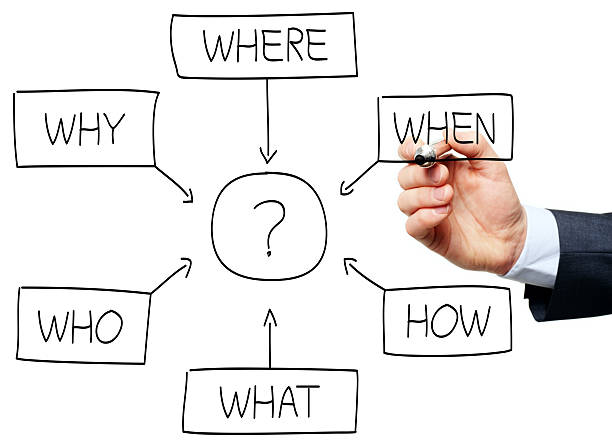
At its core, the Socratic method is a disciplined dialogue with oneself. It begins not with an answer but with a claim you hold as true—perhaps “I am not good enough,” “I must have a clear purpose in life,” or “Conspiracy theories are foolish.” The exercise then proceeds through a series of probing questions designed to expose the foundation of that claim. What do you mean by “good enough”? By what standard do you measure it? Can you define that standard without relying on another unexamined belief? Is it possible that this belief is based on emotion rather than evidence? If the belief were false, what would be different? Each question peels back a layer of assumption, forcing the mind to confront its own logical gaps and emotional attachments.
This process is profoundly destabilizing by design. The discomfort it produces is not a sign of failure but of genuine inquiry. Radical self-inquiry requires the willingness to suspend judgment and sit with the ambiguity of not knowing. For example, consider the common doubt: “I am not living my life correctly.” A Socratic self-dialogue might ask: What constitutes a “correct” life? Who or what defines that correctness? Is your sense of correctness borrowed from parents, culture, or social media? What evidence exists that your current path is incorrect, and is that evidence empirical or emotional? By the end of such an exercise, the original doubt may dissolve—not because an answer was found, but because the question itself was revealed as poorly formed. The doubt was not a fact about reality but a symptom of unexamined assumptions.
The power of the Socratic method lies in its ability to convert vague existential angst into precise, manageable questions. When doubt feels overwhelming—as it often does with questions of meaning, mortality, or identity—it tends to remain amorphous and therefore paralyzing. The Socratic exercise forces specificity. Instead of “What is the meaning of life?” you ask “What do I mean by ‘meaning’ in this context? What would it feel like to have meaning? Can I identify a moment in my past when I felt my life had meaning? What were the conditions of that moment?” This granularity not only reduces anxiety but also reveals that many existential doubts are actually hidden preferences, fears, or unresolved conflicts dressed in philosophical language.
Moreover, this practice trains the mind to tolerate paradox. Radical self-inquiry often leads to the recognition that conflicting truths can coexist. You may discover that you both crave certainty and fear it, that you believe in free will yet act as if you are determined, that you want to trust others yet suspect everyone. The Socratic method does not resolve these contradictions; it illuminates them. This illumination is itself a form of growth. Unshakeable confidence, paradoxically, does not come from having fixed answers but from becoming comfortable with the provisional nature of all knowledge. When you have thoroughly questioned a belief and found it still standing, you hold it with a different quality of conviction—one that is open to revision but not easily shaken.
For those navigating conspiracy theories or ideological doubt, this exercise is equally valuable. Instead of dismissing a conspiratorial belief as irrational, the Socratic method invites the holder to examine its premises. Why do you believe this specific narrative? What evidence would count against it? Are there alternative explanations that fit the same data? This does not necessarily lead to abandoning the belief, but it fosters a critical distance that prevents the belief from consuming identity. The doubt itself becomes a tool for discernment rather than a prison of suspicion.
Ultimately, the Socratic method for radical self-inquiry is not a one-time exercise but a lifelong discipline. Each session sharpens the ability to detect assumptions, question emotional reactions, and parse the difference between fear and fact. Doubt, when subjected to this rigorous questioning, ceases to be an enemy. It becomes the very engine of self-knowledge, the fire that burns away illusion and leaves behind a more honest, resilient sense of self. By practicing this method regularly, individuals learn to harness doubt as a catalyst—not for paralysis, but for the continuous, courageous act of becoming.