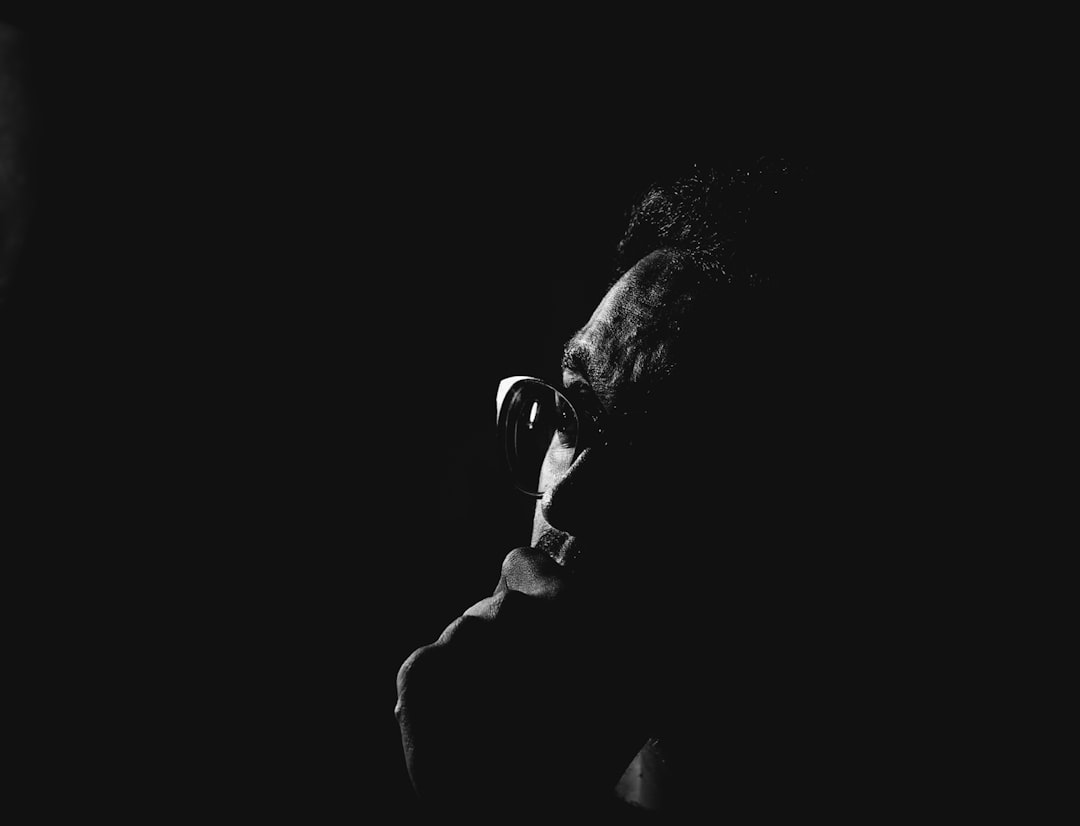
Few voices speak as loudly or as relentlessly as the one that tells you that you are not enough. It wakes with you, critiques your breakfast choices, whispers during meetings, and delivers a comprehensive verdict on every mistake before you even close your eyes at night. This inner critic often masquerades as a tough-love coach, but its methods are those of a bully. The pathway to quieting it does not lie in arguing back or drowning it with forced positivity. It lies in a single, repeatable gesture: the soft correction. This is the daily act of meeting your own flaw with the same tenderness you would offer a frightened friend. It is not indulgence; it is reprogramming. And it works because it changes the very structure of how you relate to failure.
The soft correction begins with noticing. The moment you catch yourself using the second-person pronoun of judgment—“you idiot,“ “you always mess up,“ “you will never succeed”—you pause. This pause is not a meditation bell or a ten-minute retreat. It is a breath, long enough to create a sliver of space between the event and your reaction. In that space, you insert the first truth: harshness is a habit, not a fact. You then replace the accusation with a precise, compassionate observation. Instead of “I blew everything,“ you say, “I made a mistake in the presentation. That is painful. I care about my work, which is why this hurts.“ This sentence does three things. It acknowledges reality without exaggerating. It validates the emotion without wallowing. And it reframes the mistake as evidence of investment, not inadequacy.
This daily practice requires a ritual anchor. It cannot remain an abstract idea drifting through your head. Choose a regular moment—perhaps right after you get out of bed, or immediately after you return home from work—and commit to a ninety-second check-in. You ask yourself: What did I criticize myself for in the past twenty-four hours? You then write that criticism down, not to dwell on it, but to transform it. The transformation follows a three-step formula. First, name the feeling: “I felt embarrassed.“ Second, acknowledge the shared human experience of imperfection: “Every person makes errors like this.“ Third, speak to yourself as you would to a colleague: “Given the pressure you were under, what allowed it to make sense that you missed that detail?“ This is not an excuse. It is a contextual understanding that shifts your internal monologue from a judge’s gavel to a scientist’s inquiry.
Many people resist this practice because they fear it will make them lazy. They believe self-criticism is the engine of achievement. Yet research on motivation shows the opposite. When people respond to failure with self-compassion, they show greater persistence, higher accountability, and less fear of future setbacks. The inner critic uses shame as a fuel, but shame burns fast and leaves ash. Self-compassion uses awareness as a fuel, which burns slow and steady. The soft correction is not a reward for failure; it is a recalibration of your baseline. You are not saying “it’s fine” to a genuine shortcoming. You are saying “I see this, and I am still on my own side.“ That stance makes it far more likely that you will repair, learn, and try again.
To embed this practice, pair it with a physical cue. Place your hand over your heart when you catch a critical thought. The warmth and pressure of your palm act as a somatic reminder of your own presence. You can also adopt a phrase, such as “This is hard. I am allowed to struggle.“ Use it in the bathroom mirror or under your breath during traffic. The repetition is the key. Neural pathways grow from frequency, not intensity. A single compassionate lecture to yourself on a bad day does little. But three hundred tiny soft corrections, practiced daily, begin to overwrite the old tape. Over time, the inner critic loses its monopoly. It becomes one voice among many, and you learn to choose which one to amplify.
The deeper effect of this practice is not merely a quieter mind. It is a radical change in your relationship with doubt. Doubt becomes not an enemy but a signal. When you no longer treat your own mistakes as evidence of worthlessness, you can examine them with curiosity. Why did I hesitate? What fear drove that reaction? This turns the inner critic from a tyrant into a useful informant. You begin to hear the critical voice as an anxious part of yourself asking for reassurance, not as an authority demanding punishment. Reassurance comes from the soft correction. You say to that anxious part, “I know you are trying to protect me. But we are safe. Let us look at this together.“ That conversation is the heart of true confidence—not the absence of doubt, but the ability to hold doubt without being owned by it.
Tonight, before you sleep, try a final soft correction. Think of the most painful self-judgment you repeated today. Then rewrite that sentence as if you were talking to someone you deeply love. Notice the shift in your voice, your breathing, your chest. This is not denial. This is the work of a lifetime. The inner critic will never vanish completely. It will simply lose its power over you, one gentle reboot at a time. That is the promise of the soft correction: not a life without failure, but a life where failure becomes a coach instead of a cage.