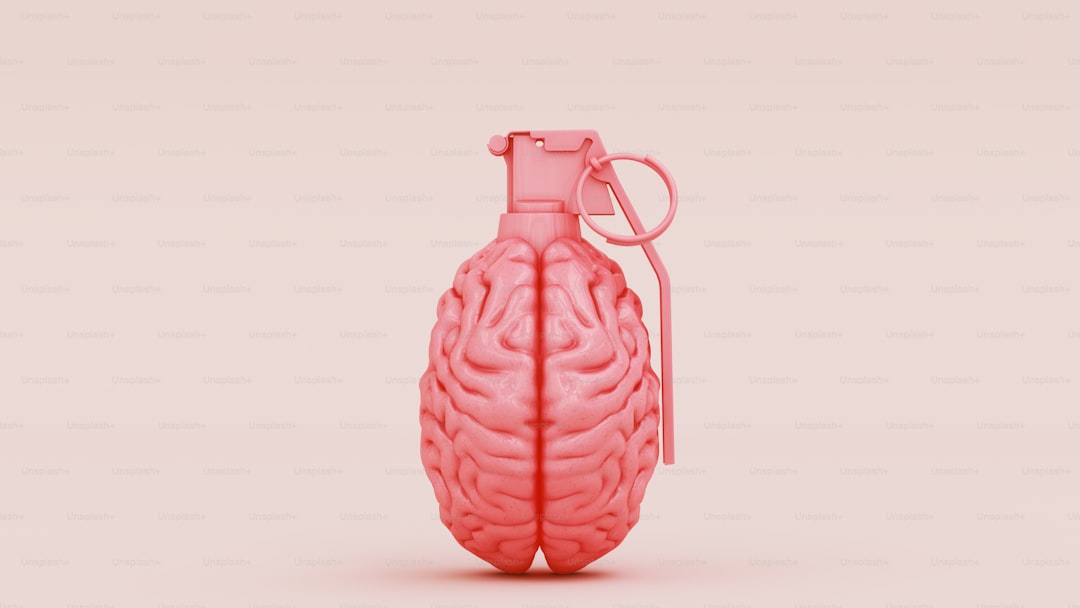
The noise of the crowd fades into a single, thrumming heartbeat. For the underdog, this is the moment when doubt crystallizes into something else entirely. The weight of expectation, the disbelief of onlookers, the litany of past failures—all of it compresses into a single point of pressure. Conventional wisdom suggests that pressure crushes, that it bends the spine and splinters resolve. Yet for those who have learned to see it differently, pressure does not break; it reveals. To embrace pressure as a privilege is to understand that the very force which threatens to drown you can become the current that carries you beyond every limitation.
The underdog’s journey begins not with an absence of doubt but with an abundance of it. Doubt from the outside, doubt from within, doubt that whispers that the odds are too steep, the talent too thin, the timing all wrong. Most people mistake this feeling for a signal to retreat, to protect the fragile self from potential humiliation. They do not realize that doubt is not the enemy of confidence but its raw material. Doubt is the friction that sharpens the blade. Without it, there is no edge. The underdog who accepts doubt as a partner rather than an adversary unlocks a strange alchemy: the very uncertainty that scares others becomes a source of hyperfocus.
Consider the athlete who has been written off, the entrepreneur laughed out of boardrooms, the artist whose work is called naive. Each refuses to waste energy denying the pressure or pretending it does not exist. Instead, they turn toward it. They learn to read the weight of expectation as a compass. When the pressure mounts, the underdog does not try to relax; they let the tension heighten every sense, sharpen every instinct, and quiet the noise of irrelevant thoughts. The body knows how to perform under load. Muscles awaken, reflexes quicken, and the mind drops into a state of flow that no amount of comfort can produce. This is the secret that the privileged, the favorites, the anointed often miss: the safety of being expected to win is a kind of trap. It breeds complacency. The underdog, by contrast, gets to step into the arena with nothing to lose and everything to prove.
This mindset does not come naturally. It must be forged in the small fires of daily practice. The underdog learns to seek out pressure, to court it, to treat every high-stakes moment as a laboratory for growth. A missed shot in a big game, a rejected pitch, a public failure—these are not disasters but data points. Each one teaches the underdog how to stand straighter when the wind is strongest. Soon, pressure becomes familiar. It becomes a friend whose arrival signals that something important is about to happen. The body no longer tenses with fear but with anticipation. The doubt that once paralyzed now accelerates.
The most profound transformation occurs when the underdog realizes that pressure is not an external force but an internal choice. Two people can face the same situation, the same odds, the same crowd. One feels crushed, the other elevated. The difference lies in the story they tell themselves about the weight. The underdog reframes the narrative: this pressure is a sign that I am exactly where I need to be, that the stakes are high because the opportunity is real, that the doubt I feel is merely the shadow of possibility. Instead of resisting the pressure, they ride it, using the surge of adrenaline to push past old limits.
History is filled with underdogs who turned pressure into a weapon. From the runner who breaks a world record while everyone expects them to fail, to the activist who stands alone against an indifferent system, to the inventor who keeps prototyping after a hundred rejections—each understands that pressure is not something to endure but something to welcome. It is the crucible that burns away the unnecessary and leaves only what matters. The underdog who embraces this truth no longer waits for doubt to disappear. They use doubt as fuel, pressure as a permission slip to be fully alive.
In the end, the underdog’s greatest victory is not the trophy or the headline. It is the realization that the very force meant to hold them down could instead lift them higher. To embrace pressure as a privilege is to stop asking whether you are good enough and start asking what you can become when everything is on the line. Doubt does not vanish, but it ceases to matter. What remains is the quiet, unshakeable certainty that you were built for exactly this moment.