The question arrives without warning, often at the most mundane moments—during a car ride, over cereal, or while tucking in at bedtime. A child looks up with wide, earnest eyes and asks: “If God loves us, why did Grandma die?” Or “Why did that baby get sick?” Or “Why do bad things happen to good people?” For parents and teachers who hold religious or spiritual beliefs, this moment can feel like a trap. The instinct is to provide a tidy answer, to soothe the child’s anxiety, to protect their innocence. But the deepest service we can offer in that moment is not a polished theology; it is the courage to sit with the question itself, and to teach that doubt is not the enemy of faith but its most honest companion.
When a child voices doubt about why suffering exists, they are not rejecting belief. They are exercising a natural, healthy impulse to make sense of a world that feels unfair. Think of doubt as the mind’s immune system—it questions contradictions, tests assumptions, and in doing so strengthens what is true. If we shut down the inquiry with platitudes like “everything happens for a reason” or “God has a plan,” we risk teaching children that their confusion is inappropriate, that they should not ask hard questions, and that blind acceptance is more virtuous than honest seeking. Over time, this can erode their ability to think critically about any belief system, religious or secular.
Instead, we can respond by first validating the question itself. “That is such a good question. I have wondered about that too.” This simple admission does two things: it normalizes doubt as part of a thoughtful life, and it positions the adult as a fellow traveler rather than an authority who has all the answers. From this shared ground, we can explore the terrain of mystery together. We might say, “I don’t know exactly why some people suffer and others don’t, but I know that it hurts, and it is okay to be sad and confused.” This models emotional honesty and intellectual humility, both of which are foundational to mature belief.
The next step is to guide the child toward the distinction between certainty and trust. Certainty demands that we have all the facts; trust is a willingness to hold uncertainty while still choosing to love and hope. In the context of parenting through doubt, we can explain that many wise people throughout history have wrestled with this same question. Some believe that suffering is a test, others that it is a consequence of free will, and still others that it is simply a part of being alive in a complex world. The child does not need to pick one answer; they need permission to wonder, to question, and to grow into their own understanding over time.
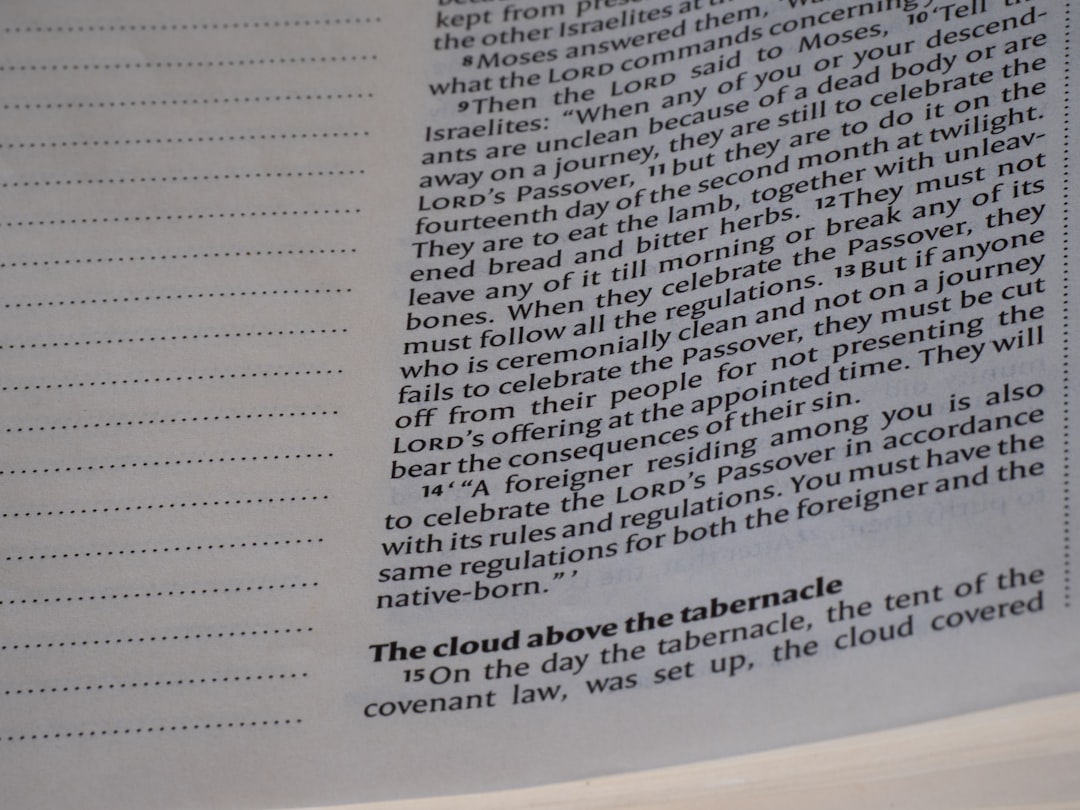
For parents who hold specific religious beliefs, it is helpful to frame doubt within the tradition itself. The Bible is full of doubters—Job, who questioned God’s justice; the psalmists who cried out “Why have you forsaken me?”; Thomas, who needed to see the wounds to believe. Far from being punished, these figures are held up as honest seekers. By pointing to these stories, we show children that doubt has a place inside faith, not outside it. We can say, “Even people in our holy book asked hard questions. Asking questions is part of being in relationship with God.”
Teaching through doubt also means allowing the child to sit with discomfort. When a child asks why their classmate’s parent got cancer, we might be tempted to divert to a safer topic. But avoidance communicates that the question is too dangerous to explore. Better to say, “I don’t have an answer that makes it okay, but I can be with you while you feel sad about it.” This kind of response builds resilience and emotional intelligence. It teaches that life does not come with guarantees, but that love and presence are constants that can weather uncertainty.
As the child grows, these early conversations about suffering become the bedrock of critical thinking. They learn that it is acceptable to challenge authority, to hold two opposing ideas in mind, and to revise their beliefs in light of new experience. These skills are not only useful for religious questions; they are essential for navigating conspiracy theories, media manipulation, and political polarization later in life. A child who was taught to doubt thoughtfully will be less likely to accept simplistic answers or fall for charismatic falsehoods. They will know that truth is often messy, and that the courage to say “I don’t know” is a sign of strength, not weakness.
Finally, we must remember that our own relationship with doubt is the most powerful lesson we teach. If we are afraid of uncertainty, our children will be afraid too. If we treat doubt as a shameful secret, they will hide their questions. But if we embrace doubt as a catalyst for growth, they will learn to do the same. The next time a child asks why bad things happen, take a breath. Resist the urge to fix it. Instead, sit down beside them, look them in the eye, and say, “Let’s wonder about that together. What do you think?” In that moment, you are not just answering a question. You are teaching a way of being in the world—curious, humble, and unshakeable in the only thing that truly matters: the commitment to keep seeking, together.