

Embracing Pressure as a Privilege: The Underdog’s Path to Victory
When the clock ticks down and every eye in the arena locks onto you, the stomach drops, the palms sweat, and the mind floods with a single, paralyzing thought: Don’t screw this up.

The Silent Saboteur: How Self-Doubt Masquerades as Intuition and Fear
Every decision we face arrives wrapped in a haze of internal signals.

The Dance of Certainty and Uncertainty: Embracing Doubt as a Tool for Deeper Connection
In the landscape of personal partnerships, doubt is often cast as the villain—a shadowy figure that creeps into the quiet moments between shared laughter and whispered promises.

The Value of Uncertainty: Why Admitting ’I Don’t Know’ Builds Critical Thinkers
In a world that demands quick answers and confident declarations, the simple phrase “I don’t know” has become almost taboo, especially for parents and teachers.
The Socratic Method: How Ancient Doubt Forged Unshakeable Wisdom
The most dangerous man in ancient Athens asked only questions.

How Logical Fallacies Enable Conspiracy Theories and How to Counter Them
The most effective conspiracy theories rarely rely on facts.
The Tyranny of Perfect Knowledge: Why Decisiveness Requires Embracing Uncertainty
The questioner’s identity is a double-edged sword.

From Hypothesis to Certainty: How the Scientific Method Transforms Doubt into Discovery
Doubt is often treated as an enemy of confidence, yet within the framework of the scientific method it becomes the engine of clarity.

The Texas Sharpshooter Fallacy: How JFK Assassination Conspiracy Theories Misuse Coincidence
The Texas Sharpshooter Fallacy is one of the most insidious logical errors that plague alternative narratives, and few conspiracy theories illustrate it more vividly than those surrounding the...
The Questioner’s Dilemma: When Asking ’Why’ Stops You from Moving Forward
The very trait that defines a healthy questioner—an insatiable curiosity, a refusal to accept easy answers—can become the source of its own paralysis.
The Paradox of Certainty: Why Admitting Doubt Strengthens Relationships
The instinct to project certainty in a relationship is almost primal.

The Strategic Value of Framing Doubt as Curiosity in Relationships
In the landscape of intimate partnerships, few moments feel as precarious as the instant when uncertainty surfaces.

The Strength of Standing Apart: Doubt as a Shield Against Groupthink
The human longing for belonging is one of our most powerful drives.

The Underdog’s Secret Weapon: How Mental Imagery Rewires Neural Pathways for Confidence
Every underdog knows the familiar ache of self-doubt.

The Art of Asking “Why” Without Undermining Authority: Modeling Healthy Skepticism at Home
Every parent has faced the moment.
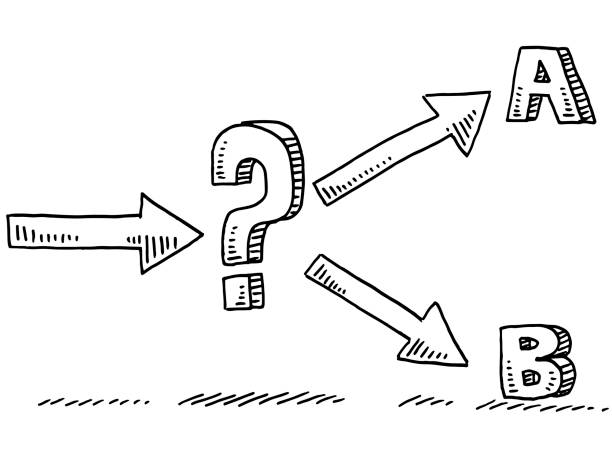
Can We Know Ourselves? Socratic Questioning and the Paradox of Self-Knowledge
The ancient inscription at the Temple of Apollo in Delphi commanded, “Know thyself.” For centuries, this maxim has been held as the ultimate goal of philosophical inquiry, the foundation of wisdom...

The Art of Noticing: How Mindfulness Diffuses the Inner Critic’s Power
When the inner critic speaks, it rarely announces itself with a gentle tap on the shoulder.

The Psychology of Pattern Recognition: How Our Brain Can Lead Us from Healthy Skepticism to Conspiracy Beliefs
The human brain is a pattern-seeking machine.
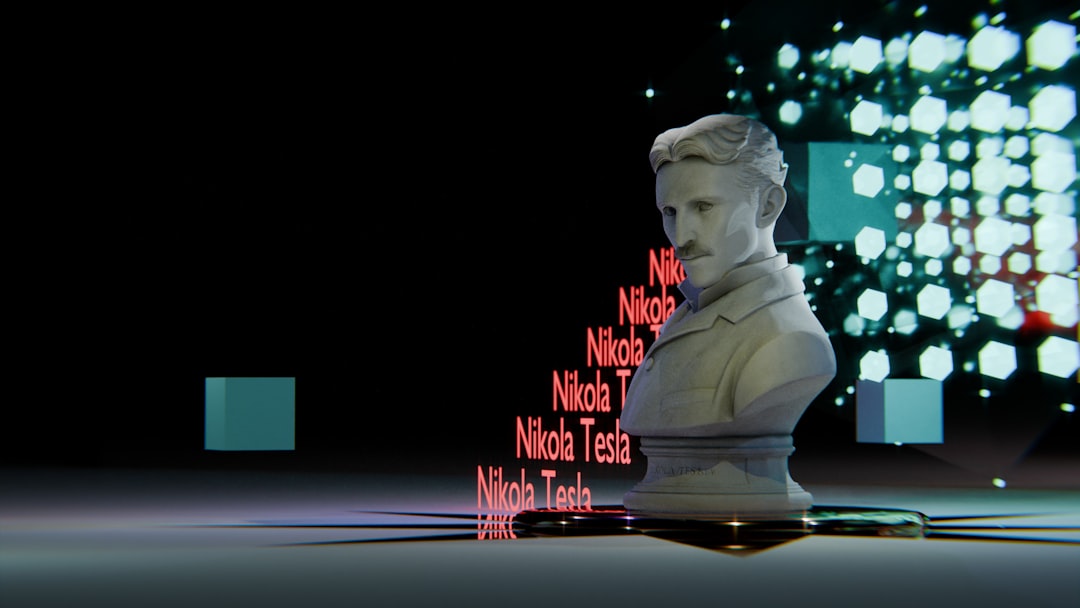
The Proving Ground of Being Misunderstood: How Inventors Turn Public Doubt into Breakthroughs
When Nikola Tesla first presented his idea for alternating current, the scientific establishment laughed.

The Art of Saying “I Don’t Know” in a Relationship
The most terrifying three words in any relationship are not “I love you” or even “It’s over.” They are “I don’t know.” We have been conditioned to believe that certainty is the currency of trust...
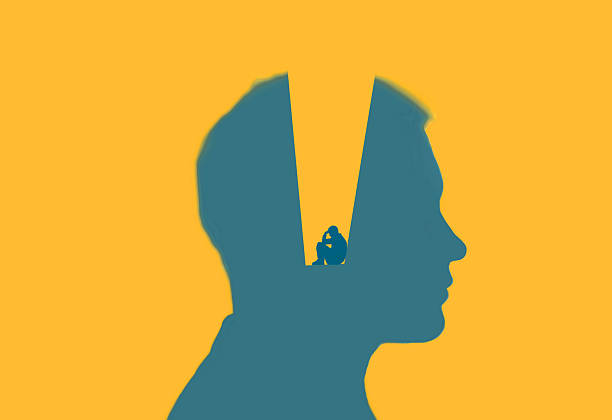
The Art of Thriving in the Crucible: How Underdogs Turn Pressure into Performance
When the stadium lights flicker on and the weight of a thousand eyes settles across your shoulders, the air itself seems to thicken.
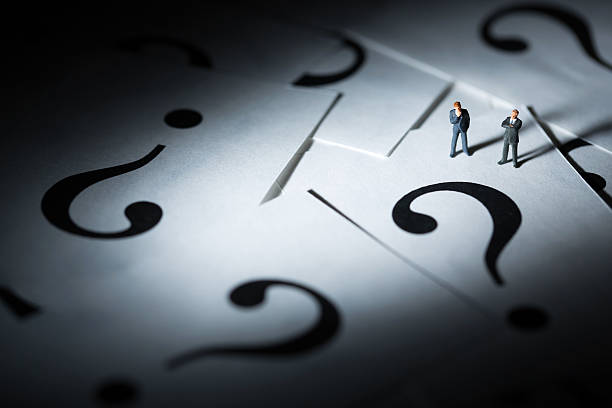
Leading Through Uncertainty: How Your Own Doubt Can Strengthen Your Team
The conventional image of a leader is that of unwavering certainty, a person who stands firm in conviction and projects absolute confidence even in the face of ambiguity.
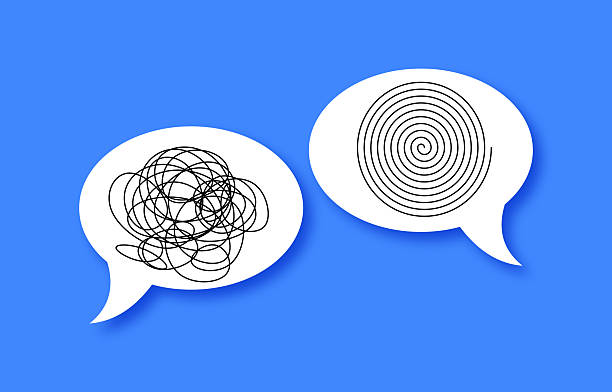
The Architecture of Attention: How Mindfulness Rebuilds Your Relationship with Self-Doubt
The inner critic rarely announces itself with a fanfare.