
The Power of Professional Vulnerability: Using Doubt to Forge Trust
In most workplaces, doubt is treated as an enemy.
The Beat Generation: Doubt as the Engine of Authenticity
In the gray dawn of the 1950s, when America wrapped itself in the comfortable blanket of postwar conformity, the Beat Generation arose not as a movement of answers, but as a raw, unflinching embrace of doubt.

When Your Child Questions the Existence of God: A Guide for Parents
The question arrives without warning, often at the most mundane moment—over breakfast cereal or during a car ride to soccer practice.

The Unseen Triad: Differentiating Fear, Intuition, and Self-Doubt
A familiar tension coils in your chest as you stand at a crossroads.

The Fourth Official: How Being Overlooked Fuels Unshakeable Confidence
Every underdog knows the specific sting of being the one no one expects to matter.
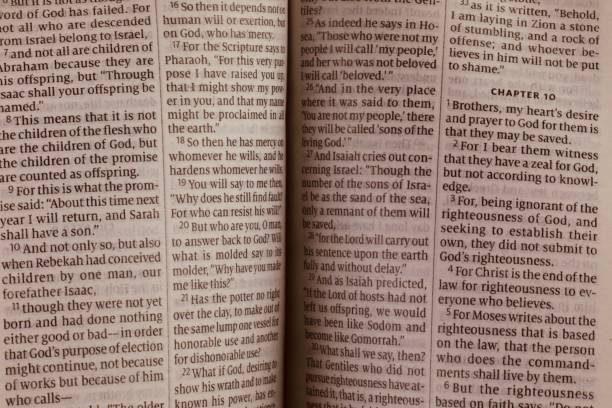
The Role of Sacred Texts: Infallible Guide or Living Conversation?
For centuries, sacred texts have served as the bedrock of faith traditions, offering believers a fixed point of reference in a shifting world.
The Underdog’s Secret Weapon: Visualization as a Tool to Overcome Self-Doubt and Achieve the Impossible
For the underdog, doubt is not an occasional visitor but a permanent resident.
The Epistemological Foundation of Doubt: Descartes’ Meditations and the Birth of Modern Skepticism
To doubt is to stand at the edge of certainty, peering into an abyss where everything we once believed might dissolve.
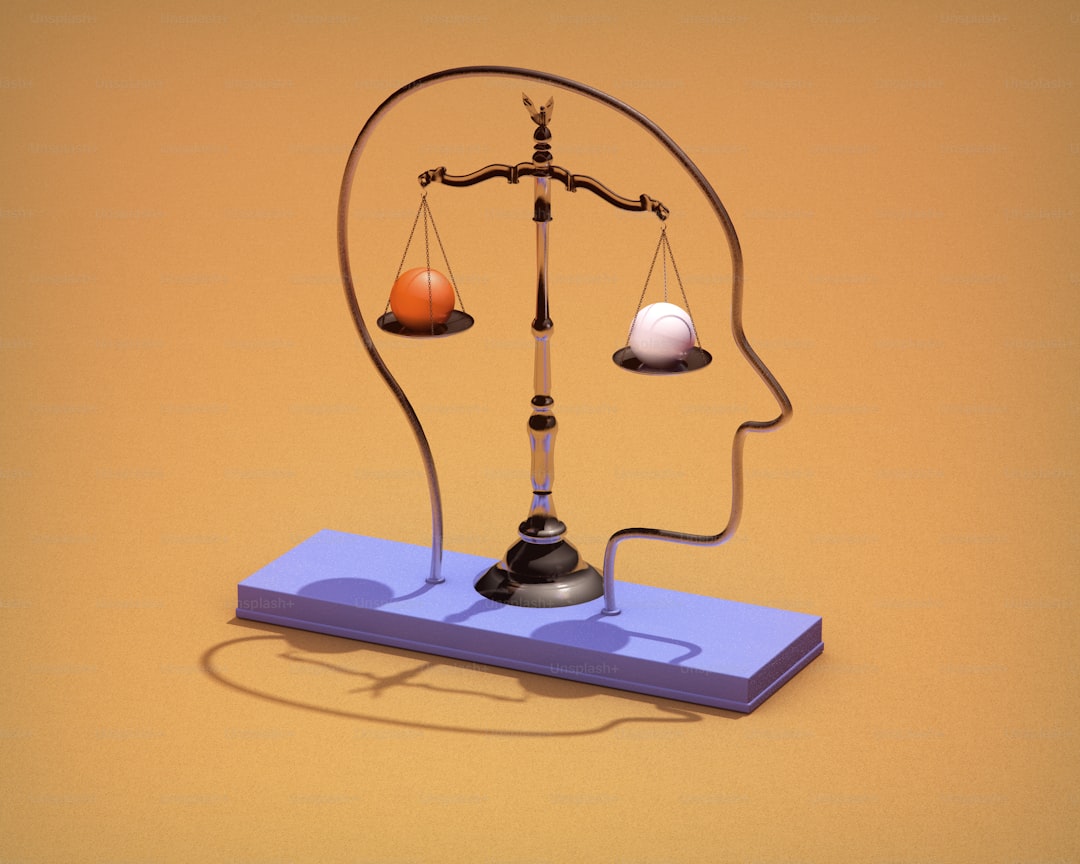
Why Do We Seek Certainty? Using Socratic Questioning to Examine Our Need for Absolute Answers
The human mind craves solid ground.

The Gift of Uncertainty: Teaching Children to Embrace Doubt as a Learning Tool
Every parent has faced the moment: a child looks up with wide eyes and asks, “But how do you really know?” It can be unsettling when a seven-year-old questions the existence of gravity, the...

The Paradox of Leaving Certainty: How the Fear of a Wasted Past Blocks Your Future
There is a peculiar kind of doubt that arrives not at the beginning of a career crisis, but at the precipice of a decision.
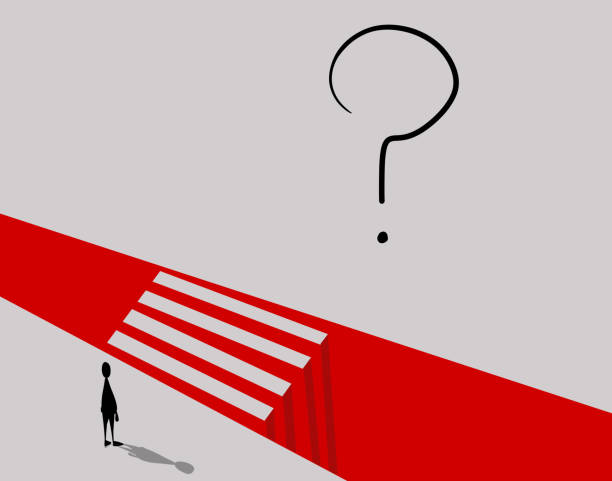
The Trap of Social Comparison: Unmasking a Primary Self-Doubt Trigger
Every human mind is wired for comparison.

The Erased Legacy of the Library of Alexandria: Reexamining the Myth of Its Destruction
Few images in Western historical consciousness carry more symbolic weight than the burning of the Library of Alexandria.

The Power of Naming the Gap: Articulating Unlabeled Doubt
There is a particular kind of silence that settles into a relationship long before any argument begins.

Pyrrhonian Skepticism: The Original Practice of Doubt as a Way of Life
In an age saturated with absolute claims, algorithmic certainties, and the relentless pressure to have a fixed opinion on everything, the ancient philosophy of Pyrrhonian skepticism emerges as a radical antidote.

The Underdog’s Secret Weapon: Visualization to Overcome Impostor Syndrome and Rewire the Brain
Every underdog knows the sting of doubt.

The Art of Productive Doubt: How Questioning Your Certainties Builds Resilience
In a culture that often worships unwavering conviction, doubt is frequently cast as an enemy.
The Socratic Paradox: How Embracing Doubt Forged the First Critical Thinker
In the bustling agora of ancient Athens, a peculiar figure wandered among merchants, politicians, and poets, asking questions that unsettled the very foundations of their certainty.

The Importance of Including “Wrong” Books in Your Doubt Library
A personal library of doubt resources is not a collection of easy answers, nor a shrine to correctness.

Reading Red Flags Without Reading Too Much: A Guide to Discernment in Relationships
Every relationship exists in a constant tension between vulnerability and self-protection.

The Spotlight Effect and Self-Doubt: How Overestimating Others’ Attention Fuels Cognitive Distortions
When you walk into a room and feel certain that every eye is on you, or when you replay a minor mistake for days, convinced that everyone noticed and judged you, you are experiencing a cognitive...
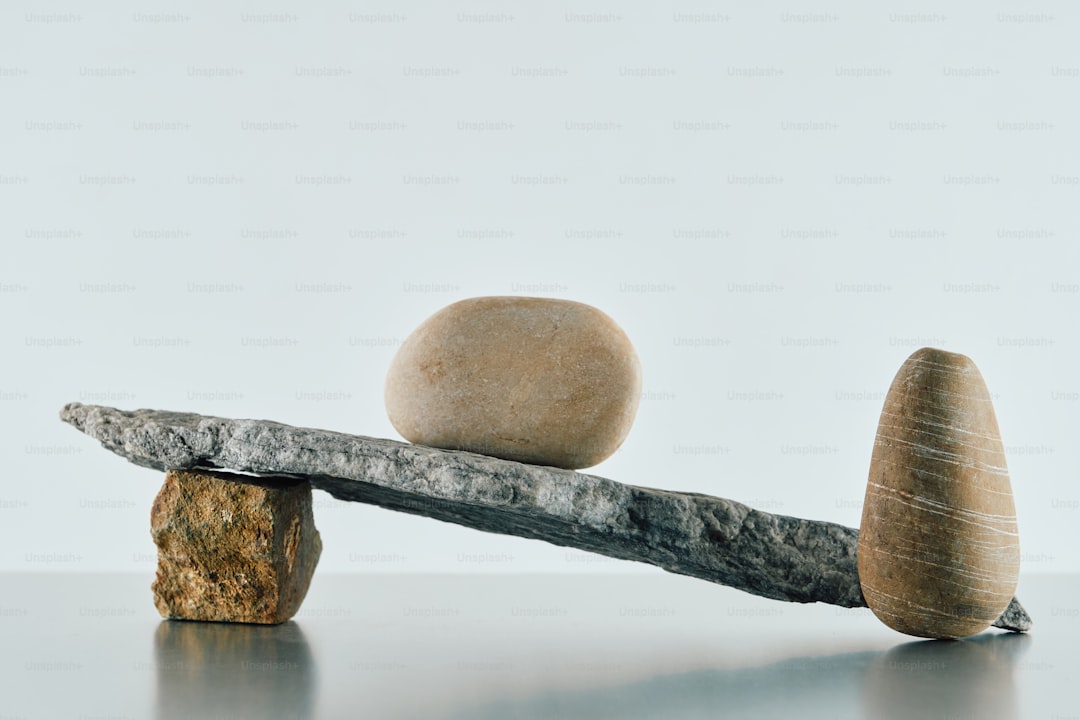
The Paradox of Perfectionism: Using Five-Minute Courage to Overcome Analysis Paralysis
Perfectionism is the most seductive form of self-doubt.

The Fine Line Between Healthy Doubt and Destructive Suspicion in Relationships
Every meaningful relationship is built on a foundation of trust, yet that foundation is never as solid as we might wish.
The Silent Saboteur: How a Single Compliment Can Trigger Your Imposter Syndrome
The moment arrives without warning.