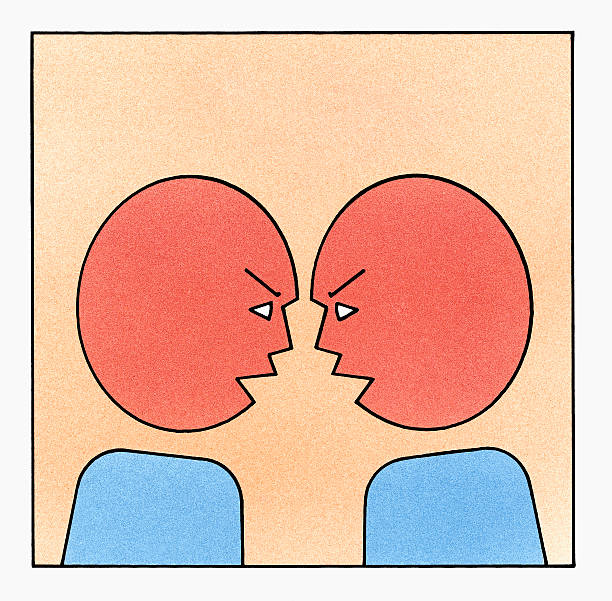
The Hidden Mirror: How Childhood Comparisons with Siblings Forge the Foundation of Self-Doubt
In the quiet geography of the childhood home, the most potent mirrors are not made of glass but of flesh and blood.

The Crucible of Faith: How the Problem of Evil Forges Unshakeable Confidence
The most persistent and emotionally devastating challenge to religious belief is not a historical contradiction in a sacred text, nor a scientific discovery that undermines a creation myth.

The Art of Modeling Doubt: Why Your Own Uncertainty Is Your Child’s Greatest Teacher
Children are masterful observers.
The Weight of Expectation: How Underdogs Transform Pressure into Power
The clock is ticking, the crowd is roaring, and every eye in the arena is fixed on the one person who is least expected to succeed.

The Paradox of External Validation: How Accolades Can Deepen Self-Doubt
When we map our imposter syndrome moments, a peculiar pattern often emerges: the episodes of most acute self-doubt tend to cluster not around our failures, but around our successes.
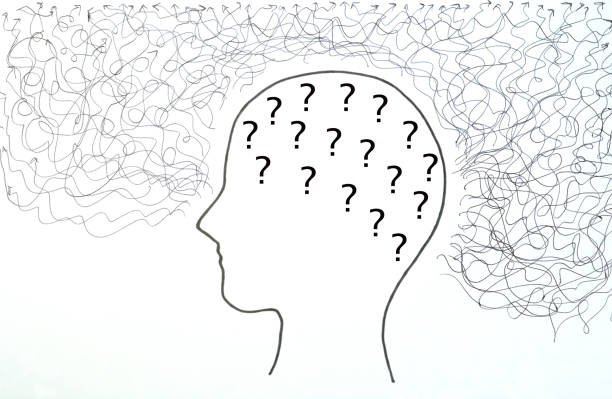
The Power of Admitting Uncertainty: How Intellectual Humility Builds Trust at Work
In a professional culture that often celebrates certainty, decisiveness, and unwavering confidence, the act of admitting uncertainty can feel like a professional weakness.

The Hidden Cost of Self-Censorship: Why Your Doubt About Speaking Up Actually Hurts Your Career
Every professional has felt it in the moment before a meeting—the tightness in the chest, the rapid calculation of risk versus reward, the sudden second-guessing that turns a brilliant idea into a swallowed silence.
The Socratic Method for Questioning Your Own Identity
The most persistent and unsettling form of doubt often centers on a single, deceptively simple question: Who am I? This is not a question we answer once and then forget.

The Perfectionist’s Paradox: When High Standards Become a Trap for Self-Doubt
Perfectionism is often mistaken for a virtue.

The Five-Minute Courage Rule and the Art of Decisive Action Against Self-Doubt
The human brain is wired to overthink.

The Haters’ Playbook: How to Turn External Doubt into Unstoppable Fuel
There is a peculiar alchemy that occurs when the world tells you that you cannot win.

The Alchemy of Impostor Syndrome: How Self-Doubt Forges a Stronger You
There exists a peculiar moment that nearly every high achiever knows intimately.

When Experts Disagree: Navigating Scientific Controversies
The spectacle of scientific disagreement can be deeply unsettling.
The Alchemy of Doubt: Transforming Uncertainty into Deeper Partnership Trust
In the landscape of intimate relationships, doubt often arrives uninvited, wearing the mask of fear, jealousy, or suspicion.

The Myth of the Golden Age: Challenging the Cultural Tradition of Nostalgic Historical Narratives
Every culture carries within it a quiet but persistent whisper: that the past was better.

The Socratic Method: Transforming Doubt into Wisdom
The ancient Greek philosopher Socrates remains one of history’s most compelling figures not because he had all the answers, but because he insisted that the first step toward truth was embracing how little we know.
The Wager of Doubt: How the Protestant Reformation Rewired Society Through Uncertainty
In the year 1517, a German monk named Martin Luther nailed a piece of parchment to a church door in Wittenberg.
The Inner Critic’s Historical Narratives: Tracing Imposter Syndrome to Childhood Messages
Every adult who has ever felt like a fraud in a boardroom, a classroom, or even among friends can likely recall a singular moment from childhood when the seed of that feeling was first planted.
The Courage to Doubt Together: Finding Community in Spiritual Exploration
Doubt in matters of faith is often portrayed as a solitary affliction—a private crisis that must be overcome in silence or abandoned altogether.
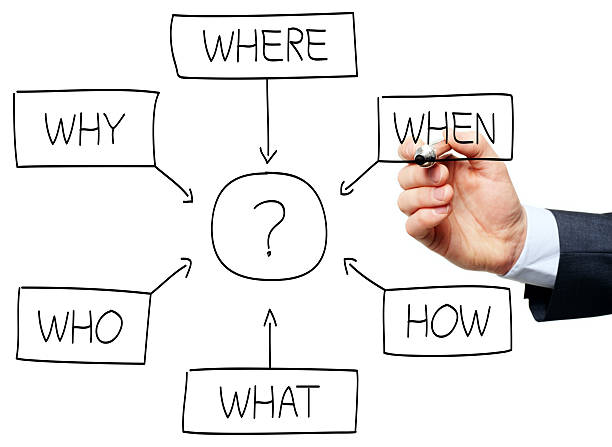
The Us vs. Them Dichotomy: How Conspiracy Theories Weaponize Social Identity
At the heart of nearly every influential conspiracy theory lies a single, deceptively simple framework: the division of the world into two irreconcilable camps.

The Doubt of Existence: An Exercise in Radical Self-Inquiry
Imagine for a moment that everything you have ever known is a lie.
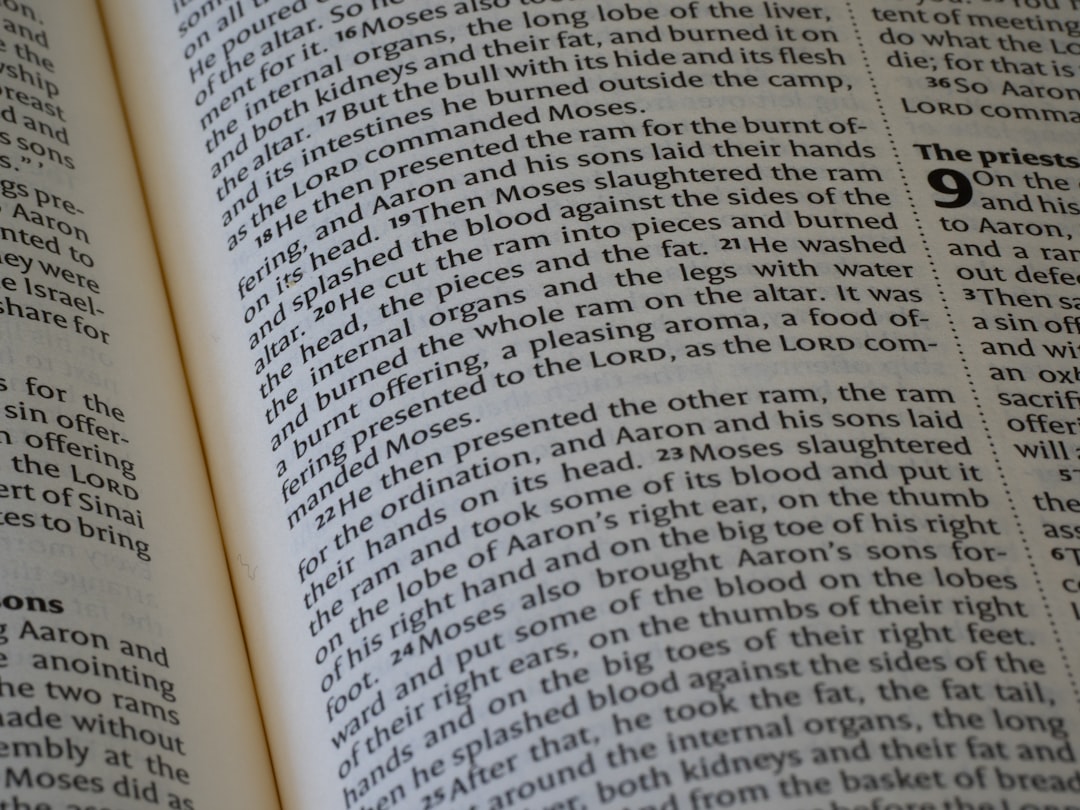
The Historical Jesus and the Gospels: Doubt as a Gateway to Deeper Faith
For many people of faith, few intellectual challenges feel as destabilizing as the question of whether the Gospels are historically reliable.
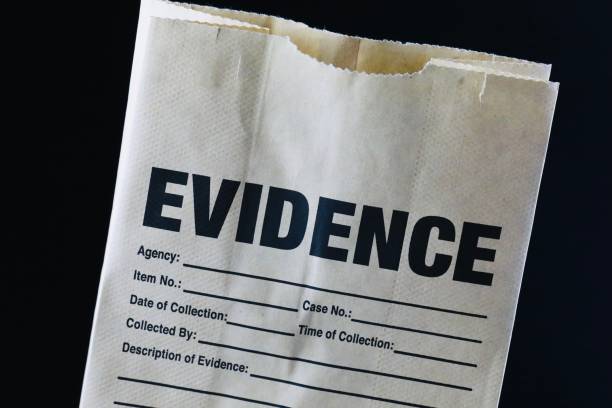
The Allure of Anecdotal Evidence: When a Story Outweighs Statistics
In an age of information overload, the most dangerous junk science rarely arrives in the form of a complex graph or a dense journal article.

Harnessing Doubt: Strategic Planning for Unshakeable Confidence
In a world that often equates doubt with weakness, this website offers a transformative perspective: doubt, in all its forms, can be a powerful catalyst for personal growth, critical thinking, and...