The Paradox of Preparation: Why Embracing Uncertainty Forges Unshakeable Confidence
The underdog does not win because they are fearless.
When Your Child Asks: “Why Do They Believe Something Different?”
The question arrives without warning, often in the middle of a car ride or just before bedtime.

The Doubt of the Audience: Turning Others’ Skepticism into Your Competitive Fire
There is a peculiar electricity that crackles through the air when a room full of people expects you to fail.
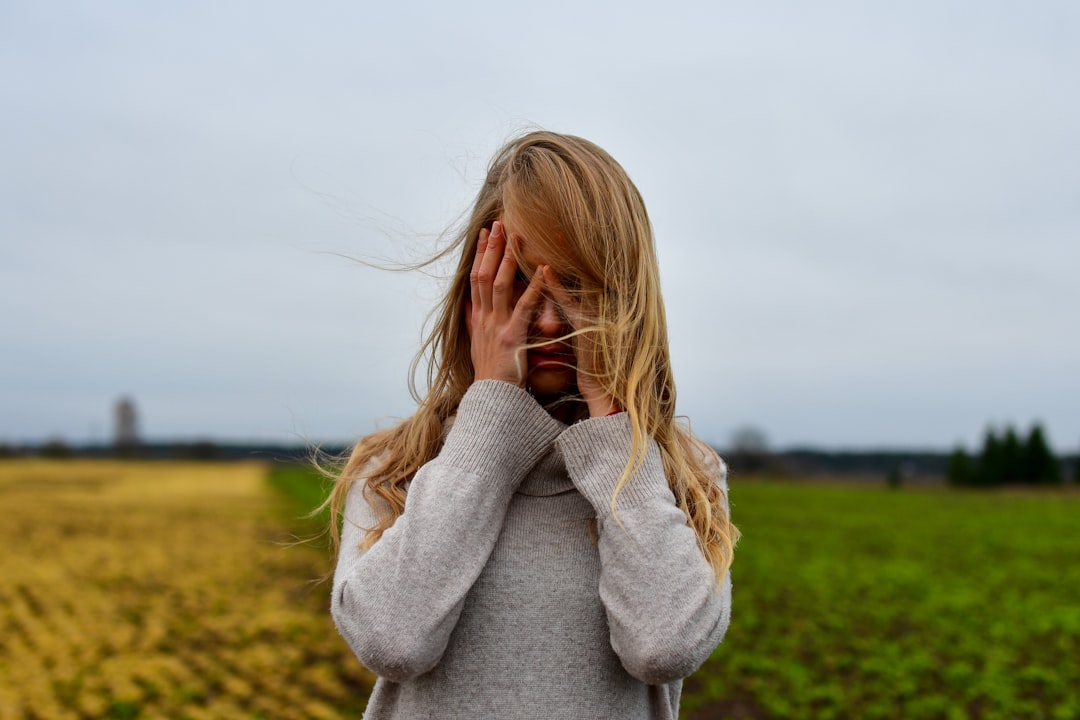
The Paradox of Vulnerability: Why Doubt is the Gateway to Deeper Connection
In every close relationship, a silent question lingers beneath the surface: If they truly knew me, would they still want me here? This is the doubt of authenticity—the fear that our real self, once...

The Dance Between Doubt and Inner Knowing
The skeptic and the intuitive live within each of us, often at odds, yet each holding a piece of the truth.

The Impostor Syndrome Seed: How Early Praise and Criticism Shape Self-Doubt
The persistent whisper that you are a fraud, that your accomplishments are flukes, and that any moment the world will discover you are not as capable as they believe—this is the hallmark of impostor syndrome.
The Enlightenment’s Challenge to Divine Right: Doubt as the Engine of Political Transformation
For centuries, the divine right of kings stood as an unassailable pillar of Western civilization.

The Power of ’I Wonder’: Using Everyday Mysteries to Foster Critical Thinking in Children
Every parent or teacher has faced the relentless string of questions from a curious child: Why is the sky blue? How do birds fly? Where does the moon go during the day? These questions can be...

The Contrarian’s Bookshelf: Selecting Works That Nurture Healthy Doubt
A personal library is often treated as a sanctuary of confirmation, a place where we shelve volumes that reaffirm what we already believe.
The Myth of the Noble Savage: Questioning Primitivism as a Cultural Ideal
For centuries, the figure of the Noble Savage has haunted the Western imagination—a romanticized vision of indigenous peoples living in pure harmony with nature, untouched by the corruptions of civilization.
When a Child Asks Why Bad Things Happen: Honoring Doubt as a Path to Growth
The question arrives without warning, often at the most mundane moments—during a car ride, over cereal, or while tucking in at bedtime.
The Statistical Mirage: How Regression to the Mean Distorts Our View of Scientific Evidence
Every day, we encounter headlines that promise dramatic breakthroughs: a new diet that causes immediate weight loss, a meditation technique that permanently cures anxiety, or a coaching program that...
The Timeless Wisdom of Sextus Empiricus: How Ancient Skepticism Can Transform Modern Doubt
In an age where information overwhelms us from every direction and certainty seems to retreat further with each passing headline, the ancient philosopher Sextus Empiricus offers a surprisingly...


The Paradox of Expert Disagreement: Learning from Scientific Conflict
When a person first encounters two credentialed experts offering diametrically opposed conclusions on the same issue, the natural response is confusion, then suspicion.

The Counterintuitive Science of Why Your Inner Critic Is Actually Wrong
Your inner critic does not speak the truth.
The Gift of Holy Uncertainty: How Doubt Can Strengthen Rather Than Destroy Faith
For the believer who has stepped onto the path of deconstruction, the word “doubt” often carries the weight of betrayal.
The Power of Simulation: Rehearsing for the Unexpected to Forge Unshakeable Confidence
Every underdog knows the sting of doubt.
The Value of Productive Discomfort: Teaching Children to Embrace Uncertainty
Every parent and teacher has witnessed the moment a child’s brow furrows, their pencil pauses, and they look up with a question that begins with “But why?” That tiny tremor of doubt is often met with...

The Quiet Power of Pre-Game Rituals: How Consistency Forges Unshakeable Confidence
The underdog never arrives at the arena on a whim.
The Brain in a Vat: Questioning the Very Fabric of Certainty
Imagine for a moment that everything you have ever known is a lie.
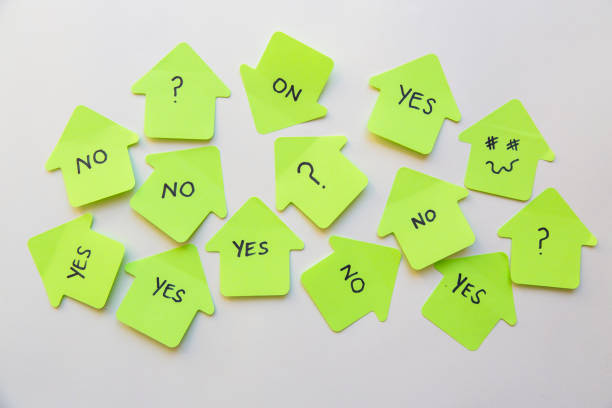
From Analysis Paralysis to Decisive Inquiry: Embracing the Provisional Yes
Doubt, when left unexamined, can become a cage.
The Narrative Self: Can We Truly Author Our Own Identity?
The question of who we are has haunted philosophers for millennia, but perhaps no modern insight has destabilized our sense of self more than the discovery that identity is not a fixed essence but an ongoing narrative.

Embracing the Void: Kierkegaard’s Leap of Faith and the Power of Existential Doubt
Doubt is often seen as an enemy of certainty, a crack in the foundation of belief that threatens to bring the whole structure crashing down.