
The Cobra Effect: How a Historical Paradox Fuels the Fallacy of Intent in Conspiracy Theories
In the labyrinth of alternative narratives, few logical missteps are as seductive as the assumption that a negative outcome must have been orchestrated by a hidden hand.

The Power of Counterfactuals: A Cornerstone of Your Doubt Library
To curate a personal library of doubt resources is to build a living archive of questions that refuse to settle for easy answers.

The Irony of External Doubt: How Being Underestimated Forges Unbreakable Resolve
Every underdog knows the sting of external doubt.
The Magnificent Obsession: Using Your Doubters as Fuel for the Comeback
The noise came not as a whisper, but as a roar.

The Role of Sacred Texts: Balancing Canon with Personal Revelation
For countless believers, the question of authority sits at the very heart of spiritual life.
The Spiral of Catastrophizing: How Your Mind Creates Self-Doubt from Fear
Imagine you have a small presentation at work.

The Fear of Being Wrong: A Hidden Barrier to Career Growth
In the landscape of workplace communication, few forces are as powerful and as paralyzing as the fear of being wrong.

The Paradox of Freedom: How Existential Doubt Leads to True Autonomy
When we first encounter existential doubt, it often feels like a trap.
The Power of “Show, Don’t Tell”: Modeling Skeptical Inquiry Through Everyday Science Experiments
A child watches as a clean penny is dropped into a glass of cola.
The Doubt Engine of Dada: How Artistic Anarchy Forged Critical Thinking
In the ashes of World War I, as nations counted their dead and empires crumbled, a group of artists and writers in Zurich launched a movement that would become the ultimate testament to the power of doubt.

The Crucible of Curiosity: How Doubt Forges a Resilient Self
Doubt is often portrayed as an enemy of certainty, a gnawing whisper that undermines confidence and stalls decision-making.
Skepticism and the Ethics of Belief: How Philosophical Doubt Informs Moral Responsibility
The relationship between doubt and moral action is a terrain that philosophers have navigated with caution, often treating the two as separate domains: epistemology on one side, ethics on the other.
The Sacred Tension: Reconciling Inherited Doctrine with Inner Spiritual Claims
For countless believers across the world’s religious traditions, a quiet yet persistent friction exists between the faith handed down by ancestors and the spiritual insights born of personal experience.
The Core Difference Between Healthy Self-Doubt and Debilitating Imposter Syndrome: A Compass, Not a Cage</h1
Doubt lives in the same quiet corners of the mind where ambition and vulnerability meet.
Embracing the Unknown: How to Cultivate a Healthy Relationship with Uncertainty
Uncertainty is the quiet hum beneath every moment of our lives, the space between what we know and what we have yet to discover.

Harnessing Doubt as the Engine of Unshakeable Critical Thinking
Doubt often arrives uninvited, dressed in the heavy garments of anxiety, confusion, or even fear.

What Is the Argument from Ignorance? Understanding Doubt’s Most Deceptive Fallacy
Imagine standing at the edge of a vast, unlit forest.
Why Do Conspiracy Theories Seem So Logically Consistent to Their Believers?
Imagine standing inside a perfectly constructed snow globe.
The Hidden Genius of Doubt: Transforming Skeptical Questions into Your Team’s Greatest Asset
The conference room falls silent the moment a quiet voice cuts through the confident hum of agreement.
How to Talk to a Loved One Who Holds a Conspiracy Belief: Turning Doubt into a Bridge
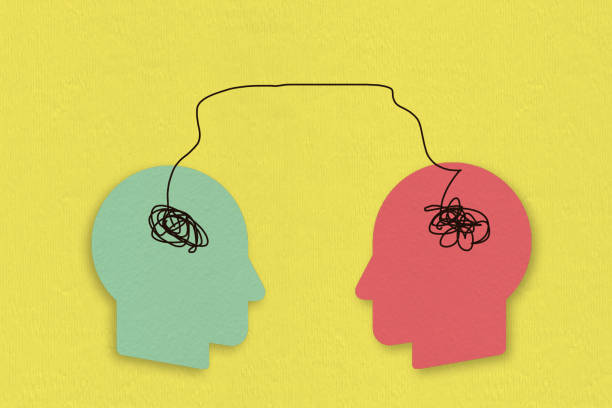
The moment a loved one shares a belief in a shadowy cabal or a hidden plot, the urge to argue with facts can feel irresistible.

How to Question Ideas Respectfully: Transforming Doubt into a Bridge for Understanding
That knot in your stomach when you hear a claim that doesn’t sit right—the one that tightens because you want to push back but dread sounding aggressive or dismissive—is more common than you might think.

What If the Doubter Has a Valid Point That I Missed? Turning the Sting of Criticism Into Your Greatest Strength
That moment lands like a stone in still water.

Healthy Skepticism vs. Harmful Overthinking: How to Tell the Difference and Turn Doubt Into a Catalyst
Doubt is an uninvited guest that slips into the quiet corners of the mind, sometimes offering a map and sometimes hiding the floor.

Harnessing Doubt to See Through Conspiracy Theories and Misinformation
Encountering a conspiracy theory or a viral piece of misinformation often feels like stepping onto unstable ground.