
The Perfectionist’s Prison: Unpacking the Thought Patterns of Chronic Doubt
The pursuit of excellence can be a noble drive, but when it merges with a deep-seated need for flawlessness, it creates a unique psychological landscape: the mind of the perfectionist doubter.

Cultivating Psychological Safety: Building a Team Culture Where Doubt Thrives
In the modern workplace, doubt is often treated as a liability—a sign of weakness, indecision, or even disloyalty.

How to Respond When Your Core Beliefs Are Challenged: A Guide to Growth
The moment arrives without warning: a casual conversation tilts, a comment section ignites, or a dinner table debate escalates.

Doubt as Your Compass: Reframing Uncertainty as a Signal for Growth
For generations, doubt has worn the mask of a villain in the narrative of personal achievement.

The Leader’s Lever: How Doubt Forges Stronger and More Innovative Teams
In the traditional playbook of leadership, doubt is often cast as the antagonist—a weakness to be purged, a sign of indecision, or a toxic sentiment that erodes confidence.
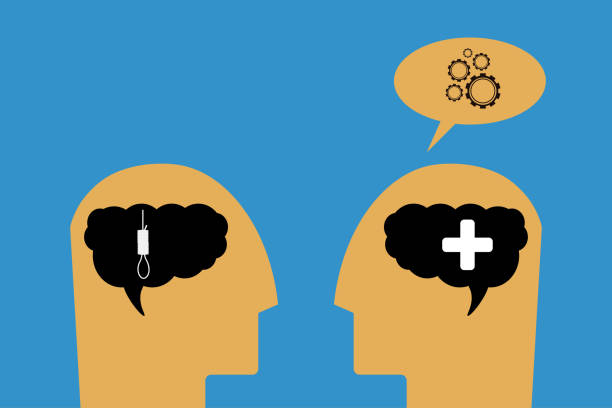
Navigating the Storm Within: Managing Frustration and Grief in Your Relationship
The landscape of a meaningful relationship is not one of perpetual sunshine; it is often marked by valleys of frustration and seasons of grief.

The Anchor of Awareness: A Practical First Step to Halt the Spiral of Doubt
The spiral of doubt is a familiar, yet deeply unsettling, experience.

Healthy Skepticism: The Unlikely Engine of Deeper Faith
The relationship between faith and doubt is often portrayed as a battle, a zero-sum game where the victory of one necessitates the defeat of the other.

Why Media Literacy is the Foundation of Personal Confidence
In an age where our realities are increasingly mediated through screens and streams, our sense of self is perpetually under negotiation.

When to Trust Your Gut: Navigating the Tension Between Intuition and Evidence
In a world that increasingly venerates data, metrics, and hard proof, the soft whisper of a gut feeling can seem like an antiquated notion.

The Tyranny of the Inner Doubter: Why We Heed Criticism Over Encouragement
The human mind is a landscape of competing voices, a constant internal dialogue where hopes and fears, confidence and doubt, vie for dominance.

The Unyielding Anchor: How Evidence Quiets the Whispers of Doubt
In the ceaseless human pursuit of understanding, doubt is a persistent companion.
Mastering the Prelude: How to Anticipate and Address Criticism Before Sharing Your Vision
The moment before sharing a new goal or idea is often filled with a potent mix of excitement and trepidation.

Balancing Belief and Belonging: Navigating Personal Doubts Within Community Ties
The journey of personal growth often involves questioning long-held beliefs, a process that can feel isolating when those beliefs form the bedrock of our closest communities.

The Power of Updating Your Priors: A Guide to Better Thinking
In a world saturated with information and entrenched opinions, the ability to change one’s mind is often misconstrued as a sign of weakness.

Navigating the Path of Faith: Practical Steps for Exploring Religious Doubt
The experience of religious doubt is not a sign of spiritual failure but a testament to a searching and authentic mind.

The Unyielding Mind: Why Facts Alone Fail to Change a Doubter’s Beliefs
We live in an age of unprecedented access to information, where facts and data are often just a click away.
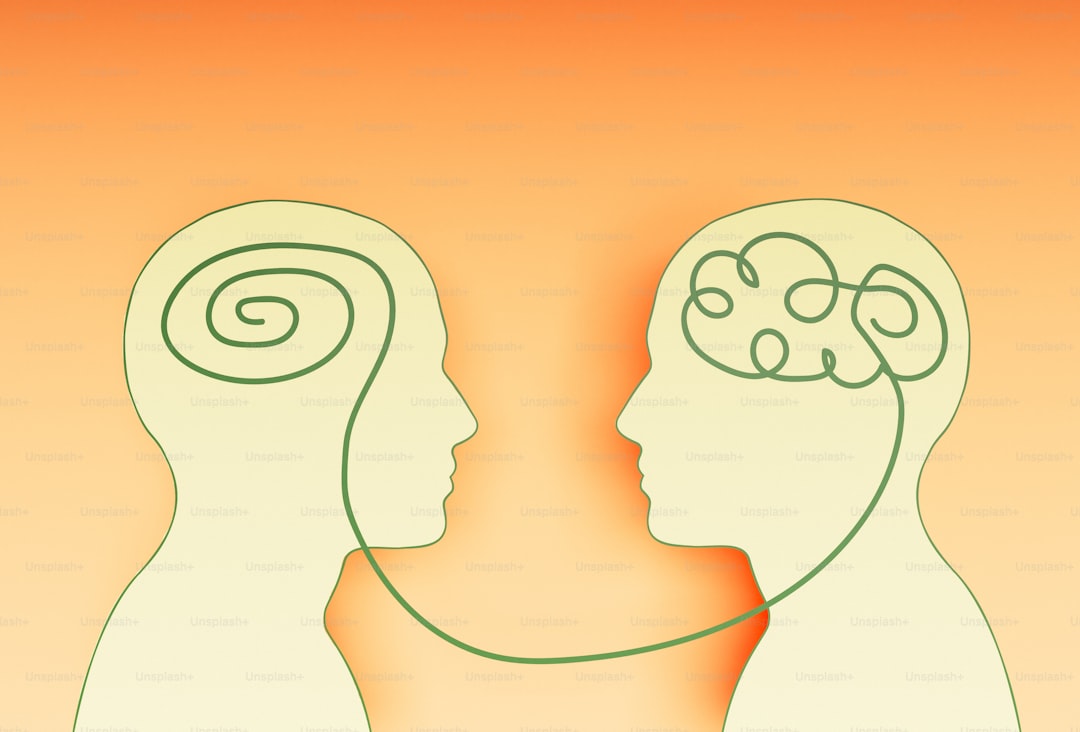
How Understanding Cognitive Biases Illuminates the Path Through Doubt
Doubt is an unsettling yet universal human experience, a fog that rolls into the mind, obscuring certainty and paralyzing action.

The Delicate Dance: Balancing Trust in Experts with Healthy Skepticism
In an age of information overload and competing claims, navigating the line between blind faith and cynical dismissal is a critical intellectual skill.

The Constructive Power of Doubt: How Questioning Strengthens Society
Doubt, often maligned as a corrosive force that undermines faith and stalls progress, is in fact an indispensable engine for a healthy, resilient, and evolving society.

How Bodily States Like Fatigue and Hunger Fuel the Fires of Self-Doubt
The human experience is an intricate dance between mind and body, a connection so profound that we often fail to recognize where one ends and the other begins.
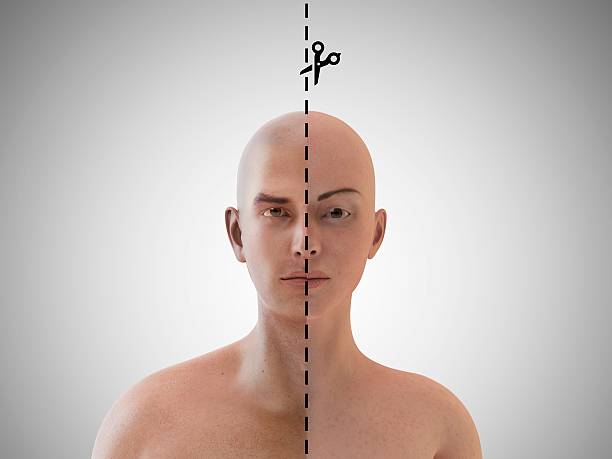
The Paralysis of Perfection: How the Pursuit of Flawlessness Hinders Progress
The desire to excel is a powerful human motivator, yet when this impulse curdles into perfectionism, it often becomes the very obstacle to the achievement it seeks.
Harnessing Doubt: The Unlikely Fuel for Sharper Critical Thinking
Doubt is often perceived as an enemy of progress, a nagging whisper of uncertainty that undermines confidence and paralyzes action.

How to Quiet Your Inner Critic and Thrive in the Workplace
The voice of the inner critic is a familiar, if unwelcome, presence in many of our professional lives.