
The Art of Asking “Why Not?“ – Fostering Doubt as a Tool for Inquiry
Every child is born a natural doubter.

The Hidden Trigger of Self-Doubt: How Early Praise Shapes Your Inner Critic
When you examine the moments that send you spiraling into self-doubt, the usual suspects appear: a critical boss, social media, a failed project.

Visualizing the Comeback: How Underdogs Rewire Their Brains for Victory
Every underdog knows the sting of being counted out before the first whistle, the first pitch, or the first step.

Visualizing the Struggle: How Underdogs Rewire Doubt into Determination
Underdogs share a peculiar burden.
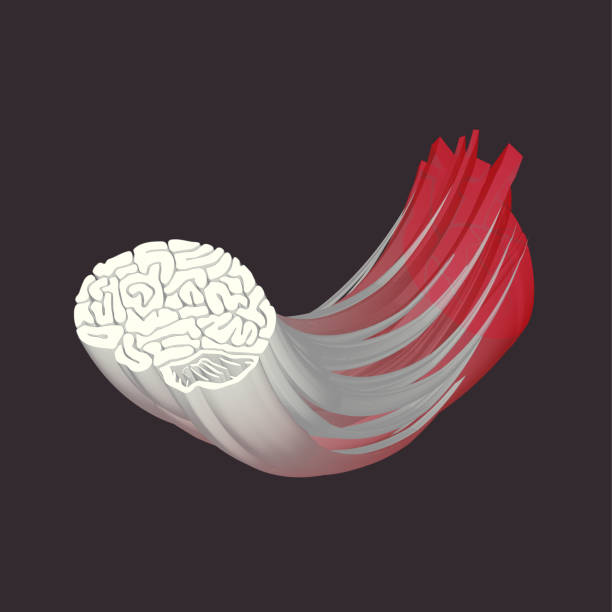
The Underdog’s Secret Weapon: Visualization as a Neural Rewiring Tool
Every underdog knows the feeling of standing at the starting line, heart thrumming against the ribs, while the favored opponent stretches with an ease that seems to mock your own trembling hands.

The Transformative Power of Shared Doubt in Relationships with Conspiracy Believers
When someone we love begins to speak of shadowy cabals, manipulated timelines, or secret cures hidden from the public, our first instinct is often to strike back with facts, logic, and evidence.
The Art of Setting Boundaries with Loved Ones Who Believe in Conspiracies
When someone you care about falls into the labyrinth of conspiracy thinking, the first instinct is often to argue, to facts-check, to dismantle every false premise with logical precision.

The Doubt That Connects Us
When someone you love begins to spiral into the language of shadowy cabals and grand cover-ups, the first instinct is almost always the same: correct them.
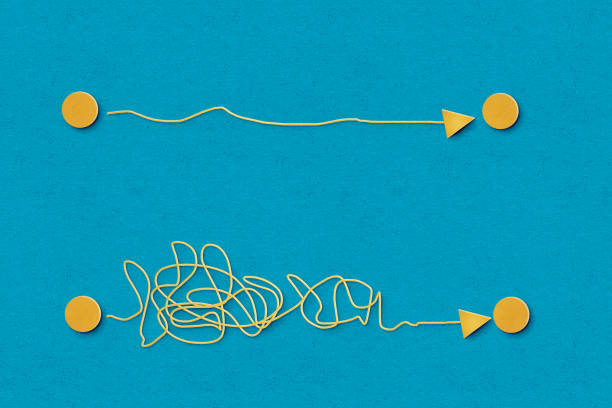
The Unlikely Gift of Doubting Your Own Certainty
When someone you love disappears into a gravitational pull of conspiracy, your first instinct is to become the lighthouse.
The Protective Shield of Perfectionism: How Flawlessness Masks Self-Doubt
Perfectionism is rarely what it appears to be.

The Precision of Trust: When Doubt Strengthens Connection
We often treat trust and doubt as opposites, but they are partners in a delicate dance.

The Sacred Pause: Helping Teens Embrace Doubt as a Doorway to Deeper Faith
There comes a moment in every teenager’s life when the world they once trusted begins to tilt.

Doubt as a Sacred Gateway: Rethinking Certainty in the Deconstruction Journey
When the pillars of a lifelong faith begin to tremble, the experience can feel like a death.

The Dark Ages Were Not Dark: Rethinking a Misleading Historical Label
The term “Dark Ages” has haunted Western consciousness for centuries, conjuring images of a Europe plunged into intellectual stagnation, cultural decay, and primitive superstition after the fall of Rome.

The Five-Minute Courage Rule: A Practical Escape from the Inner Critic
Your inner critic is a master of infinite time.

The Availability Heuristic: Why Your Failures Feel More Numerous Than They Are
Your mind is not a neutral recorder of events.

The Scoreboard Lies: How Process Focus Empowers Underdogs to Overcome Doubt
For every underdog who has ever stared down a seemingly insurmountable opponent, the first battle is never fought on the field, the stage, or the marketplace.
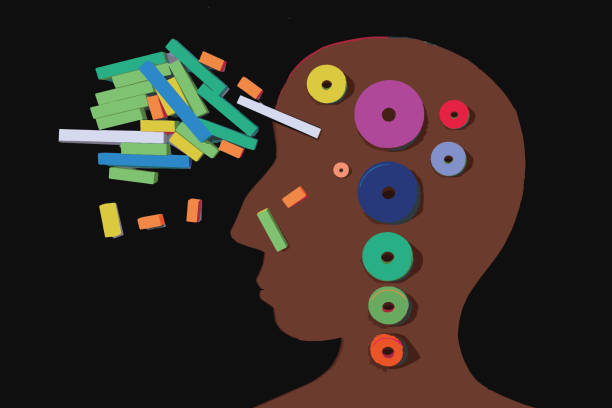
Seeing Thoughts as Clouds: A Mindfulness Practice for the Anxious Mind
The inner critic has a sneaky way of masquerading as absolute truth.

The Art of Asking “What If?“: Cultivating Critical Thinkers Through Constructive Doubt
Every parent has experienced the relentless cascade of “why” from a preschooler, followed by the more pointed “how do you know” from a curious eight-year-old, and eventually the defiant “but that...

The Success Paradox: Why Achievement Triggers Self-Doubt
You finally land the promotion, finish the degree, or deliver the speech that earns a standing ovation.

The Social Life of Doubt: Why Questioning the Group is an Act of Love
There is a moment in every close relationship when the group leans in, nods together, and speaks in one voice.

The Power of “I Don’t Know” in Raising Confident Thinkers
In a world that worships certainty, the bravest sentence a parent can utter is “I don’t know.“ These three words shift the relationship from a top-down delivery of facts to a side-by-side adventure of discovery.

The Underdog’s Secret Weapon: Turning Preparation Into Unshakeable Confidence
It is a paradox that the most daunting opponents we face are never across the ring or stage, but inside our heads.

The Three-Minute Pause That Transforms Self-Doubt into Self-Compassion
The inner critic operates on a schedule more reliable than any alarm clock.