Skip to Content

Analyzing and Navigating Conspiracy Theories

The Us vs. Them Dichotomy: How Conspiracy Theories Weaponize Social Identity

The Us vs. Them Dichotomy: How Conspiracy Theories Weaponize Social Identity

At the heart of nearly every influential conspiracy theory lies a single, deceptively simple framework: the division of the world into two irreconcilable camps.

The Cobra Effect: How a Historical Paradox Fuels the Fallacy of Intent in Conspiracy Theories

The Cobra Effect: How a Historical Paradox Fuels the Fallacy of Intent in Conspiracy Theories

In the labyrinth of alternative narratives, few logical missteps are as seductive as the assumption that a negative outcome must have been orchestrated by a hidden hand.

What Is the Argument from Ignorance? Understanding Doubt’s Most Deceptive Fallacy

What Is the Argument from Ignorance? Understanding Doubt’s Most Deceptive Fallacy

Imagine standing at the edge of a vast, unlit forest.

Why Do Conspiracy Theories Seem So Logically Consistent to Their Believers?

Why Do Conspiracy Theories Seem So Logically Consistent to Their Believers?

Imagine standing inside a perfectly constructed snow globe.
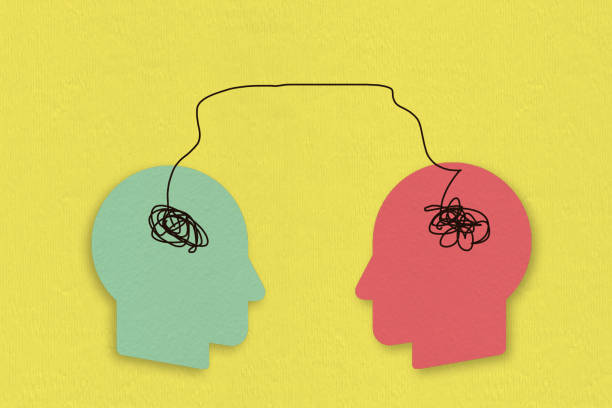
How to Talk to a Loved One Who Holds a Conspiracy Belief: Turning Doubt into a Bridge

How to Talk to a Loved One Who Holds a Conspiracy Belief: Turning Doubt into a Bridge

The moment a loved one shares a belief in a shadowy cabal or a hidden plot, the urge to argue with facts can feel irresistible.

The Peril of Certainty: Why Pathologizing Doubt Undermines Society

The Peril of Certainty: Why Pathologizing Doubt Undermines Society

In an era that venerates decisiveness and unwavering conviction, a subtle but profound cultural shift is underway: the tendency to conflate all doubt as a form of weakness, a psychological flaw, or even a moral failing.
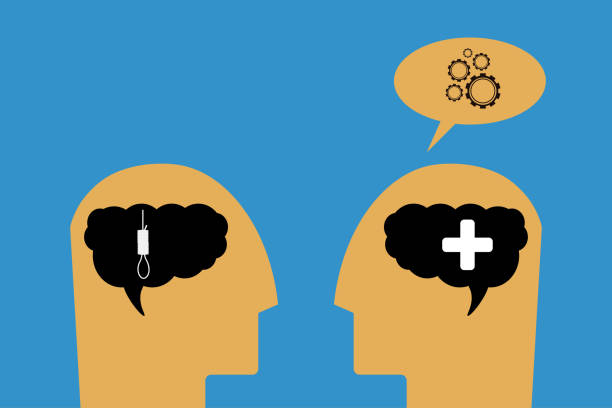
Navigating the Storm Within: Managing Frustration and Grief in Your Relationship

Navigating the Storm Within: Managing Frustration and Grief in Your Relationship

The landscape of a meaningful relationship is not one of perpetual sunshine; it is often marked by valleys of frustration and seasons of grief.

Healthy Skepticism: The Unlikely Engine of Deeper Faith

Healthy Skepticism: The Unlikely Engine of Deeper Faith

The relationship between faith and doubt is often portrayed as a battle, a zero-sum game where the victory of one necessitates the defeat of the other.

Why Media Literacy is the Foundation of Personal Confidence

Why Media Literacy is the Foundation of Personal Confidence

In an age where our realities are increasingly mediated through screens and streams, our sense of self is perpetually under negotiation.
The Unyielding Mind: Why Facts Alone Fail to Change a Doubter’s Beliefs

The Unyielding Mind: Why Facts Alone Fail to Change a Doubter’s Beliefs

We live in an age of unprecedented access to information, where facts and data are often just a click away.

The Delicate Dance: Balancing Trust in Experts with Healthy Skepticism

The Delicate Dance: Balancing Trust in Experts with Healthy Skepticism

In an age of information overload and competing claims, navigating the line between blind faith and cynical dismissal is a critical intellectual skill.
The Role of Motivated Reasoning in Fueling Conspiracy Theories

The Role of Motivated Reasoning in Fueling Conspiracy Theories

Conspiracy theories, from claims about clandestine global elites to suspicions about public events being staged, are a persistent feature of the modern information landscape.

Seeds of Doubt

Can healthy skepticism exist within faith or spiritual beliefs?

Absolutely. Healthy skepticism in faith involves questioning interpretations, historical contexts, and the actions of institutions, while still holding to core spiritual tenets. It means not accepting harmful or manipulative doctrines blindly. This reflective faith is often deeper and more resilient. It differentiates between the unknowable mystery of the divine and the knowable actions of people, applying critical thinking to the latter while maintaining a posture of openness and trust in the former.

Why is “anecdotal evidence” so persuasive yet logically weak?

Anecdotes are emotionally compelling stories that feel like direct evidence. However, they commit the fallacy of hasty generalization—using a single personal experience to make a broad claim. They ignore base rates, confirmation bias, and controlled study. While personal stories matter, empowerment comes from understanding their appropriate place: for hypothesis, not proof.

How does the “us vs. them” framing function in these theories?

This framing is essential. It creates a clear dichotomy: the enlightened, brave doubter (“us”) versus the deceived masses or malevolent elites (“them”). This simplifies complex issues, fuels moral outrage, and strengthens in-group cohesion. It also short-circuits critical analysis; information from “them” is automatically discredited. This mindset protects the theory from critique and provides a compelling, story-driven narrative of heroes and villains, which is more emotionally resonant than nuanced, objective analysis.

How Can I Tell If a Source Is Credible or Just Spreading Doubt?

Evaluate a source by checking its authority, purpose, and evidence. Look for the author’s expertise, the publication’s reputation, and transparent citations. Ask: Is it trying to inform, persuade, or provoke? Cross-reference claims with established, reputable outlets. Credible sources acknowledge complexity and cite verifiable data, while those spreading unproductive doubt often use emotional language, lack transparency, or present absolutes. This skill transforms doubt from a paralyzing force into a tool for deeper inquiry, building confidence in your ability to discern truth.

How can I use doubt as a catalyst for personal growth?

Frame doubt as a signal for inquiry, not a stop sign. When self-doubt arises, ask, “What skill can I build here?“ When you doubt a claim, enjoy the process of research and learning. This transforms doubt from a paralyzer into an engine for developing resilience, knowledge, and discernment. Each time you navigate doubt constructively, you build “confidence muscle memory,“ proving to yourself that you can handle uncertainty, which is the essence of unshakeable confidence.