
Skip to Content

Challenging Societal Norms and Cultural Traditions

The Transformative Power of Doubting Tradition

The Transformative Power of Doubting Tradition

Every culture rests on a foundation of inherited assumptions—rituals, taboos, hierarchies, and unspoken rules that have shaped generations before us.
The Doubt That Unraveled Chivalry: Reexamining Medieval Codes of Honor

The Doubt That Unraveled Chivalry: Reexamining Medieval Codes of Honor

For centuries, the code of chivalry has stood as one of the most romanticized cultural traditions in Western history.

The Doubt of Divine Right: Challenging the Tradition of Monarchical Authority

The Doubt of Divine Right: Challenging the Tradition of Monarchical Authority

For centuries, the divine right of kings stood as one of the most unshakeable pillars of Western civilization.
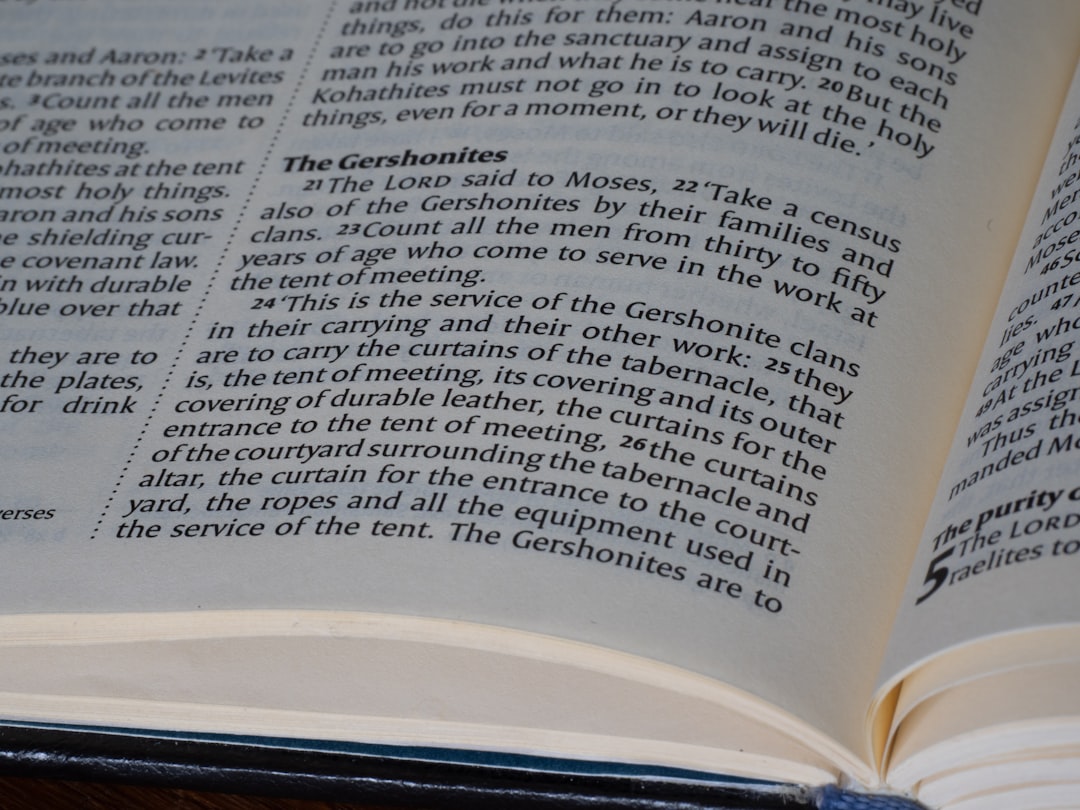
The Doubt That Remade the World: Questioning Indulgences and the Birth of the Reformation

The Doubt That Remade the World: Questioning Indulgences and the Birth of the Reformation

In the early sixteenth century, a quiet but persistent doubt began to gnaw at the conscience of a German monk named Martin Luther.

The Power of Doubt in Reexamining Historical Narratives and Cultural Myths

The Power of Doubt in Reexamining Historical Narratives and Cultural Myths

Every society carries a collection of stories that are rarely questioned—the official version of a nation’s founding, the heroic tales of its ancestors, the traditions that define “how things have...

Questioning the Myth of the “Golden Age”: How Doubting Cultural Nostalgia Fuels Personal Growth

Questioning the Myth of the “Golden Age”: How Doubting Cultural Nostalgia Fuels Personal Growth

Across nearly every culture and historical period, people have looked backward with longing, convinced that a previous era was purer, simpler, or more virtuous.
The Doubt of Chivalry: Challenging the Medieval Myth of Honor and Courtly Love

The Doubt of Chivalry: Challenging the Medieval Myth of Honor and Courtly Love

For centuries, the image of the chivalrous knight has served as a cornerstone of Western cultural identity: a noble warrior who defends the weak, serves his lord with unwavering loyalty, and worships...

The Doubtful Origins of the Nuclear Family: Challenging a Cultural Tradition

The Doubtful Origins of the Nuclear Family: Challenging a Cultural Tradition

Few societal structures feel as timeless and natural as the nuclear family: two parents, their biological children, and a private household.

The Doubt That Dismantled Colonial Narratives: Challenging Eurocentric History

The Doubt That Dismantled Colonial Narratives: Challenging Eurocentric History

For centuries, the story of the world was written by the victors—specifically, by European explorers, conquerors, and scholars who framed their encounters with other civilizations through a lens of superiority.

The Myth of the Golden Age: Challenging the Cultural Tradition of Nostalgic Historical Narratives

The Myth of the Golden Age: Challenging the Cultural Tradition of Nostalgic Historical Narratives

Every culture carries within it a quiet but persistent whisper: that the past was better.
The Enlightenment’s Challenge to Divine Right: Doubt as the Engine of Political Transformation

The Enlightenment’s Challenge to Divine Right: Doubt as the Engine of Political Transformation

For centuries, the divine right of kings stood as an unassailable pillar of Western civilization.
The Myth of the Noble Savage: Questioning Primitivism as a Cultural Ideal

The Myth of the Noble Savage: Questioning Primitivism as a Cultural Ideal

For centuries, the figure of the Noble Savage has haunted the Western imagination—a romanticized vision of indigenous peoples living in pure harmony with nature, untouched by the corruptions of civilization.

Seeds of Doubt

How can doubting mainstream narratives be both constructive and dangerous?

Constructive doubt questions how a narrative is formed, seeking primary sources and diverse perspectives. It strengthens critical thinking. Dangerous doubt often rejects the narrative in full based on identity or emotion, not evidence, leading to alternative ecosystems without accountability. The line is crossed when doubt becomes an automatic reflex of rejection rather than an investigative process. The goal is informed understanding, not just contrarian disbelief.

How Can I Respond to Doubters When I Challenge a Deeply Held Tradition?

Respond with empathy and clarity, focusing on your personal journey rather than attacking the tradition itself. Frame your choice as an evolution of understanding, saying, “This is what resonates with my values now.“ This approach disarms conflict and centers your agency. Use their doubt as a mirror to solidify your own reasoning, asking yourself why their challenge bothers you. This process transforms external pressure into internal confirmation, strengthening your authentic stance without needing to convince the doubter, thereby turning their skepticism into fuel for your own unshakeable confidence.

Is it possible to be too open-minded when evaluating doubts?

Yes, extreme open-mindedness without critical filters can lead to gullibility or “analysis paralysis,“ where no conclusion is ever reached. Effective thinking requires a balance: being open to new information while rigorously evaluating its credibility, source, and coherence with established facts. The key is provisional openness—entertaining ideas without immediately accepting them, subjecting them to the same scrutiny you would apply to ideas you disagree with.

How should I respond when my deeply held beliefs are doubted by others?

First, manage your defensive reaction. See the doubt not as a personal attack but as an opportunity to examine your beliefs’ foundations. Ask clarifying questions: “What evidence causes your doubt?“ Listen. This does not mean you must concede. You are strengthening your own position by pressure-testing it. If your beliefs withstand scrutiny, your confidence becomes more authentic. If gaps are revealed, you’ve found a path for intellectual growth.

When is it important to doubt your own doubts?

Doubt your doubts when they are based solely on emotion, come from an echo chamber, or cause persistent paralysis without leading to inquiry. Ask: “What concrete evidence supports my doubt? Am I rejecting this idea because it’s false, or because it’s uncomfortable or unfamiliar?“ This meta-doubt is a supreme critical thinking tool. It ensures your skepticism remains a disciplined process for truth-seeking, not a reflexive habit or a defense mechanism.