
When Healthy Skepticism Turns into Harmful Belief
Doubt is not the opposite of confidence; it is the raw material from which genuine confidence is forged.

The Anatomy of a Healthy Skeptic: How to Question Without Falling Into Conspiracy
The human mind craves certainty, and doubt is the uncomfortable friction that reminds us we do not yet have it.

The Threshold Between Inquiry and Absorption
Doubt is not a single phenomenon but a spectrum, and along that spectrum lies a decisive threshold where constructive questioning gives way to corrosive absorption.

Doubting Well: The Crucial Difference Between Skepticism and Suspicion
Every mind is a filter, constantly sorting the stream of information that pours through it.
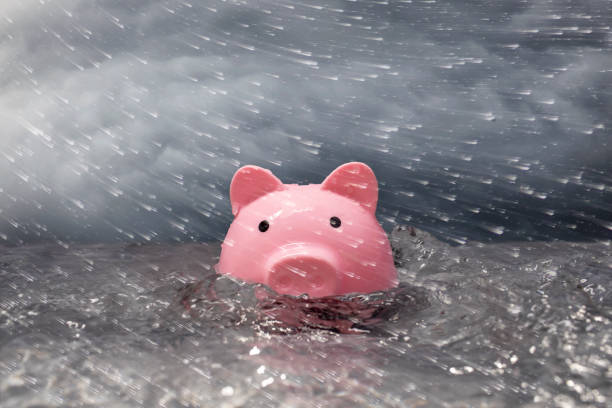
The Line Between Questioning and Drifting: How Healthy Skepticism Differs from Conspiracy Belief
Doubt is not the enemy of certainty; it is the very soil from which certainty grows.

The Paradox of Doubt: When Healthy Skepticism Becomes Its Own Dogma
At the heart of every conspiracy theory lies a genuine impulse: the refusal to accept official narratives without question.


The Chemtrail Phenomenon: Where Healthy Skepticism Ends and Harmful Belief Begins
When you glance up at a clear blue sky and see a jet engine’s white plume spreading slowly into a hazy veil, your mind might flicker with a familiar question: is that normal condensation or something...
The Emotional Threshold: Why Healthy Skepticism Can Slip into Conspiratorial Thinking
The difference between a skeptical citizen and a committed conspiracy theorist is rarely a matter of intelligence or education.

The Psychology of Pattern Recognition: How Our Brain Can Lead Us from Healthy Skepticism to Conspiracy Beliefs
The human brain is a pattern-seeking machine.

Healthy Skepticism vs. Harmful Beliefs: The Psychology Behind Conspiracy Theories
Doubt is a double‑edged sword.