
Skip to Content

Doubt in Relationships and Social Dynamics

How Relationship Doubt Can Become Your Most Powerful Trust-Building Tool

How Relationship Doubt Can Become Your Most Powerful Trust-Building Tool

Every intimate partnership carries a quiet undercurrent of uncertainty.

How to Distinguish Intuition from Insecurity in Romantic Partnerships

How to Distinguish Intuition from Insecurity in Romantic Partnerships

Every person in a committed relationship has felt the sharp sting of doubt at some point.

The Fear of Being ’Too Sensitive’: Overcoming Self-Doubt When Setting Boundaries with Critical People

The Fear of Being ’Too Sensitive’: Overcoming Self-Doubt When Setting Boundaries with Critical People

When someone you love—a partner, a parent, a lifelong friend—consistently points out your flaws, questions your decisions, or dismisses your feelings with a sharp remark, a peculiar kind of doubt begins to fester.

The Art of Framing Doubt as a Collaborative Inquiry in Close Relationships

The Art of Framing Doubt as a Collaborative Inquiry in Close Relationships

When uncertainty arises in a relationship, the instinct is often to suppress it, to smooth over the crack with reassurance or deflection.

The Doubt of Vulnerability: Navigating the Fear That Undermines True Connection

The Doubt of Vulnerability: Navigating the Fear That Undermines True Connection

When we enter a relationship—whether romantic, familial, or platonic—we carry an invisible weight.
The Transformative Power of Doubt in Establishing Boundaries with Critical Partners

The Transformative Power of Doubt in Establishing Boundaries with Critical Partners

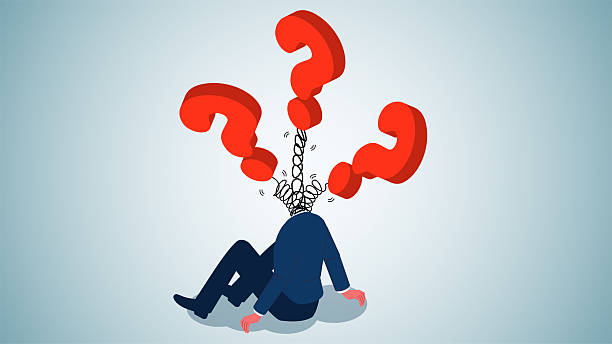
Doubt often arrives as an unwelcome guest in relationships, especially when we are faced with a partner, friend, or family member who seems perpetually critical.

The Herd Within: Overcoming the Fear of Social Isolation to Question Group Norms

The Herd Within: Overcoming the Fear of Social Isolation to Question Group Norms

The human need to belong is one of biology’s most primal scripts.
The Hidden Gift of Saying “I’m Not Sure Yet” in Relationships

The Hidden Gift of Saying “I’m Not Sure Yet” in Relationships

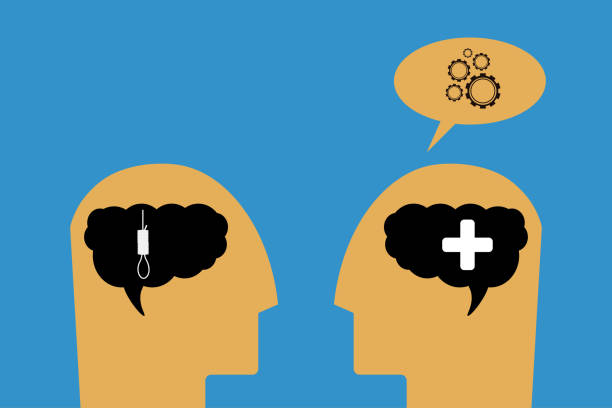
The moment arrives in nearly every meaningful relationship.

The Courage to Be Seen: Transforming Social Doubt into Authentic Connection

The Courage to Be Seen: Transforming Social Doubt into Authentic Connection

Every meaningful relationship begins with a single, terrifying act: the decision to let someone see you as you truly are.

The Paradox of Vulnerability: Why Doubt Can Strengthen Authentic Connections

The Paradox of Vulnerability: Why Doubt Can Strengthen Authentic Connections

We are often taught that doubt is the enemy of connection.

The Art of Sifting: How the Doubt from Overly Critical People Can Fortify Your Boundaries

The Art of Sifting: How the Doubt from Overly Critical People Can Fortify Your Boundaries

When someone you care about levels a sharp critique, the immediate reaction often feels like a punch to the gut.
The Guilt of the Boundary: Navigating Self-Doubt When You Say No

The Guilt of the Boundary: Navigating Self-Doubt When You Say No

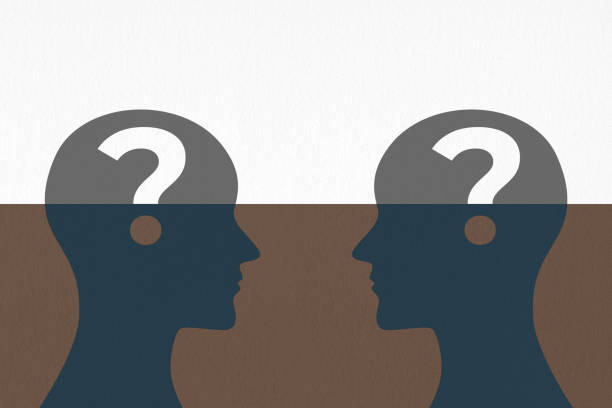
The moment you decide to set a boundary with an overly critical person, a quieter adversary often emerges from within.

Seeds of Doubt

How can I set boundaries with chronic doubters who drain my energy?

Recognize when a discussion is no longer productive. You can set boundaries politely but firmly: “I appreciate you sharing your views. I think we understand each other’s positions, and I don’t think more discussion will change either of our minds right now. Let’s agree to disagree.“ Protect your mental energy by limiting time spent in circular debates. It’s okay to disengage; you are not obligated to be everyone’s unpaid debate partner.

Can a doubter’s challenge ultimately strengthen my self-trust?

Yes, if you frame it as a stress test for your convictions. A doubter forces you to articulate your reasons, examine your evidence, and confront weak points. Successfully navigating this—without crumbling or becoming rigid—proves your resilience. The key is to internalize the process: “I listened, reflected, and my core truth held.“ This builds unshakeable confidence rooted in examination, not just affirmation.

What are the psychological needs that being a doubter might fulfill?

Chronic doubt can fulfill deep psychological needs for safety, control, and identity. It creates a sense of superiority (“I know something others don’t”) and control in an uncertain world. It can protect one from the vulnerability of being wrong or betrayed. For some, a doubter identity fosters belonging within a contrarian community. Ultimately, it can be a defense mechanism against anxiety, creating a predictable narrative where distrust itself becomes the comfort, even at the cost of truth and connection.

What are effective verbal boundaries I can set with a persistent critic?

Be clear, direct, and use “I” statements to own your position. Say, “I appreciate your concern, but I’ve decided to move forward with this,“ or “I’m not looking for feedback on this topic right now.“ For more severe cases: “Your comments are consistently critical, and that’s not helpful to me. I need our conversations to be more supportive.“ This clearly communicates your limits. You are not debating the merit of their opinion; you are stating the terms of your engagement.

What is the core difference between a healthy doubter and a toxic doubter in a relationship?

A healthy doubter questions specific actions or situations to seek clarity and strengthen the partnership, using doubt as a tool for communication. A toxic doubter, however, expresses pervasive, unfounded distrust that undermines the relationship’s foundation. Their doubt is often rooted in personal insecurities or past wounds, not in their partner’s present behavior. The key distinction is intent and impact: healthy doubt builds understanding, while toxic doubt erodes security and connection, often demanding constant reassurance without resolution.