
Skip to Content

Doubt in Relationships and Social Dynamics

The Silent Revolt: How Doubt Can Protect You from the Tyranny of Groupthink

The Silent Revolt: How Doubt Can Protect You from the Tyranny of Groupthink

In every human relationship, from intimate partnerships to sprawling social circles, there exists an invisible current that pulls us toward agreement.
The Art of Discernment: When to Doubt Others and When to Trust in Relationships

The Art of Discernment: When to Doubt Others and When to Trust in Relationships

Every relationship carries an invisible ledger of trust and doubt.

The Courage to Disagree: How Doubt Protects Against Groupthink in Friendships

The Courage to Disagree: How Doubt Protects Against Groupthink in Friendships

In the quiet moments after a group decision is made, a subtle unease can settle in the chest.

The Art of Productive Doubt: Transforming Relationship Insecurity into Deeper Connection

The Art of Productive Doubt: Transforming Relationship Insecurity into Deeper Connection

Doubt in a romantic partnership often arrives uninvited, slipping through the cracks of a seemingly secure bond and whispering questions that erode the foundation of trust.

The Dance of Certainty and Uncertainty: Embracing Doubt as a Tool for Deeper Connection

The Dance of Certainty and Uncertainty: Embracing Doubt as a Tool for Deeper Connection

In the landscape of personal partnerships, doubt is often cast as the villain—a shadowy figure that creeps into the quiet moments between shared laughter and whispered promises.

The Paradox of Certainty: Why Admitting Doubt Strengthens Relationships

The Paradox of Certainty: Why Admitting Doubt Strengthens Relationships

The instinct to project certainty in a relationship is almost primal.

The Strategic Value of Framing Doubt as Curiosity in Relationships

The Strategic Value of Framing Doubt as Curiosity in Relationships

In the landscape of intimate partnerships, few moments feel as precarious as the instant when uncertainty surfaces.
The Strength of Standing Apart: Doubt as a Shield Against Groupthink

The Strength of Standing Apart: Doubt as a Shield Against Groupthink

The human longing for belonging is one of our most powerful drives.

The Art of Saying “I Don’t Know” in a Relationship

The Art of Saying “I Don’t Know” in a Relationship

The most terrifying three words in any relationship are not “I love you” or even “It’s over.” They are “I don’t know.” We have been conditioned to believe that certainty is the currency of trust...
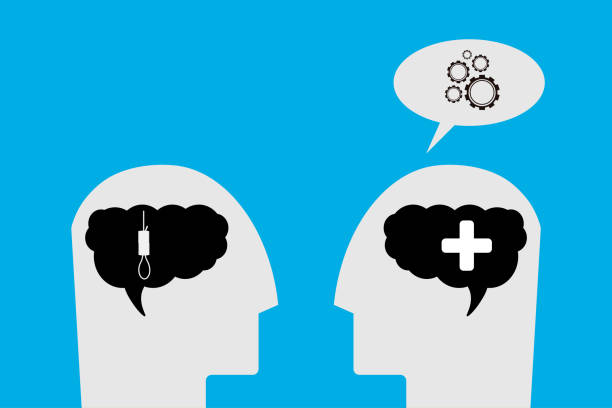
The Art of Productive Doubt: Transforming Insecurity into Deeper Intimacy

The Art of Productive Doubt: Transforming Insecurity into Deeper Intimacy

In the quiet space between two people, doubt often arrives uninvited.

The Art of Strategic Vulnerability: Navigating Doubt to Forge Genuine Bonds

The Art of Strategic Vulnerability: Navigating Doubt to Forge Genuine Bonds

The fear of being seen is often overshadowed by the fear of being unseen.
Seeds of Doubt

Are conspiracy theorists a special type of doubter, and what drives them?

Yes, they represent epistemic doubters—those who doubt official narratives and mainstream sources of knowledge. This is often driven by a deep need for control, meaning, and belonging in a complex world. Conspiracy theories provide simple, alternative explanations that make them feel uniquely informed and part of an in-group. It’s a reaction to powerlessness or trauma, where doubting “the system” becomes central to their identity and sense of understanding reality.

How Can I Address My Own Doubts Before Confronting External Doubters?

Begin by rigorously interrogating your own uncertainty. Ask: “What specific evidence fuels this doubt? What are its potential origins—is it based on a gap in data, a past experience, or an emotional trigger?“ By mapping the doubt’s anatomy, you transform it from a vague feeling into a defined set of questions. This self-clarity is your foundation; it prevents you from projecting internal confusion outward and allows you to articulate the core of the issue rather than just the anxiety around it. You then engage doubters from a place of structured inquiry, not defensive uncertainty.

What are the warning signs that I’m falling into groupthink?

Watch for self-censorship (holding back dissenting opinions), the illusion of unanimity (assuming everyone silently agrees), and direct pressure on dissenters (“don’t rock the boat”). You might also feel a “mindguard” instinct to protect the group from outside information. Regularly check in with yourself: “Am I agreeing because I truly believe it, or for social ease?“ Creating a personal ritual of independent evaluation can help maintain mental autonomy.

How do I avoid becoming my own worst doubter after facing criticism?

Consciously separate external criticism from your internal narrative. Practice self-compassion and fact-check your own negative thoughts. Ask, “Is this my voice or theirs?“ and “What evidence do I have for and against this thought?“ Regularly reaffirm your “why” and celebrate small wins to build positive evidence. Use the experience to strengthen your internal filter, not to internalize the doubt. The goal is to build an inner advocate so strong that external doubt, while heard, cannot easily become your own self-sabotaging belief.

How can I tell if my partner’s doubts are a reflection of their own insecurities?

Notice if their doubts persist despite your consistent, trustworthy actions and clear explanations. Insecurity-driven doubt often shifts focus, moving from one resolved issue to a new, unrelated concern. It may be accompanied by disproportionate emotional reactions, accusations, or a need to control your behavior to alleviate their anxiety. Their doubts likely feel like a moving target, as the core issue is internal—their own fear of unworthiness, abandonment, or betrayal—rather than anything you are actually doing.