
Skip to Content

Doubt in Relationships and Social Dynamics

The Transformative Potential of Doubt in Long-Term Relationships

The Transformative Potential of Doubt in Long-Term Relationships

Doubt in personal partnerships is often treated as an unwelcome intruder, a crack in the foundation that signals impending collapse.

The Courage to Disagree: How Doubt Protects Against Groupthink

The Courage to Disagree: How Doubt Protects Against Groupthink

Every social creature carries an ancient longing to belong.

The Art of Constructive Doubt: Balancing Skepticism and Trust in Partnerships

The Art of Constructive Doubt: Balancing Skepticism and Trust in Partnerships

No relationship exists in a vacuum of absolute certainty.

The Art of Holding Doubt Lightly: Balancing Skepticism and Faith in Love

The Art of Holding Doubt Lightly: Balancing Skepticism and Faith in Love

In the quiet spaces between two people, doubt often creeps in like an uninvited guest.
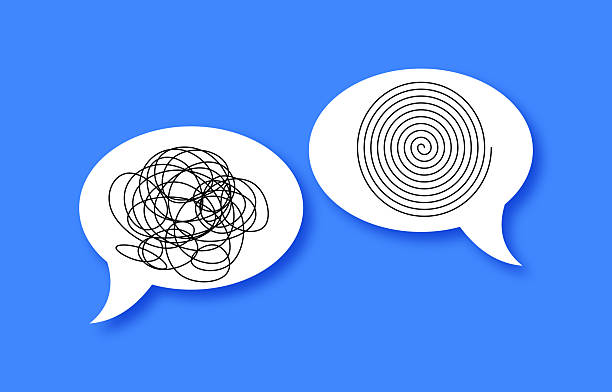
The Power of the Incomplete Sentence in Intimate Conversations

The Power of the Incomplete Sentence in Intimate Conversations

There is a specific moment in every close relationship when doubt arrives not as a roar, but as a whisper.

The Quiet Tyranny of Agreement: Using Doubt to Escape Groupthink in Social Circles

The Quiet Tyranny of Agreement: Using Doubt to Escape Groupthink in Social Circles

The pressure to agree is often invisible, a force that feels less like coercion and more like gravity.

The Paradox of Vulnerability: How Doubt Deepens True Connection

The Paradox of Vulnerability: How Doubt Deepens True Connection

To offer vulnerability is to step onto a stage where the spotlight might reveal not your strength but your frailty.

The Courage to Be Imperfect: How Doubt Fuels Authentic Connection

The Courage to Be Imperfect: How Doubt Fuels Authentic Connection

The most paralyzing doubt in relationships is not the suspicion that your partner might be lying, but the fear that if you reveal your true self, they will walk away.

When Doubt Is a Social Lifeline: Resisting Groupthink in Tight-Knit Communities

When Doubt Is a Social Lifeline: Resisting Groupthink in Tight-Knit Communities

The human desire to belong is one of the most powerful forces in our lives.

The Doubt Compass: Navigating Gaslighting and Trusting Your Internal Reality

The Doubt Compass: Navigating Gaslighting and Trusting Your Internal Reality

The most treacherous territory in any relationship is not the lie itself, but the slow erosion of your ability to recognize truth from fiction.

The Art of Selective Listening: Using Doubt to Filter Overly Critical Voices

The Art of Selective Listening: Using Doubt to Filter Overly Critical Voices

When an overly critical person speaks, the first victim is often your own inner certainty.

The Art of Productive Doubt: How Healthy Skepticism Deepens Partnership Trust

The Art of Productive Doubt: How Healthy Skepticism Deepens Partnership Trust

In every intimate partnership, doubt arrives like an uninvited guest.

Seeds of Doubt

What are the signs that doubt is irreparably damaging the relationship?

Key signs include: a complete breakdown in communication, where attempts to address issues are abandoned; pervasive contempt or resentment replacing affection; one partner becoming emotionally or physically withdrawn indefinitely; and the continual violation of core boundaries despite agreements. When doubt fossilizes into a fixed, negative belief about the partner’s character (“you are a liar”), rather than about a specific event, and no evidence can alter this belief, the foundation for repair may be too damaged.

Is it wrong to cut people off for being doubtful?

It is not wrong to protect your mental and emotional space. Cutting off is a last resort for persistent toxicity, not a first response to simple doubt. First, set clear boundaries. If someone repeatedly disrespects those boundaries with criticism that feels abusive or sabotaging, then limiting or ending contact is an act of self-care. You are not obligated to entertain every opinion, especially those that harm your progress. Empowering yourself sometimes means choosing a supportive environment over constant conflict.

What are effective strategies for communicating with someone who believes in conspiracy theories?

Avoid ridicule, which reinforces their “us vs. them” mindset. Practice empathetic listening to understand the emotional core of their belief (e.g., fear, desire for order). Ask curious, non-confrontational questions about their evidence and how the theory explains events. Gently share alternative viewpoints and highlight common ground, like a shared desire for truth or safety. The goal is not to debunk instantly, but to nurture critical thinking skills and rebuild trust in reliable processes.

What’s a powerful way to model critical thinking without engaging a doubter’s conspiracy?

Use disarming curiosity. Instead of refuting, ask open-ended, non-threatening questions about their process: “That’s an interesting perspective. What evidence would be compelling enough for you to reconsider it?“ This shifts the conversation from clashing conclusions to examining methods of thinking. You model intellectual humility and rigor without getting trapped in fact-based debates they are primed to win.

What is the ultimate cost of choosing to live in constant doubt of others?

The ultimate cost is profound isolation, stagnation, and a life ruled by fear. It severs meaningful connection, as relationships require vulnerability. It halts learning, as you cannot accept new information. It consumes immense mental energy in vigilance and suspicion, leading to anxiety and paranoia. You become imprisoned by your own defenses, missing opportunities for collaboration, love, and growth. While doubt can be a useful tool, as a permanent state, it corrupts your worldview into a hostile place, ultimately eroding your confidence and capacity for joy.