
Skip to Content

Exploring Childhood and Past Experience Influences

The Paradox of Praise: How Early Overvalidation Breeds Self-Doubt

The Paradox of Praise: How Early Overvalidation Breeds Self-Doubt

In the quiet moments of reflection, many adults trace their persistent self-doubt to a critical teacher, a demanding parent, or an unforgettable failure.

The Lasting Weight of Conditional Approval

The Lasting Weight of Conditional Approval

The human mind is not a blank slate at birth but an impressionable landscape, where early emotional interactions carve riverbeds that later shape our thoughts.

The Long Shadow of Childhood Comparisons

The Long Shadow of Childhood Comparisons

The earliest lessons in self-worth are rarely spoken aloud.
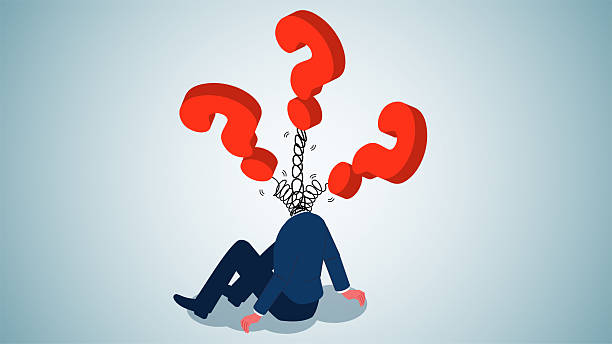
The Echoes of Early Criticism: How Parental Expectations Shape Adult Self-Doubt

The Echoes of Early Criticism: How Parental Expectations Shape Adult Self-Doubt

The voice that whispers you are not enough often has a familiar cadence.

The Silent Legacy: How Early Emotional Neglect Fuels Adult Self-Doubt

The Silent Legacy: How Early Emotional Neglect Fuels Adult Self-Doubt

The adult mind often feels like a fortress built over a foundation laid in childhood, and for many, that foundation contains cracks invisible to the eye yet powerful enough to shape every thought.

The Imprint of Conditional Love: How Childhood Approval Seeking Breeds Self-Doubt

The Imprint of Conditional Love: How Childhood Approval Seeking Breeds Self-Doubt

The human psyche is a landscape shaped by early winds, some gentle and some severe.

The Echoes of Conditional Love: How Childhood Approval Seeking Shapes Adult Self-Doubt

The Echoes of Conditional Love: How Childhood Approval Seeking Shapes Adult Self-Doubt

In the quiet geometry of a childhood bedroom, the first seeds of self-doubt are often planted not by dramatic trauma but by the invisible architecture of conditional love.

The Ghost of Perfectionism: How Childhood Criticism Forges Lifelong Self-Doubt

The Ghost of Perfectionism: How Childhood Criticism Forges Lifelong Self-Doubt

Perfectionism does not arrive fully formed in adulthood.

The Mirror of Childhood: How Early Emotional Neglect Breeds Self-Doubt

The Mirror of Childhood: How Early Emotional Neglect Breeds Self-Doubt

In the quiet hours of reflection, many adults find themselves wrestling with a persistent, gnawing sense of inadequacy.
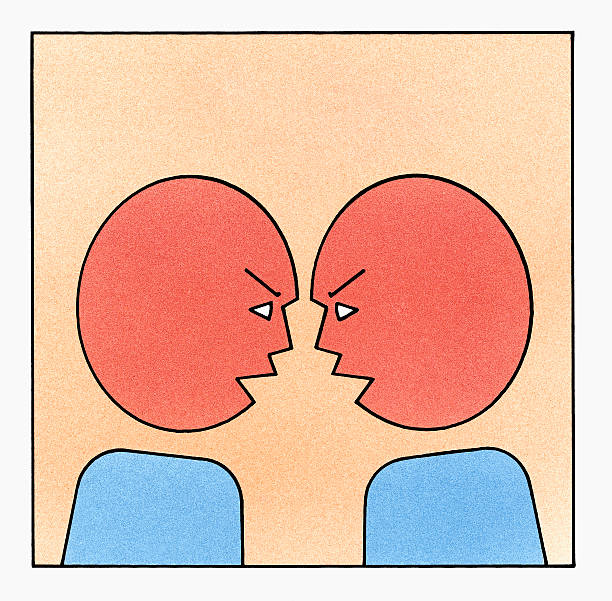
The Hidden Mirror: How Childhood Comparisons with Siblings Forge the Foundation of Self-Doubt

The Hidden Mirror: How Childhood Comparisons with Siblings Forge the Foundation of Self-Doubt

In the quiet geography of the childhood home, the most potent mirrors are not made of glass but of flesh and blood.

The Impostor Syndrome Seed: How Early Praise and Criticism Shape Self-Doubt

The Impostor Syndrome Seed: How Early Praise and Criticism Shape Self-Doubt

The persistent whisper that you are a fraud, that your accomplishments are flukes, and that any moment the world will discover you are not as capable as they believe—this is the hallmark of impostor syndrome.

The Invisible Cage: How a Lack of Childhood Boundaries Fosters Lifelong Self-Doubt

The Invisible Cage: How a Lack of Childhood Boundaries Fosters Lifelong Self-Doubt

The foundation of a confident self is not built on constant praise or unchecked freedom, but often within the safe, predictable structure of healthy boundaries.

Seeds of Doubt

Can overly praised children become adult doubters?

Paradoxically, yes. Excessive, non-specific praise (“you’re a genius!“) can create performance pressure and a fixed mindset. The child may tie their worth to always being exceptional, fearing any challenge that might reveal they’re “ordinary.“ This leads to doubt when facing difficult tasks, as their identity is at stake. They may avoid risks to protect their “smart” label, and their confidence becomes fragile, dependent on constant external validation rather than internal resilience built through effort and struggle.

What role do parental expectations play in creating high-achieving doubters?

When love or approval is contingent on achievement, the child learns their worth is conditional. They become driven by a fear of not measuring up, not by intrinsic joy. Every new challenge then triggers doubt: “Can I succeed again? Will I still be worthy?“ This creates “imposter syndrome,“ where success feels unearned and failure feels catastrophic. The doubter is trapped on a treadmill, where achievement doesn’t build confidence but merely temporarily alleviates the fear of being “found out.“

What is the link between insecure attachment and chronic self-doubt?

Insecure attachment, developed when a caregiver’s response was unpredictable or neglectful, creates a blueprint for relationships and self-view. The child learns that their needs may not be met and that the world is unreliable. This evolves into a deep-seated belief of being unworthy of support or success, fueling chronic self-doubt. In adulthood, this manifests as difficulty trusting one’s own judgment, as the internal “secure base” was never firmly established, leaving one feeling perpetually unstable.

How do past failures or traumas influence our doubt patterns?

The brain is wired to remember negative events for survival. A past failure or trauma can create a powerful neural pathway that associates similar situations with danger. This triggers a doubt response—hesitation, fear, overanalysis—as a protective mechanism to avoid re-experiencing pain. The doubt isn’t about the current task’s difficulty, but an emotional flashback. Recognizing this allows you to separate the past event from the present moment, assessing real risks rather than perceived ones from history.

Why might someone from a chaotic past become a conspiracy theorist?

A chaotic upbringing (instability, betrayal, trauma) can shatter fundamental trust in safe, orderly systems. Conspiracy theories provide a structured narrative that explains chaos and randomness, restoring a sense of control and predictability. They also often identify a clear “enemy,“ which can feel familiar to someone used to navigating adversarial environments. The doubt isn’t in the theory, but is projected outward as extreme skepticism toward official narratives, serving as a psychological defense against the vulnerability of trusting again.