Skip to Content

Identifying Logical Fallacies in Alternative Narratives

The Texas Sharpshooter Fallacy: How Chemtrail Believers Mistake Random Patterns for Evidence

The Texas Sharpshooter Fallacy: How Chemtrail Believers Mistake Random Patterns for Evidence

Imagine a marksman who fires a dozen bullets into the side of a barn, then walks over to the scattered holes and paints a target around the tightest cluster.
The Texas Sharpshooter Fallacy: How Contrail Theorists Mistake Randomness for Conspiracy

The Texas Sharpshooter Fallacy: How Contrail Theorists Mistake Randomness for Conspiracy

Imagine a marksman who fires a dozen bullets into the side of a barn, then walks over and paints a target around the tightest cluster of holes.

The Appeal to Ignorance Fallacy in Vaccine Conspiracy Narratives

The Appeal to Ignorance Fallacy in Vaccine Conspiracy Narratives

One of the most pervasive logical errors lurking within alternative narratives is the appeal to ignorance, a fallacy that exploits the absence of evidence as if it were evidence of absence.
The False Dilemma Fallacy: How Conspiracy Theories Trap You into False Choices

The False Dilemma Fallacy: How Conspiracy Theories Trap You into False Choices

When you encounter a conspiracy theory, you are often presented with a stark ultimatum: either the official story is a complete, deliberate lie, or the conspiracy narrative is the hidden truth.
The Texas Sharpshooter Fallacy: How JFK Assassination Conspiracy Theories Misuse Coincidence

The Texas Sharpshooter Fallacy: How JFK Assassination Conspiracy Theories Misuse Coincidence

The Texas Sharpshooter Fallacy is one of the most insidious logical errors that plague alternative narratives, and few conspiracy theories illustrate it more vividly than those surrounding the...

The Texas Sharpshooter Fallacy: How Cherry-Picked Evidence Distorts Conspiracy Narratives

The Texas Sharpshooter Fallacy: How Cherry-Picked Evidence Distorts Conspiracy Narratives

A shooter fires a dozen rounds into the side of a barn, walks over, and paints a target around the tightest cluster of bullet holes to claim a bullseye.

The False Dilemma Fallacy in Conspiracy Theories: How Binary Thinking Undermines Critical Inquiry

The False Dilemma Fallacy in Conspiracy Theories: How Binary Thinking Undermines Critical Inquiry

When confronted with complex global events, the human mind instinctively seeks clarity.

The False Dilemma Fallacy in 9/11 Truther Narratives

The False Dilemma Fallacy in 9/11 Truther Narratives

The September 11, 2001 attacks remain one of the most scrutinized events in modern history, yet a persistent alternative narrative known as the 9/11 Truther movement continues to attract followers by...
The False Cause Fallacy: How Conspiracy Theories Mistake Correlation for Causation

The False Cause Fallacy: How Conspiracy Theories Mistake Correlation for Causation

When a surprising event occurs, the human mind instinctively searches for an explanation—a clear, satisfying chain of cause and effect.
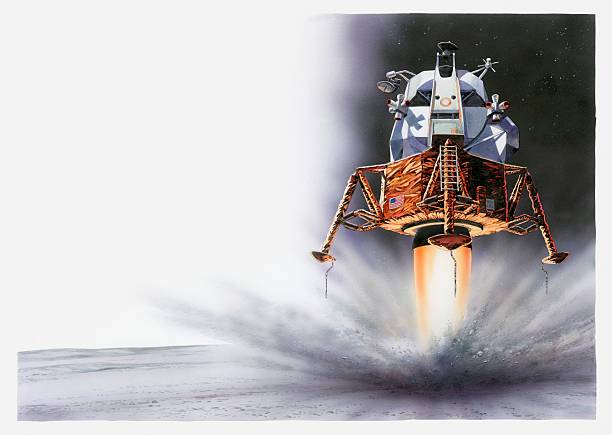
The Texas Sharpshooter Fallacy in Moon Landing Conspiracy Claims

The Texas Sharpshooter Fallacy in Moon Landing Conspiracy Claims

Among the most insidious logical traps that ensnare even intelligent minds is the Texas sharpshooter fallacy, a pattern of reasoning that perfectly illustrates how alternative narratives can...
The Texas Sharpshooter Fallacy: How Conspiracy Theories Create False Patterns

The Texas Sharpshooter Fallacy: How Conspiracy Theories Create False Patterns

In the landscape of alternative narratives, few logical errors are as seductive and destructive as the Texas sharpshooter fallacy.

The Logical Fallacies Behind the Chemtrails Conspiracy Theory

The Logical Fallacies Behind the Chemtrails Conspiracy Theory

One of the most persistent and visually striking conspiracy theories of the modern era is the belief that the white trails left behind by airplanes in the sky are not ordinary condensation contrails...

Seeds of Doubt

Why do people cling to beliefs even when presented with strong counter-evidence?

This is often due to the backfire effect and cognitive dissonance. A belief can become core to one’s identity or worldview. Contradictory facts then feel like a personal attack, triggering defense, not reason. The psychological pain of admitting “I was wrong” can outweigh the logical weight of new evidence. Empowerment comes from decoupling your identity from your ideas, allowing you to evolve your views without feeling diminished.

How does “moving the goalposts” manifest in alternative narratives?

This fallacy occurs when someone continuously changes the criteria for accepting evidence. For example, when a claimed piece of evidence is debunked, the doubter shifts to demand different proof, never defining what would actually satisfy them. It’s a tactic to avoid ever conceding a point. Recognizing this pattern is crucial—it signals a closed narrative, not an open investigation.

How does “cherry-picking” data mislead people?

This fallacy involves selectively presenting only facts that support a position while ignoring a mountain of contrary evidence. It creates a distorted, seemingly plausible narrative. For example, citing a single flawed study while dismissing hundreds of robust ones. Critical thinking requires actively seeking out the full body of evidence, not just the pieces that fit a pre-existing puzzle.

What is the most common logical fallacy used to discredit mainstream sources, and how can I identify it?

The ad hominem fallacy is prevalent, where the source is attacked instead of the argument. A doubter might dismiss climate data by stating, “Those scientists are just paid by the government.“ To identify it, listen for personal insults, allegations of bias without evidence, or attempts to undermine credibility instead of engaging with the facts. Recognize this tactic to separate character assassination from substantive critique, allowing you to focus on the actual evidence and logic presented by any narrative, mainstream or alternative.

How does “post hoc ergo propter hoc” (after this, therefore because of this) fuel conspiracy theories?

This fallacy assumes that because Event B followed Event A, A must have caused B. It confuses correlation with causation. This is foundational to many conspiracy narratives, linking unrelated events into a sinister plot. Harnessing doubt means pausing to ask: “Is there a proven mechanism, or just sequence? What other explanations exist?“