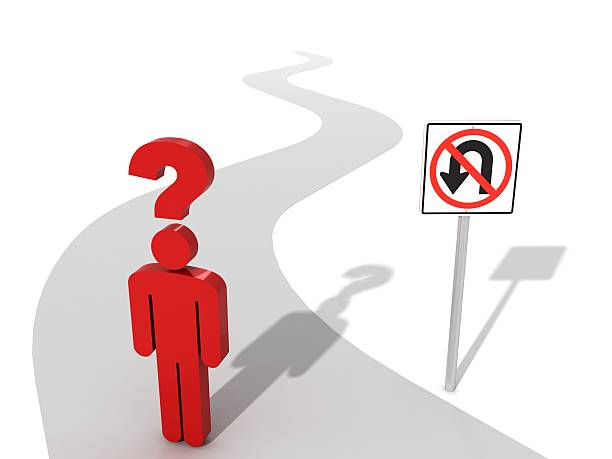
When you encounter a conspiracy theory, you are often presented with a stark ultimatum: either the official story is a complete, deliberate lie, or the conspiracy narrative is the hidden truth. This binary framing feels clean and compelling, but it is a classic logical error known as the false dilemma fallacy. Also called a false dichotomy or either-or fallacy, this error occurs when an argument presents only two mutually exclusive options, ignoring the possibility of a middle ground, multiple alternative explanations, or even the unsettling truth that the full picture may be unknown. Understanding the false dilemma is essential for navigating alternative narratives because it is one of the most common and psychologically seductive traps in conspiratorial thinking.
The false dilemma works by artificially narrowing the landscape of possibilities. In the context of conspiracy theories, the two options are often carefully crafted to make the official explanation seem absurd or insufficient, leaving the conspiracy as the only sensible alternative. For example, a common refrain among those who question the moon landing is: “Either NASA actually faked the landings in a studio, or you are naive enough to believe everything the government tells you.” This framing forces the listener into a corner. The reality, of course, is far more nuanced. There are many possible reasons why some photographs appear inconsistent—such as human error, film processing artifacts, or technical limitations—none of which require a vast fraudulent conspiracy. Yet the false dilemma shuts down that inquiry, making any middle ground seem like intellectual cowardice.
The psychological appeal of this fallacy lies in its simplicity. Human beings crave certainty, especially in times of doubt and confusion. A false dilemma offers a clean, binary choice that cuts through ambiguity. It also exploits a desire for agency; by choosing the conspiracy option, you feel you have seen through the deception, joining a small, enlightened group. The official story is made to appear as the choice of the sheep, while the alternative narrative is the choice of the courageous truth-seeker. No wonder the false dilemma is a favorite rhetorical tool of those who peddle alternative narratives—it armors their story against criticism by framing any challenge as a betrayal of the righteous side.
This fallacy appears across a wide range of conspiracy theories. Consider the 9/11 truther movement: “Either the Twin Towers collapsed from controlled demolition, or you believe the laughable official story about planes and fire.” Again, the middle ground—involving structural failure, the unusual design of the buildings, and the intense heat of jet fuel—is erased. The same pattern repeats in health-related conspiracy theories: “Either vaccines cause autism, or you are ignoring the mountains of evidence of a cover-up.” The possibility that vaccines are safe for the vast majority, but that complex research on autism causation remains incomplete, is not allowed into the conversation. The false dilemma forces a commitment to one of two extremes, and by doing so it prevents the careful, skeptical inquiry that genuine critical thinking demands.
To recognize this fallacy in action, you must train yourself to notice when an argument presents only two choices, especially when those choices are emotionally loaded. Ask yourself: Are there other options? Could both the official story and the conspiracy theory be partially wrong? Could the truth be a messy combination of human error, incomplete information, and natural complexity? By deliberately generating alternative hypotheses, you break the false dilemma’s grip. For instance, instead of “either the government is lying or the conspiracy is true,” you might consider: “Perhaps the government made mistakes but did not actively deceive; perhaps some evidence is misinterpreted; perhaps the conspiracy theory itself contains unfounded leaps.” Each of these is a legitimate third option that does not require you to accept either extreme.
Navigating the false dilemma also requires emotional discipline. The binary framing often triggers a sense of urgency: you must choose now, or you are indecisive. But genuine understanding takes time. Embrace doubt as a tool rather than an enemy. A person who can hold multiple possibilities in mind without rushing to judgment is practicing the very critical thinking that conspiracy theories claim to promote. Ironically, many alternative narratives use the false dilemma to short-circuit that very process. By learning to spot the either-or trap, you reclaim your ability to think in shades of gray.
Ultimately, the false dilemma fallacy is not just a logical misstep; it is a psychological prison. It tricks you into believing that the only path to confidence is a total rejection of one story and a total embrace of another. But real confidence comes from the capacity to tolerate uncertainty, to ask better questions, and to refuse to be boxed into false choices. When you understand this fallacy, you realize that doubt is not a weakness—it is the very thing that protects you from being manipulated by oversimplified narratives. The next time someone tells you there are only two sides to a story, pause. There are almost always more.