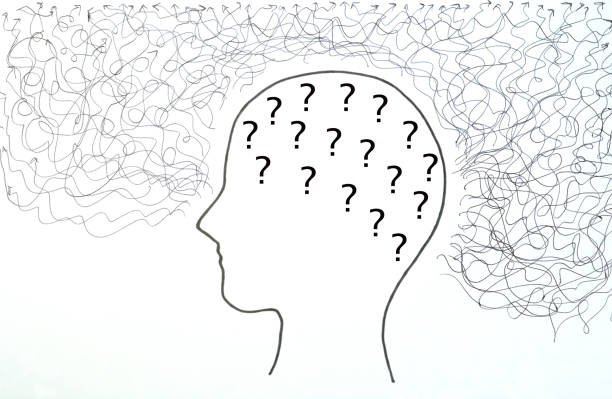
The inner critic has a favorite pastime: replaying the same anxious thought until it becomes a deafening loop. You know the tape—the worry about a conversation you botched, the fear that you are not good enough, the dread of an uncertain future. Each repetition tightens the grip of self-doubt, convincing you that if only you could think harder, analyze more, or prepare better, the anxiety would dissolve. Yet the opposite is true. The more you engage with these thoughts, the stronger they become. Mindfulness offers a different path, one where you do not fight the anxious loop but learn to ride it like a wave, observing its rise, crest, and natural fall without being pulled under.
To ride the wave, you must first understand that anxious thoughts are not directives. They are mental events, electrical impulses that arise from a nervous system trying to protect you from perceived threats. When your inner critic starts its chant, your brain’s alarm system activates, flooding your body with stress hormones. The thoughts feel urgent, true, and unshakeable. But urgency is not evidence. Mindfulness trains you to notice the difference between the thought and the reality it claims to describe. You can step back onto the shore of awareness and watch the wave of anxiety roll in without identifying with it.
The practice begins simply with your breath. When you notice the anxious loop beginning, pause. Place your attention on the sensations of breathing—the cool air entering your nostrils, the gentle rise and fall of your chest, the brief pause at the end of each exhale. You are not trying to make the anxiety disappear. You are giving your mind a stable anchor in the present moment, a place to return to again and again as the thoughts surge. At first, the loop will pull you back in within seconds. That is normal. Every time you notice that you have been swept away and gently return your focus to the breath, you are building a new muscle. This is not failure; it is the very essence of training.
As you become more comfortable with the breath anchor, you can add a technique called noting. When an anxious thought arises, silently label it: “worrying,” “judging,” “catastrophizing,” “remembering.” This simple act creates a small rupture in the thought’s absorption. You are no longer the thought; you are the observer naming it. The label helps you see the pattern for what it is—a recurring mental habit, not a truth. Your inner critic wants you to believe that this particular worry is novel and critical. Noting reveals how repetitive and predictable it actually is. The same worry loops have visited you hundreds of times. They are old guests, not urgent messengers.
Riding the wave also involves changing your physical relationship to anxiety. When the loop intensifies, your body tenses, your shoulders rise toward your ears, your jaw clenches. Bring mindful attention to these sensations. Feel the tightness in your chest, the knot in your stomach, the heat in your face. Instead of trying to relax them away, breathe into them. Imagine your inhale creating space around the sensation, your exhale softening it slightly. This is not forced relaxation but a kind of gentle curiosity. The anxious wave still has its energy, but by staying present with the bodily experience, you prevent it from cascading into a secondary loop of anxiety about anxiety. You are riding the physical wave without adding extra weight.
Crucially, mindfulness is not a weapon against your inner critic. It is a way of holding your experience with compassion. When the anxious loop says, “You are going to fail,” you can respond internally, “There is that fear again. It is doing its best to protect me.” This reframe turns doubt from an enemy into a misguided ally. You are not suppressing the thought or arguing with it. You are acknowledging it, letting it exist, and choosing where to place your attention. Over time, the loop loses its urgency because it no longer triggers a fight. The wave still comes, but you know it will also pass. You have ridden it before, and you can ride it again.
What makes this practice transformative is its cumulative effect. Each time you observe an anxious thought without engaging it, you weaken the neural pathway that fuels the inner critic. You strengthen the prefrontal cortex’s ability to regulate the amygdala’s alarm. You begin to realize that you are not your thoughts. You are the vast ocean beneath the waves, the steady awareness that witnesses all mental weather. This realization is the foundation of unshakeable confidence—not the confidence that comes from silencing doubt, but the deeper confidence that comes from trusting your ability to meet doubt with open, steady attention. The next time the anxious loop begins, you will not panic. You will simply breathe, note, and ride. The wave is temporary. You are not.