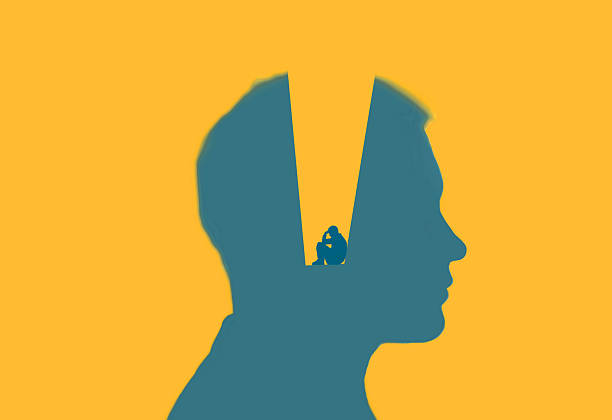
Doubt is not a single voice. It comes in two distinct frequencies: the sharp, analytical hum of skepticism and the quiet, instinctual whisper of intuition. Most people treat these as enemies—skepticism as the cold guardian of truth, intuition as the reckless gambler of the heart. Yet the deepest personal growth emerges not from choosing one over the other, but from learning to hold both in the same hand. This integration is not a compromise; it is a higher form of intelligence that transforms doubt from a paralyzing force into a dynamic engine of clarity.
Skepticism demands evidence. It picks apart assumptions, questions motives, and refuses to accept easy answers. Without it, we fall into magical thinking, conspiracy traps, and self-deception. But skepticism alone can become a cage. The perpetual questioner who never trusts their own gut can spend years in analysis paralysis, trapped in a loop of “what if” while life passes by. Intuition offers speed and pattern recognition honed by experience. It is the body’s knowledge, the flash of insight that bypasses logic. Yet intuition without skeptical oversight can lead to impulsive decisions based on hidden biases or emotional wounds. The key is not to silence either voice, but to create a dialogue between them.
Consider a moment of career doubt. Your skeptical side runs through spreadsheets, risk assessments, and worst-case scenarios. It warns you that leaving a stable job for a creative venture is foolish. Your intuitive side feels a deep pull toward the new path, a sense of rightness that defies the numbers. Which do you trust? The integrated questioner does not dismiss the skepticism. Instead, they ask: What specific fear is my intuition responding to? What data am I ignoring because it contradicts my gut? They treat the intuition as a hypothesis worth testing, not a command. They treat the skepticism as a map, not a jail. This back-and-forth, this respectful interrogation, produces a decision that feels both grounded and alive.
The psychology of this integration is rooted in what modern neuroscience calls dual-process theory. System 1 is fast, intuitive, emotional. System 2 is slow, analytical, deliberate. Most errors in judgment arise when we let System 1 run unchecked or when we overrule it with cold logic that misses context. The integrated thinker learns to pause mid-thought. When a strong intuitive hit surfaces, they ask: Is this pattern recognition from past experience, or is it a cognitive shortcut fueled by fear? When skepticism raises an objection, they ask: Is this a genuine gap in evidence, or am I using logic to avoid an uncomfortable truth? This meta-cognitive habit is the bridge between the two sides.
In practice, integrating skepticism and intuition requires cultivating a specific kind of inner relationship. Imagine them as two advisors in your mind, each with distinct expertise. Skepticism knows data, history, and fallacies. Intuition knows your values, your body signals, and the unspoken energy of a situation. You do not fire one advisor when the other speaks. You listen to both, then synthesize. For example, when faced with a conspiracy theory that triggers intuitive suspicion of authority, your skepticism must test the evidence. But your intuition may be picking up on a genuine systemic injustice that the mainstream narrative ignores. The integration happens when you allow both to refine each other: the intuition points you toward an area worth investigating; the skepticism ensures you do not leap to false conclusions.
One powerful technique for this integration is the “waiting period.” After gathering skeptical data and feeling an intuitive pull, do not decide immediately. Give yourself twenty-four hours. Let the data sit. Let the feeling breathe. In that space, the two voices often merge into a unified sense of knowing—not a loud certainty, but a quiet confidence that acknowledges uncertainty yet moves forward anyway. This is the hallmark of unshakeable confidence: not the absence of doubt, but the ability to act despite doubt because you have honored both the critical and the instinctual.
Ultimately, the goal is not to eliminate the tension between skepticism and intuition. That tension is productive. It is the friction that polishes rough ideas into clear insight. When you learn to hold both, you become a questioner who is neither cynic nor naïf. You become someone who can doubt without collapsing, trust without blinding, and grow without losing your ground. The art of holding both is the art of becoming whole—a person whose doubt is not a weakness but a finely tuned instrument, played with both precision and feeling.