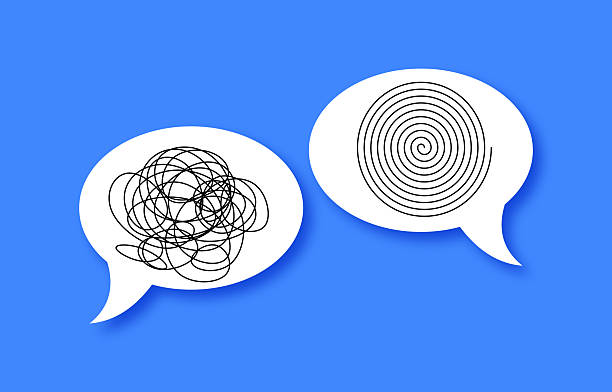
Conspiracy theories thrive on simplification. They reduce complex world events to stark choices: either the official story is true, or a hidden cabal is pulling the strings. This binary framing is a classic logical fallacy known as the false dilemma, or false dichotomy. It presents only two options when many more exist, forcing a decision between extremes and ignoring the nuanced middle ground where most real-world explanations reside. Understanding how the false dilemma operates in alternative narratives is essential for anyone seeking to navigate conspiracy theories with a clear, critical mind.
The false dilemma fallacy is deceptively seductive because it creates a sense of clarity and urgency. When someone claims that “either the government is telling the truth about 9/11, or it was an inside job,” they have artificially narrowed the range of possibilities. In reality, a third option might be that the official account contains some errors or omissions without being a deliberate cover-up, or that a combination of incompetence, miscommunication, and unforeseen circumstances produced the outcome. But the false dilemma dismisses such nuances as irrelevant. This rhetorical trick forces the listener to choose between two unappealing poles, often making the more dramatic alternative seem like the only honest choice.
Conspiracy theorists frequently exploit this fallacy to frame their position as the courageous alternative to a supposed establishment lie. For instance, in discussions about vaccine safety, a common false dilemma is: “Either vaccines are completely safe and effective for everyone, or they are a dangerous tool of population control.” The reality is far more complicated—vaccines have extremely high safety profiles but can have rare side effects, and their efficacy varies with individual health conditions and viral mutations. By presenting only absolute safety or absolute malice, the conspiracy narrative eliminates the middle ground where public health officials actually operate.
Another hallmark of the false dilemma is its use of emotive language to make one option appear unthinkable. In climate change debates, a false dilemma might emerge as: “Either we accept that climate change is a hoax invented by global elites, or we submit to a tyrannical world government.” The listener who rejects the idea of a world government may feel forced to embrace climate denial, even though a third path exists—recognizing that climate change is real but that proposed solutions can be debated on their merits without invoking global conspiracy. The fallacy short-circuits rational deliberation by conflating a scientific fact with a political nightmare.
Identifying a false dilemma requires a pause and a simple question: Are these really the only two possibilities? Often, the answer is no. A critical thinker can break the binary by listing additional alternatives. In the context of a mass shooting, for example, a conspiracy narrative might assert that “either the shooter acted alone, or he was a patsy for a government false-flag operation.” But there are many other plausible explanations: the shooter may have had limited accomplices, he may have been radicalized online without official direction, or he may have been mentally ill with no political motive. By generating a spectrum of possibilities, we defuse the emotional urgency the false dilemma creates.
This fallacy also appears in the way conspiracy theories treat evidence. A believer might argue: “Either you accept every piece of my evidence as proof, or you are willfully blind to the truth.” This is a false choice between full credulity and total denial. In reality, one can examine individual claims with skepticism, accept some while rejecting others, and still remain open to new information. The fallacy pressures the listener into an all-or-nothing commitment, which undermines the nuanced evaluation that honest inquiry demands.
Navigating false dilemmas requires more than just spotting them; it demands a willingness to tolerate ambiguity. Conspiracy narratives often thrive because they promise certainty in an uncertain world. The false dichotomy offers a neat, satisfying answer to complex problems. But real life is messy. Acknowledging that many explanations are possible—and that we may never know the full truth—is a sign of intellectual maturity, not weakness. When we reject the false dilemma, we reclaim the freedom to think in shades of gray, to weigh probabilities, and to adjust our beliefs as evidence evolves.
Ultimately, the false dilemma fallacy is a powerful tool for those who wish to manipulate public perception. By presenting a stark either-or choice, conspiracy theorists can corner listeners into accepting a dramatic narrative that might otherwise seem implausible. Recognizing this pattern is the first step toward breaking free from its grip. The next time you encounter a claim that forces you to choose between two extremes, take a breath and ask: What are the other options? The answer will often reveal a more grounded, less sensational reality—and strengthen your ability to think critically in a world awash with alternative narratives.