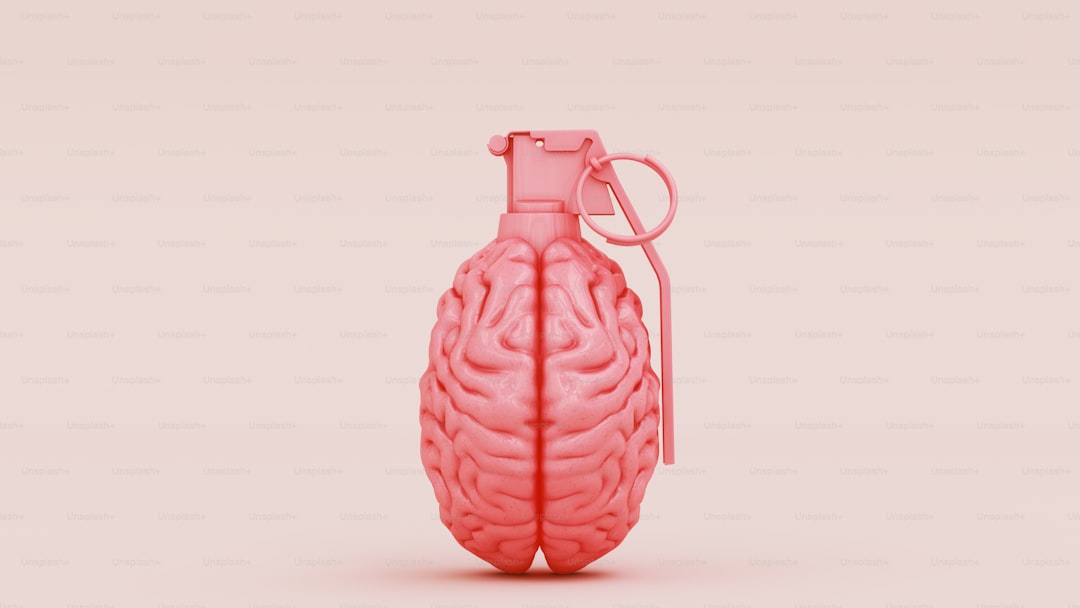
Imposter syndrome is that persistent whisper that tells you your success is a fluke, your credentials are smoke and mirrors, and any day now someone will figure out you don’t belong. At work, this internal critic can be paralyzing, causing high achievers to downplay their accomplishments, avoid stretch assignments, and burn out trying to prove their worth. While conventional advice encourages building self-confidence from within, one often overlooked antidote is the deliberate practice of seeking and internalizing external validation from trusted colleagues. When used correctly, recognition from others is not a crutch but a mirror that reflects a truer image of your competence, gradually rewiring the neural pathways of self-doubt.
The first step in leveraging colleague recognition is understanding why internal validation alone often fails for those with imposter syndrome. The condition is characterized by a persistent belief that one’s achievements are undeserved, accompanied by a fear of being exposed as a fraud. Self-talk strategies—“I am capable,” “I earned this”—can feel hollow because the imposter’s inner narrative is deeply rooted in emotional memory, not rational analysis. Research in cognitive behavioral psychology suggests that external, concrete evidence is more effective at challenging dysfunctional beliefs than abstract affirmations. When a peer or supervisor says, “Your analysis on that project shifted the team’s strategy,” it lands differently than a mantra whispered in the mirror. That external voice is a datapoint your brain cannot easily dismiss.
To make this practice effective, you must become intentional about gathering feedback, not waiting passively for it. Many imposters avoid asking for input because they fear confirmation of their inadequacy. But a simple, structured request can break the cycle. For instance, after delivering a presentation or completing a difficult task, ask a trusted coworker specifically: “What did you see me do that worked well?” This question forces the other person to articulate concrete behaviors, not vague praise. Record the responses in a “recognition log”—a private document you can revisit when doubt strikes. Over time, this log becomes a repository of evidence that contradicts your imposter narrative. You are not bragging; you are collecting data.
Another powerful mechanism is the peer-to-peer recognition culture that many organizations now promote. Tools like praise boards, shout-outs in team meetings, or internal messaging channels where colleagues celebrate wins can serve as public validation. For someone with imposter syndrome, a public acknowledgment from a respected peer carries weight because it is unsolicited and witnessed by others. This social proof can be more convincing than a private compliment. If you notice you are uncomfortable with public recognition, lean into it deliberately. Thank the person sincerely and resist the urge to deflect with “It was nothing” or “Anyone could have done it.” Instead, say, “I appreciate you noticing that. It means a lot coming from you.” Each time you accept praise without diminishing it, you weaken the neural habit of self-dismissal.
However, external validation must be filtered carefully. Not all recognition is equal. Feedback from a colleague who does not understand your role or from a manager who is prone to flattery may reinforce your suspicion that people are just being nice. To counter this, calibrate your sources. Identify one or two colleagues whose judgment you trust because they are honest, discerning, and have seen your work under pressure. Their opinion becomes a credible benchmark. When they affirm your contributions, the information is harder to reject as mere politeness.
The ultimate goal is not to become dependent on others for your self-worth but to use external data to supplement and eventually correct your internal model. Think of it as cross-referencing a faulty map with real-world landmarks. Each piece of credible recognition is a landmark that says, “You are here. You are this.” Over time, your inner critic loses its monopoly on the truth. You start to notice patterns: the same strengths praised repeatedly, the same skills that colleagues rely on. These patterns form a more objective self-portrait.
One caution: do not confuse external validation with seeking approval as a means of self-soothing. The difference is intention. If you fish for compliments to stanch anxiety, you remain trapped in a cycle of dependency. But if you collect feedback as a scientist collects data—curiously, without judgment—you transform recognition into a tool for growth. The scientist does not need every sample to prove the hypothesis; they just need enough reliable evidence to shift the probability.
For a professional wrestling with imposter syndrome, the path often feels lonely. But the workplace is a social ecosystem, and other people see your contributions more clearly than you do. Their eyes are not clouded by your inner critic. By intentionally gathering, recording, and reflecting on their recognition, you create an external witness that slowly outshouts the voice of doubt. You learn that confidence is not the absence of self-doubt but the coexistence of doubt with a mountain of evidence that you are, in fact, capable. And that evidence often comes from the people who work beside you every day.