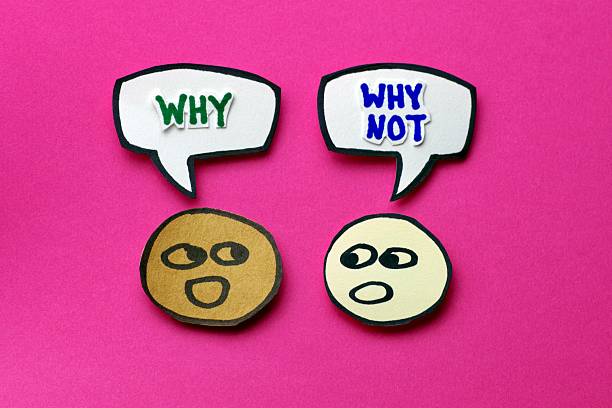
The conference room falls silent. You have an idea—a genuinely good one—that could solve the recurring bottleneck in your team’s workflow. Your heart pounds, your palms grow damp, and a familiar voice inside whispers, “What if you’re wrong? What if they think it’s stupid? Better to stay quiet than risk looking foolish.” So you nod along as the meeting moves on, and that idea remains locked inside you, untested and unborn. This moment of self-censorship is not a minor personal failure; it is a quiet professional tragedy repeated millions of times every day. The doubt that stops us from speaking up is often mistaken for humility or caution, but in reality, it is the most expensive tax we pay on our own potential.
The root of this silence is rarely a lack of intelligence or insight. It is a deeply ingrained fear of social rejection, amplified by workplace cultures that inadvertently punish vulnerability. Many professionals operate under the unspoken rule that ideas must be polished, bulletproof, and universally applauded before they are voiced. This creates a paradox: the very doubt that could refine an idea through feedback becomes the wall that keeps it hidden. We forget that every bold proposal, every transformative suggestion, began as a half-formed thought that someone had the courage to speak aloud while still feeling uncertain.
One of the most effective ways to loosen the grip of this doubt is to reframe your relationship with being wrong. Rather than treating a flawed idea as a mark of incompetence, view it as a data point in a collaborative discovery process. The most innovative teams in the world are not composed of people who never make mistakes; they are composed of people who share their half-baked notions early, fail fast, and iterate together. When you speak up with a partially developed thought, you are not demonstrating weakness—you are extending an invitation for others to build with you. This shift from a performance mindset to a learning mindset lowers the emotional stakes of every contribution.
Another powerful antidote is to separate your identity from your ideas. When you say, “That idea was bad,” it feels different from saying, “I am bad because my idea failed.” Practice detaching your self-worth from the reception of your proposals. The most confident communicators are not those whose ideas never get rejected; they are those who can hear a “no” without feeling personally diminished. They understand that a rejected suggestion is simply an opportunity to refine or redirect, not a verdict on their value as a professional.
The physical act of speaking up also requires addressing the physiological symptoms of doubt. Shallow breathing, a racing heart, and a tight throat are natural stress responses that can be managed with simple techniques. Before you speak, take a slow, deliberate breath and exhale longer than you inhale. This activates the parasympathetic nervous system and signals safety to your brain. You can also adopt a grounding anchor—press your feet firmly into the floor or place a hand on your thigh. These small actions remind your body that you are in control, even when your mind feels uncertain.
Workplace dynamics further complicate this challenge. Hierarchy, team culture, and past experiences of being dismissed all contribute to the doubt that silences you. If you work in an environment where ideas are shot down harshly, your self-doubt is not irrational—it is a learned survival mechanism. Yet even in such settings, there are strategic ways to speak up. Begin by asking a question rather than making a statement: “What if we tried something like this?” invites curiosity instead of judgment. Frame your idea as a testable hypothesis: “I’m not sure this will work, but I’d love to run a quick experiment to see.” This approach lowers your perceived risk while maintaining your credibility.
The long-term cost of staying silent far outweighs the temporary discomfort of speaking up. Each time you withhold a thought, you reinforce the belief that your voice does not matter. Over time, this erodes not only your confidence but also your career trajectory. The people who advance are not necessarily the most brilliant; they are the ones who are seen and heard consistently. Visibility is built through repeated acts of contribution, and each contribution—even the imperfect ones—strengthens your reputation as someone who engages, thinks, and cares enough to participate.
Ultimately, the doubt that holds you back is not an enemy to be vanquished. It is a signal that you are about to step into growth. The next time that familiar whisper tries to convince you to stay quiet, acknowledge it with compassion. Then speak anyway. Your idea may be refined, redirected, or even rejected—but the act of offering it will forge a deeper trust in your own judgment. And that trust is the foundation of unshakeable confidence.