Skip to Content

Underdogs: Overcoming Doubt to Win

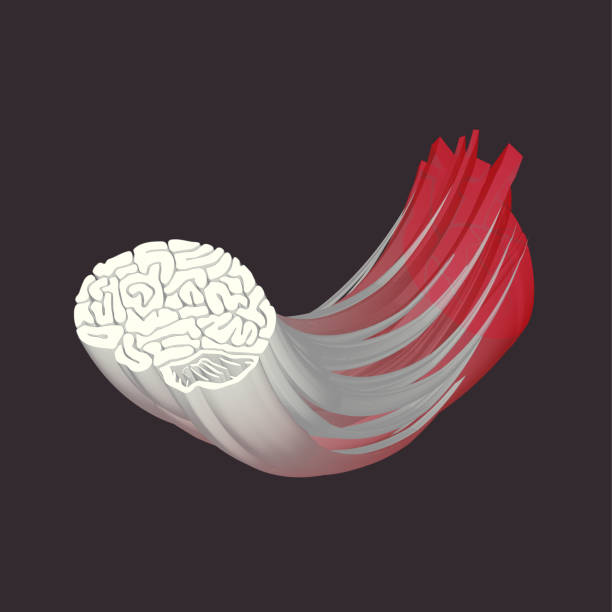
The Underdog’s Secret Weapon: Visualization as a Neural Rewiring Tool

The Underdog’s Secret Weapon: Visualization as a Neural Rewiring Tool

Every underdog knows the feeling of standing at the starting line, heart thrumming against the ribs, while the favored opponent stretches with an ease that seems to mock your own trembling hands.

The Scoreboard Lies: How Process Focus Empowers Underdogs to Overcome Doubt

The Scoreboard Lies: How Process Focus Empowers Underdogs to Overcome Doubt

For every underdog who has ever stared down a seemingly insurmountable opponent, the first battle is never fought on the field, the stage, or the marketplace.

The Underdog’s Secret Weapon: Turning Preparation Into Unshakeable Confidence

The Underdog’s Secret Weapon: Turning Preparation Into Unshakeable Confidence

It is a paradox that the most daunting opponents we face are never across the ring or stage, but inside our heads.

The Art of Showing Up: How Underdogs Win by Mastery, Not Metrics

The Art of Showing Up: How Underdogs Win by Mastery, Not Metrics

The underdog’s greatest enemy is not the opponent across the arena, nor the looming deadline, nor the stacked odds.

The Underdog’s Secret Weapon: Visualization for Rewiring Doubt into Determination

The Underdog’s Secret Weapon: Visualization for Rewiring Doubt into Determination

Every underdog knows the weight of doubt.

The Underdog’s Neural Symphony: How Visualization Rewires Doubt into Dominance

The Underdog’s Neural Symphony: How Visualization Rewires Doubt into Dominance

Every underdog carries a secret weight—the nagging whisper that the odds are too steep, the competitors too strong, the past failures too vivid.
The Underdog’s Alchemy: Transforming Shared Doubt into Unshakeable Team Belief

The Underdog’s Alchemy: Transforming Shared Doubt into Unshakeable Team Belief

In the crucible of competition, underdog teams are defined by a singular, pervasive emotion: doubt.

When Doubt Becomes Your Edge: The Underdog’s Pressure Advantage

When Doubt Becomes Your Edge: The Underdog’s Pressure Advantage

The weight of expectation is a curious thing.

The Underdog’s Creed: Transforming Shared Doubt into Collective Resilience

The Underdog’s Creed: Transforming Shared Doubt into Collective Resilience

In every arena where the odds are stacked against a group, from startup garages to losing locker rooms and marginalized movements, a strange paradox emerges.

The Art of the Clutch: How Underdogs Transform Pressure into a Privilege

The Art of the Clutch: How Underdogs Transform Pressure into a Privilege

There is a moment every underdog knows intimately.

The Alchemy of Skepticism: Transforming External Doubt into Unstoppable Drive

The Alchemy of Skepticism: Transforming External Doubt into Unstoppable Drive

Every underdog has heard the same whispered refrain long before they ever step onto the stage.

Seeds of Doubt

What is the ultimate mindset shift for an underdog?

Shift from seeking validation to embracing ownership. The underdog’s power lies in having nothing to lose and everything to prove—to themselves. See doubt not as a threat, but as a sign you’re pushing boundaries. Your mission becomes your north star, more compelling than any critic’s voice. This mindset transforms the journey from “Will they believe me?“ to “I will become undeniable.“ Victory, then, is not just an outcome, but the unshakeable self-trust forged in the process.

Why do people project their own doubts onto others?

Projection is a common psychological defense mechanism. When individuals feel insecure about their own abilities, choices, or beliefs, they may unconsciously attribute those doubts to someone else. By voicing skepticism about your path, they externalize their internal conflict. Recognizing this allows you to see their doubt not as a critique of your plan, but as a reflection of their own fears. This perspective transforms their comment from a personal attack into an insight into their mindset, which you can choose to empathize with but not internalize.

How can I use external doubt as fuel for motivation?

Transform doubt into a powerful energy source by adopting a “prove them wrong” mindset. Let the skepticism of others add a layer of defiant determination to your discipline. Channel the emotional reaction into focused action, using it as a reminder of why you started. Document the doubts and revisit them as milestones are achieved. This process converts negative energy into a tangible driver, making your eventual success a testament to your resilience.

Can doubt ever be a useful tool?

Absolutely. Harnessed correctly, doubt is the engine of critical thinking and resilience. It prompts you to pressure-test your plans, identify weak points, and build stronger strategies. Healthy self-doubt prevents arrogance and encourages preparation. The key is to move from passive doubting (fear-based) to active questioning (curiosity-based). Ask “What if I’m wrong?“ not to stop, but to fortify. This transforms doubt from a barrier into a rigorous quality-check system for your ambitions.

How can I use doubt as a tool to strengthen my own plans?

Use external doubt as a stress test for your ideas. Each skeptical question is a potential weak point you can proactively reinforce. Ask yourself: “If they doubt this part, how can I make it undeniably solid?“ This process forces deeper research, contingency planning, and stronger rationale. Document the doubts and systematically address them in your plan. This doesn’t mean changing your goal to please others, but rigorously pressure-checking your approach until your own conviction is fortified against any challenge.