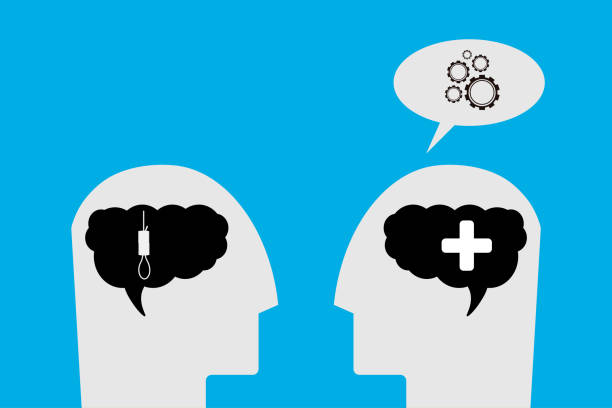
The Art of Productive Doubt: Transforming Insecurity into Deeper Intimacy
In the quiet space between two people, doubt often arrives uninvited.
The Art of Strategic Vulnerability: Navigating Doubt to Forge Genuine Bonds
The fear of being seen is often overshadowed by the fear of being unseen.

Falsification: The Scientific Method’s Gift for Transforming Doubt into Discovery
Doubt is often portrayed as an enemy of certainty, a saboteur of confidence, and a barrier to action.

The Value of Including Discredited Theories in Your Doubt Library
To build a healthy identity as a questioner is to understand that doubt is not a weakness to be overcome but a muscle to be strengthened.
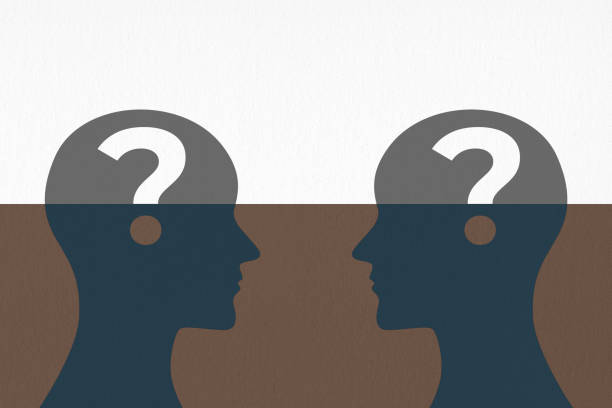
The Art of the Future Doubt Dialogue: Communicating Uncertainty in Your Relationship
The silence was suffocating.

The Transformative Potential of Doubt in Long-Term Relationships
Doubt in personal partnerships is often treated as an unwelcome intruder, a crack in the foundation that signals impending collapse.

The Art of Rehearsal: How Simulation Builds Confidence for Underdogs
When the spotlight hits and the stakes are highest, the underdog does not rise on raw talent alone.

When Your Child Asks About the Problem of Evil
The question arrives without warning, often after a news report, a schoolyard story, or a quiet bedtime moment.

The Myth of Cortés and the Fall of Tenochtitlan: Questioning the Narrative of European Superiority
Every schoolchild in the Western world learns a neat story: in 1519, a bold Spanish conquistador named Hernán Cortés landed on the coast of Mexico with a few hundred men, outwitted an entire empire...

The Paradox of Certainty: Why Teenagers Need Permission to Question Their Faith
Adolescence is a season of seismic internal upheaval.
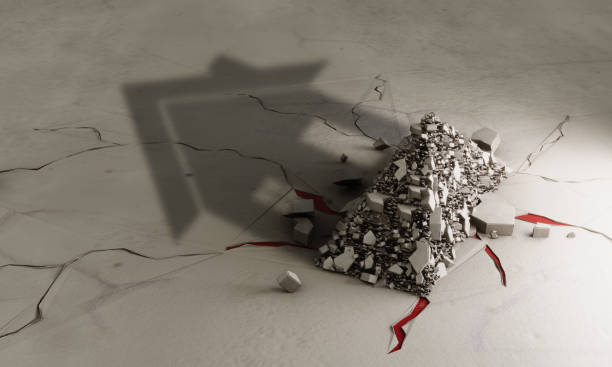
The Gift of Uncertainty: How Deconstructing Believers Can Find God in the Questions
For many who have walked the path of faith for years, deconstruction arrives not as a choice but as an earthquake.
The Power of Doubt in Reexamining Historical Narratives and Cultural Myths
Every society carries a collection of stories that are rarely questioned—the official version of a nation’s founding, the heroic tales of its ancestors, the traditions that define “how things have...

From Rejection to Triumph: Embracing Pressure as the Underdog’s Secret Weapon
The kid who gets cut from the team learns something that the star player never will.
Embracing Uncertainty: How to Think in Probabilities Instead of Certainties
The human mind craves certainty.

The Illusion of Control: How Perfectionism Creates Self-Doubt
Perfectionism wears a convincing disguise.
The Art of the Null Hypothesis: How Doubting Default Assumptions Strengthens Science
At the heart of the scientific method lies a deceptively simple question: What if the opposite is true? This question, formalized as the null hypothesis, is one of the most powerful tools for anyone...
The Tyranny of “Perfect”: How All-or-Nothing Thinking Fuels Self-Doubt
Perfectionism is often mistaken for a virtue, a badge of high standards and relentless ambition.

The Replication Crisis: Why So Many Studies Fail the Test of Time
You read a headline: “New Study Shows That Eating Chocolate Doubles Your Brain Power.” It feels true because you want it to be true.

The Art of Constructive Doubt: Turning Uncertainty into Purposeful Action
Doubt arrives without warning, a quiet intruder that second-guesses every decision and clouds every clear path.
When Certainty Cracks: Helping Teens Rebuild After a Faith Crisis
Adolescence is a season of seismic shifts.
The Triple Column Technique: An Evidence-Based Exercise to Silence Your Inner Critic
The inner critic is a relentless voice that thrives on distortion, feeding self-doubt with exaggerated fears, all-or-nothing judgments, and catastrophic predictions.

The Questioner’s Compass: How to Turn Paralysis into Purposeful Action
Doubt, for many, is a doorstop.

The Courage to Disagree: How Doubt Protects Against Groupthink
Every social creature carries an ancient longing to belong.

The Neuroplasticity of Hope: How Underdogs Rewire Their Brains Through Visualization
The underdog’s journey is not merely a story of grit and luck; it is a neurological transformation.