
The Art of Bayesian Thinking: How to Update Beliefs Without Losing Your Mind
Imagine you are walking through a dark forest.

The Epicurean Paradox: Reconciling a Good God with Cosmic Suffering
Among the most enduring and emotionally charged intellectual doubts that haunt the religious mind is the problem of evil, often framed through the lens of the Epicurean Paradox.
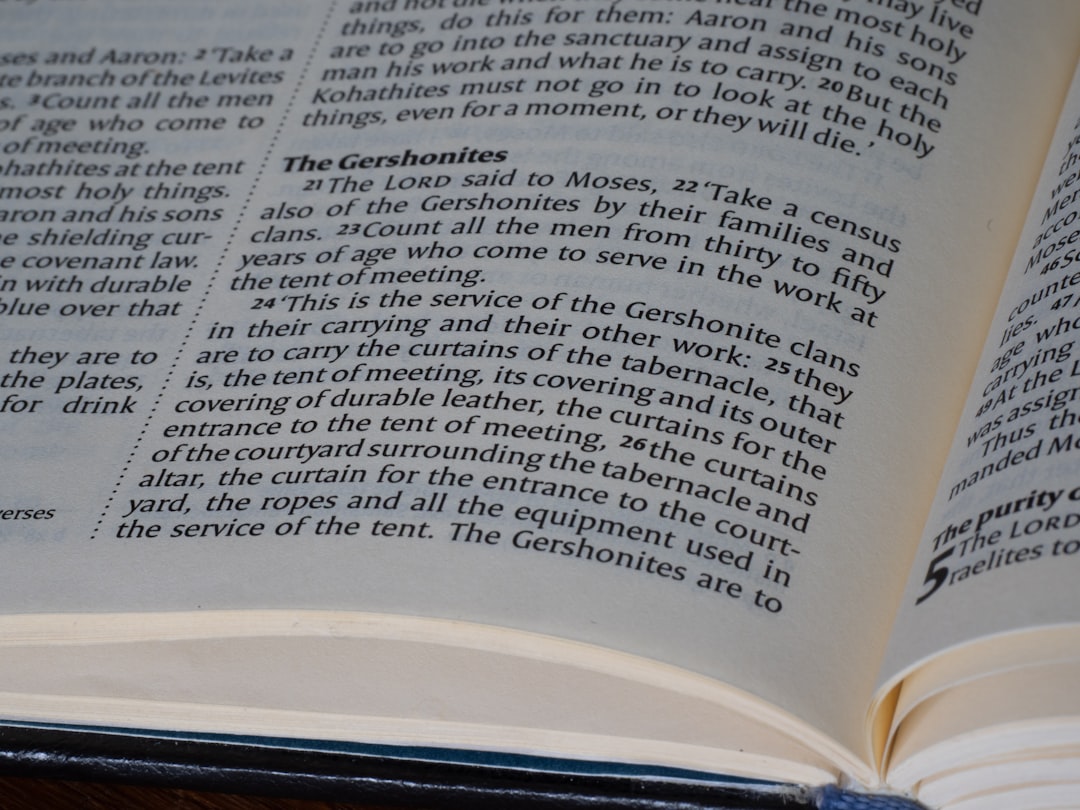
The Doubt That Remade the World: Questioning Indulgences and the Birth of the Reformation
In the early sixteenth century, a quiet but persistent doubt began to gnaw at the conscience of a German monk named Martin Luther.

The Paradox of Certainty: Why Sharing Your Leadership Doubts Builds Unshakeable Team Trust
The pressure to project unwavering certainty is one of the most silent burdens a leader carries.
The Hidden Trigger of Self-Doubt: Unacknowledged Emotional Baggage from Past Failures
Self-doubt rarely arrives unannounced.

How to Help a Child Who Doubts Their Intelligence: Reframing the Inner Critic
When a child looks up from a math worksheet and says, “I’m just not smart enough,” or a teenager stares at a B+ on a history essay and mutters, “I’ll never be good at this,” something more than...
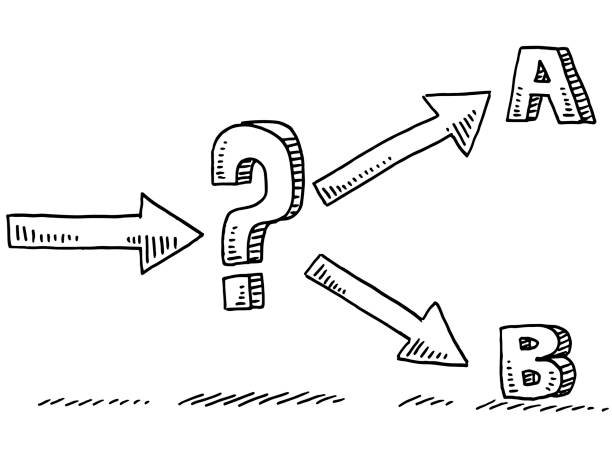
Bayesian Updating: The Art of Revising Beliefs with Evidence
Imagine you are walking through a forest and hear a rustle in the bushes.

Questioning the Self: Using Socratic Inquiry to Confront Existential Doubt
The gnawing question “Who am I, really?” often strikes at the most inconvenient moments—during a quiet evening, after a career milestone, or in the midst of a relationship shift.

The Questioning of Geocentrism: How the Doubt That Shook the Heavens Propelled Modernity
For centuries, the cosmos appeared orderly and reassuring.

The Architecture of Suspicion: Deconstructing the Pattern-Recognition Framework in Conspiracy Theories
Every human mind is a pattern-seeking machine.
When Your Child Asks “But How Do You Know?“ The Power of Epistemic Humility
The dinner table falls silent.

The Beat Generation: How Doubt Fueled a Countercultural Renaissance
In the gray dawn of postwar America, a small but incendiary group of writers, poets, and wanderers began to voice a radical kind of doubt—not just doubt of authority, but doubt of the entire...

Doubt as a Virtue: Lessons from Montaigne’s Skepticism
The sixteenth-century essayist Michel de Montaigne presents a radical alternative to the way we typically think about doubt.

Finding Your People When the Old Church No Longer Fits
The moment you begin questioning foundational beliefs, a silence often descends.

The Silent Saboteur: How Childhood Praise Can Plant the Seeds of Imposter Syndrome
The moment arrives without warning.

The Threshold of Enough: How to Know When Doubt Has Done Its Work
Doubt is a muscle that can either strengthen or exhaust the mind.

Embracing Productive Uncertainty: When to Let Intuition Lead and When to Demand Proof
The human mind is a battlefield where two opposing generals constantly vie for command.
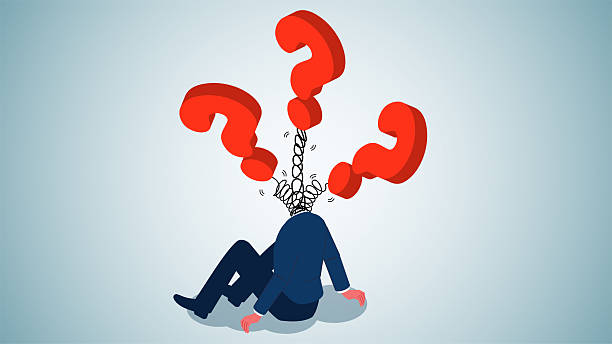
Lateral Reading: A Critical Skill for Disarming Conspiracy Theories
The modern information landscape is a paradox of abundance and scarcity.

The Alchemy of Adversity: How Shared Struggle Forges Unbreakable Team Bonds
When a team of underdogs faces external doubt—from critics, competitors, or the cold arithmetic of statistics—they stand at a crossroads.

The Socratic Method: How Ancient Doubt Forged Unshakeable Confidence
In the bustling agoras of ancient Athens, a man with a clay pot and an unrelenting series of questions became the most dangerous and most liberating force in Western thought.

The Paradox of Certainty: How Intellectual Humility Turns Doubt into Strength
We live in an age that worships certainty.
The Danger of Small Samples: Why We Must Question P-Values and Statistical Significance
When a headline announces that a new study has found a miraculous cure or a surprising link between behavior and health, the natural impulse is to accept the finding as fact.

The Socratic Method: A Philosophical Exercise for Radical Self-Inquiry
Doubt, when approached with deliberate structure, becomes a scalpel for dissecting the very assumptions that underpin identity, belief, and purpose.

The Silent Saboteur of Growth: How Imposter Syndrome Distorts Feedback and What to Do About It
In the quiet moments after a project completes, a familiar discomfort often settles in.