
The Body’s Signal Code: How to Distinguish Fear from Intuition
Every decisive moment in life arrives wrapped in physical sensation.

The Intellectual Crucible: Wrestling with Suffering as a Path to Deeper Faith
No intellectual doubt about religious belief strikes with more visceral force than the problem of suffering.
The Fine Line Between Shared Inquiry and Echo Chambers in Questioner Communities
To seek out a community of fellow questioners is to embark on a paradox.
The Problem of P-Hacking: Why Many Published Findings Might Be Wrong
When a scientific study makes headlines with a startling claim—chocolate helps you lose weight, or a new drug reverses aging—the natural response is to feel a flicker of excitement.

The Anchor of Breath: How Mindfulness Silences the Inner Critic
The inner critic does not announce itself with a trumpet blast.

The Catastrophe Trap: How Catastrophizing Fuels Self-Doubt and How to Break Free
Imagine you send a text to a friend and do not receive an immediate reply.

The Tension Between Ancestral Faith and Individual Revelation
Every spiritual seeker eventually confronts a quiet but persistent friction: the inherited rituals, prayers, and beliefs passed down through generations feel both like a cradle and a cage.
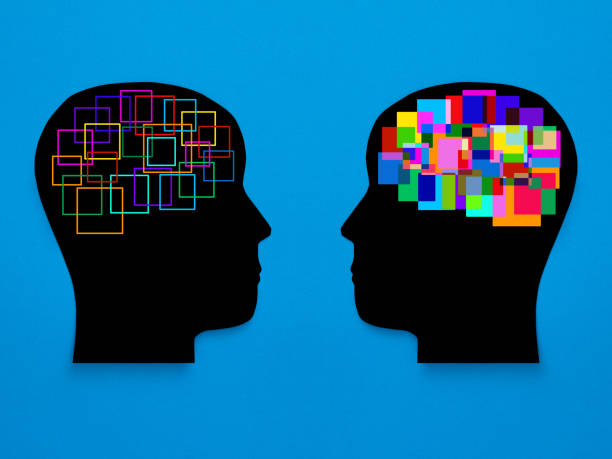
The Psychology of Source Credibility: Why We Trust the Wrong Voices
Understanding why people instinctively trust unreliable sources while dismissing credible ones is essential to developing media literacy in an age of rampant conspiracy theories.

How to Design Affirmations That Rewrite Your Inner Critic’s Script
The voice of the inner critic is not a monologue.

The Gift of Holy Uncertainty: Embracing Doubt as Spiritual Practice
For the believer engaged in the slow, often painful work of deconstruction, doubt can feel like a betrayal.

The Problem of the Criterion: How Ancient Skepticism Reveals the Trap of Certainty
Every search for knowledge begins with a quiet, often unacknowledged question: How do I know that I know? This is not merely a pedantic exercise for cloistered philosophers.
The Invisible Hand: How to Evaluate Anonymous Sources in Conspiracy Theories
Every conspiracy theory worth its salt begins with a whisper.

The Paradox of Certainty: Embracing Doubt as the Bridge Between Skepticism and Intuition
The human mind is a house divided.

The Misunderstood P-Value: Why Statistical Significance Doesn’t Mean Truth
In the modern age of information, scientific studies flood our feeds, headlines, and conversations.
The All-Explanatory Framework: Why Conspiracy Theories Resist Disproof
A defining characteristic of many popular conspiracy theories is their structural invulnerability to counterevidence.
The Brain in a Vat Hypothesis: Embracing Radical Skepticism to Forge Certainty
Imagine you are nothing more than a brain floating in a vat of nutrients, connected to a supercomputer that feeds you every sensation, thought, and memory you have ever experienced.
Doubt as a Springboard: Turning Paralysis into Purpose
The moment you stop treating doubt as an enemy and begin honoring it as a guide, the entire landscape of your inner life shifts.

The Art of Constructive Doubt: Balancing Skepticism and Trust in Partnerships
No relationship exists in a vacuum of absolute certainty.
The Socratic Parent: Guiding Children Through Doubt with Questions, Not Answers
The child asks why the sky is blue, and the parent, armed with a smartphone, delivers a tidy explanation about Rayleigh scattering.

Affirmations as Experiments: How to Test Your Inner Critic’s Claims
The classic advice to repeat “I am confident” in front of a mirror often backfires.
Correlation Is Not Causation: How Spurious Connections Fuel Junk Science
Every day, social media feeds, news headlines, and even well-meaning conversations present us with a tantalizing pair of facts: ice cream sales rise, and so do drowning rates.

The Illusion of the Self: How Buddhist Anatta Challenges Western Identity
The question of who we are lies at the heart of philosophical and existential doubt.
The Skeptic’s Intuition: When Questioning Deepens Knowing
The human mind is a battlefield where two opposing forces often clash: the sharp, analytical blade of skepticism and the quiet, whispering voice of intuition.
Embracing Pressure as a Privilege: How Underdogs Turn Doubt into Dominance
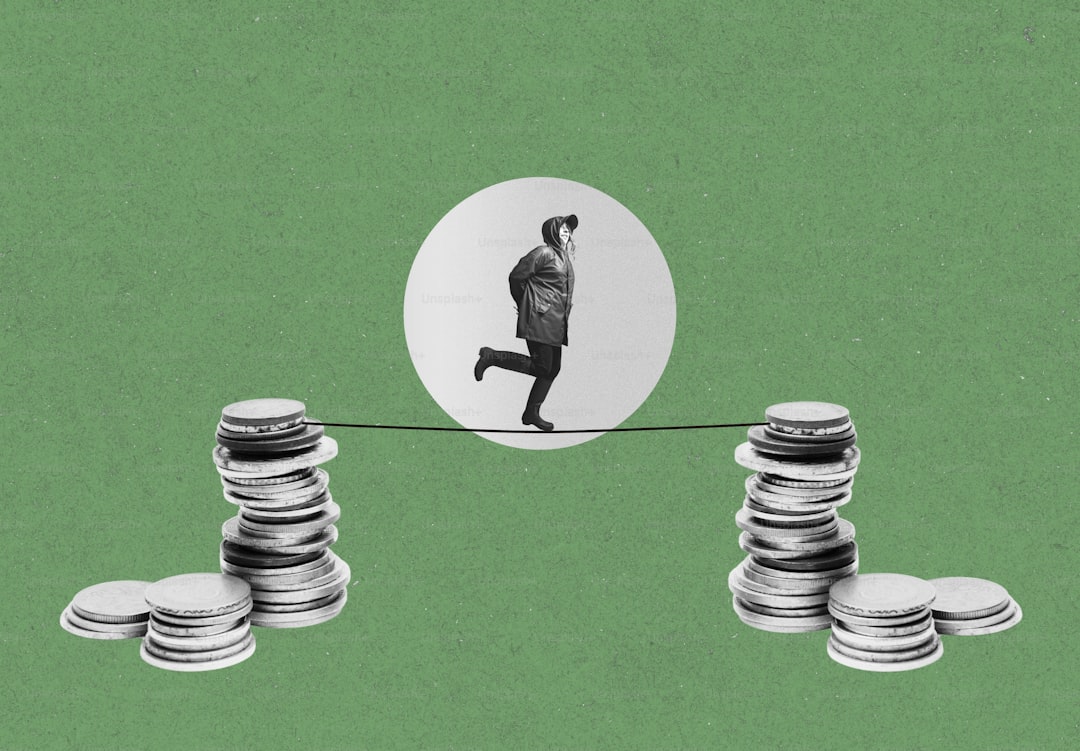
The moment the underdog steps onto the stage, court, or boardroom, a familiar sensation arrives—the tightening of the chest, the tremor in the hands, the cacophony of what-ifs that threaten to derail...