The Power of Intellectual Humility: Why Knowing You Might Be Wrong is Your Greatest Strength
There is a quiet terror that accompanies the moment we realize we might be mistaken.
The Five-Minute Courage Rule: A Practical Tool to Silence Your Inner Critic
The inner critic is the most persistent and persuasive voice you will ever encounter.
The Psychology of Pattern Recognition in Conspiracy Belief
Human beings are pattern-seeking creatures.

The Divine Question: Helping Children Navigate Doubts About God’s Existence
A child looks up from a nature documentary, her brow furrowed.
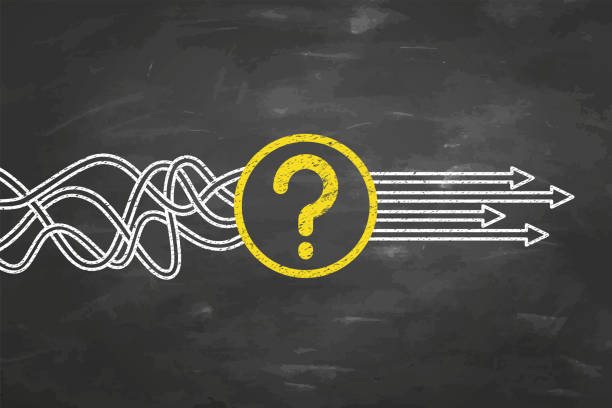
From Analysis Paralysis to Inquiry in Motion: How to Turn Endless Questions into Decisive Steps
The mind of a questioner is a restless engine.
The Silent Trigger: How Unrealistic Expectations Fuel Self-Doubt
Self-doubt rarely emerges from nowhere.
The Art of Reading Against the Grain: How Contrarian Books Forge Resilient Thinkers
To curate a personal library of doubt resources is to consciously assemble voices that unsettle you.
The Fallibility of Expert Consensus: When to Question and When to Trust
In an age of information overload, the public is often caught between two opposing impulses: a reflexive deference to experts and a cynical dismissal of all authority.
The Replication Crisis: Why One Study Is Never Enough
A single study lands in the news with a bold headline: “Coffee Linked to Longer Life.” Within hours, the claim spreads across social media, shared by wellness influencers and skeptics alike.

The Crucible of Doubt: Why Underdogs Thrive When Everything Is on the Line
Every great underdog story begins not with a triumph but with a tremor.
The Power of Questioning Together: How Doubt-Friendly Communities Transform Spiritual Seekers
Doubt has long been cast as the enemy of faith, a corrosive force that erodes belief and leaves the spiritual seeker stranded in a barren landscape of uncertainty.
Confounding Variables: How Hidden Factors Distort Study Results
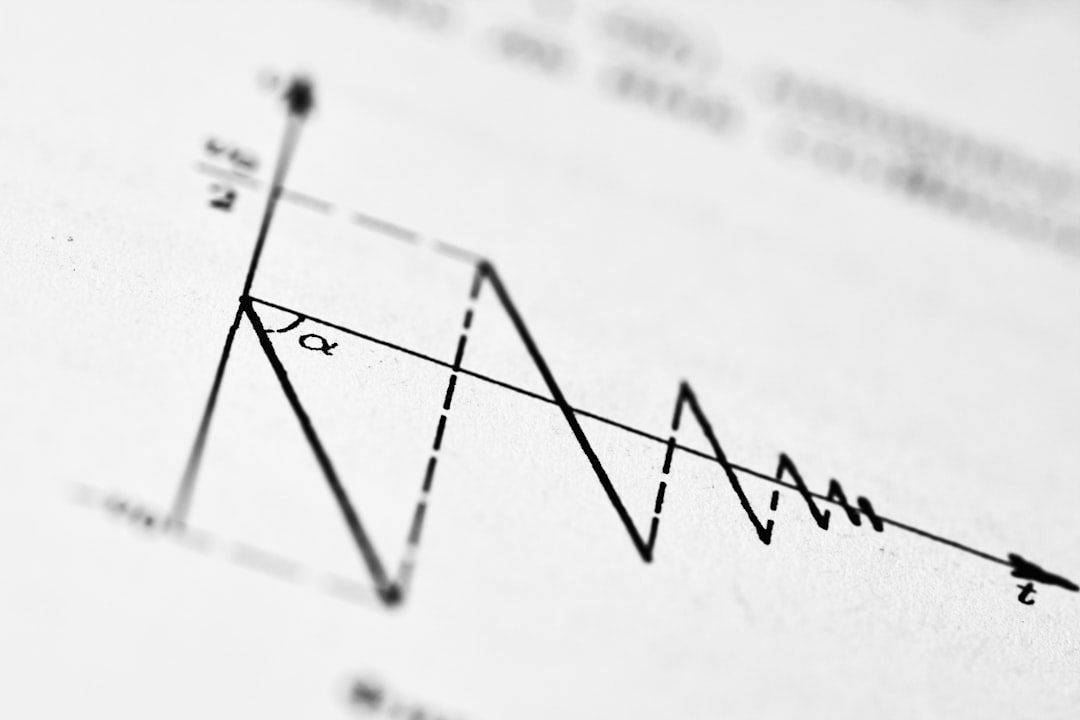
Every day, a new headline announces that coffee prevents heart disease, then another claims it causes cancer, and a third insists it has no effect at all.
How to Model Intellectual Humility When You Don’t Have the Answers
Children are natural questioners.
Survivorship Bias: How Flawed Sampling Warps Our Understanding of Success
When we look at the world’s most celebrated entrepreneurs, athletes, or artists, it is tempting to extract universal lessons from their journeys.
The Hippie Counterculture: Doubting the American Dream as a Catalyst for Critical Consciousness
The 1960s counterculture, often romanticized as a season of peace, love, and psychedelic experimentation, was at its core a profound exercise in doubt.
The Art of Holding Doubt Lightly: Balancing Skepticism and Faith in Love
In the quiet spaces between two people, doubt often creeps in like an uninvited guest.

The Art of Asking Why
The child’s question “Why is the sky blue?” is often met with a simple scientific answer about light scattering.
When Your Child Doubts Their Own Abilities: A Parent’s Guide to Transforming Self-Doubt into Growth
Every parent has witnessed the moment.
The Hidden Hand Framework: Deconstructing the Illusion of a Single Master Conspiracy
Perhaps no narrative structure exerts a stronger gravitational pull on the human imagination than the belief that a single, all-powerful cabal secretly controls world events.
The Questioner’s Trap: Why You Don’t Need Certainty to Act
You have spent hours, maybe years, refining the art of questioning.
Questioning the Myth of the “Golden Age”: How Doubting Cultural Nostalgia Fuels Personal Growth
Across nearly every culture and historical period, people have looked backward with longing, convinced that a previous era was purer, simpler, or more virtuous.
The Art of Deliberate Practice: How Underdogs Turn Preparation into Unshakeable Confidence
Every underdog story begins with a gap.
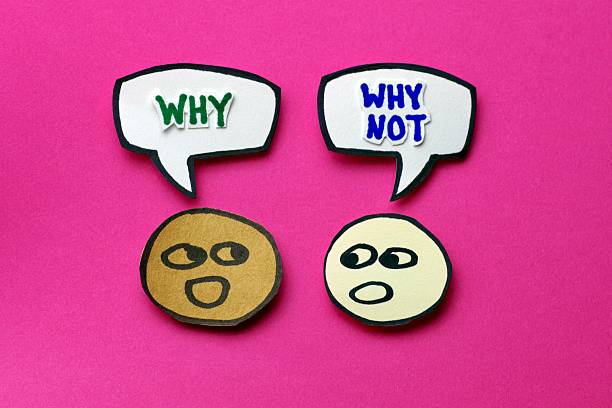
The Paradox of Shared Doubt: Why Your Community of Questioners Must Embrace Disagreement to Thrive
The impulse to find a community of fellow questioners is a natural and powerful one.