
How to Curate a Library of Intellectual Humility: Embracing Uncertainty as a Resource
The act of questioning is not merely a habit; it is a form of identity.

The Mirror of Childhood: How Early Emotional Neglect Breeds Self-Doubt
In the quiet hours of reflection, many adults find themselves wrestling with a persistent, gnawing sense of inadequacy.
The Art of Documenting Wins: How a Proof File Rewires Your Brain for Confidence
The inner critic is a relentless editor, constantly revising your personal history to highlight failures while cropping out every triumph.

The Role of Anxiety in the Existential Search for Meaning
Anxiety is often dismissed as a psychological ailment, a disruption to be medicated or meditated away.

The Spotlight Effect: How Overestimating Others’ Attention Fuels Self-Doubt
You walk into a room, and for a fleeting moment, you are absolutely convinced that every eye is on you.

The Transformative Power of Doubt in Romantic Partnerships: From Suspicion to Secure Attachment
In any intimate relationship, doubt arrives uninvited.
Conquering the Fear of Judgment: Speaking Up When Your Ideas Feel Incomplete
The boardroom falls quiet after your manager asks for fresh ideas.
The Art of Unlearning: Why Deconstruction Requires More Than Criticism
When believers begin the process commonly called deconstruction, the instinct is often to attack—to dismantle old beliefs with the blunt force of logic, historical critique, or moral outrage.

Why Your Library Needs Books That Challenge Your Core Beliefs
The most dangerous book on your shelf is the one that agrees with you.

Anxiety as a Compass: Navigating Existential Doubt Toward Authentic Living
Anxiety, for many, is a signal of something gone wrong—a glitch in the machinery of a well-ordered life.

Interfaith Dialogue: A Sanctuary for Spiritual Seekers and Doubters
For those who find themselves standing at the edge of inherited belief, peering into the unknown with both curiosity and unease, the search for a community that welcomes doubt rather than suppresses...

The Anatomy of the Critic: Using Doubt to Build Boundaries with Overly Critical People
The moment feels familiar.

Catastrophizing: The Cognitive Distortion That Fuels Self-Doubt and How to Rewire It
Every human mind possesses an ancient survival mechanism that, in its original form, kept our ancestors alive: the tendency to scan the horizon for the worst possible outcome.

The Feedback Filter: Transforming Workplace Doubt into Professional Growth
In the modern workplace, few experiences trigger a more visceral wave of doubt than receiving criticism.
The Art of Separating Their Doubt from Your Own: Boundaries with Overly Critical People
When someone you love—a parent, partner, or close friend—repeatedly questions your choices, your capabilities, or your worth, a strange alchemy occurs.

The Deep State Narrative: Deconstructing a Modern Conspiracy Framework
The concept of a “Deep State” has become one of the most pervasive and politically charged conspiracy theory frameworks of the twenty-first century.

The Anatomy of an Imposter Episode: Identifying Your Personal Trigger Points
The voice arrives without warning.

Emotional Reasoning: How Feelings Become Facts in the Mind
Emotional reasoning is one of the most insidious cognitive distortions driving chronic self-doubt.

The Doubt of Overpromising and Underdelivering: How to Rebuild Trust When Credibility Falters
In the high-stakes environment of the modern workplace, the pressure to impress colleagues, managers, and stakeholders often triggers a dangerous reflex: saying yes to everything.

The Wisdom of Montaigne: Embracing Doubt as the Path to Self-Knowledge
In the tumultuous landscape of sixteenth-century France, torn apart by religious wars and dogmatic certainties, Michel de Montaigne retreated to his library tower and began a radical experiment: he...
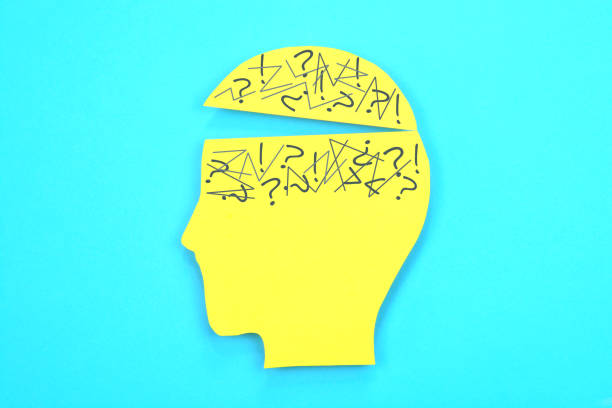
The Doubt of Job: How the Problem of Evil Forges Unshakeable Faith
Few challenges to religious belief cut as deeply as the Problem of Evil, the ancient and persistent question of how a supposedly all-powerful, all-knowing, and all-good God can permit the existence of suffering.

The Art of Asking ’Why’ Without Causing a Fight: Modeling Inquiry at the Dinner Table
The dinner table is a battlefield of half-truths, forgotten homework, and the eternal question of why broccoli must exist.

The Need for Certainty: How Cognitive Closure Drives Conspiracy Belief
Human beings are wired to seek meaning.

Decoding the Body’s Alarm System: Fear, Intuition, and Self-Doubt
Imagine standing at the edge of a decision that could change your life.