
The Weight of the Past: Why Historical Narratives Resist Change
Historical narratives are more than just records of the past; they are foundational stories that shape collective identity, justify power structures, and provide a sense of continuity.

Healthy Skepticism vs. Destructive Self-Doubt: The Critical Line
At first glance, healthy skepticism and destructive self-doubt might appear as close relatives in the family of questioning thought.

The Essential Dance: How Doubt Fuels the Creative Fire
Doubt and creativity are often perceived as opposing forces, locked in a battle for the artist’s soul.

Navigating Conversations with Those Who Hold Fringe Beliefs
In an era of fragmented information and deepening social divides, encountering someone with fringe beliefs—ideas far outside the mainstream consensus on topics like science, medicine, or history—has become commonplace.

How Doubt Can Be the Catalyst for Profound Personal Growth
Doubt is often perceived as a weakness, a nagging voice of insecurity that undermines confidence and paralyzes action.

When to Question Authority and Expert Consensus
In an age defined by rapid scientific advancement and complex global challenges, society places immense trust in authority figures and expert consensus.
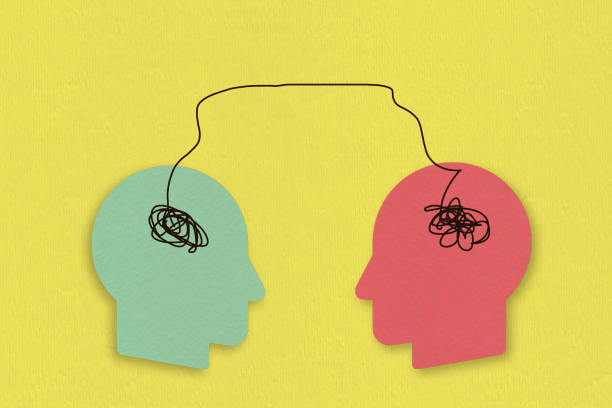
How Healthy Doubt Can Be the Cornerstone of Stronger Relationships
We often view doubt as a corrosive force, a silent saboteur lurking in the shadows of trust.

How Self-Doubt Fueled the Brilliance of Marie Curie
The narrative of scientific triumph is often painted in bold strokes of unwavering confidence, a myth that obscures a more profound and human truth.

Navigating the Digital Maze: How to Handle Contradictory Information Online
In the vast, interconnected library of the internet, encountering contradictory information is not a possibility but a daily certainty.

The Essential Catalyst: How Doubt Drives Scientific Discovery
Doubt is not the antithesis of science but its very lifeblood.

The Transformative Power of Embracing Uncertainty
In a world that often prizes unwavering conviction, the act of embracing doubt can feel like a surrender.

When Is It Valid to Question Mainstream Science?
The edifice of modern science, built upon peer review, empirical evidence, and self-correction, stands as humanity’s most reliable method for understanding the natural world.
The Shadow of Uncertainty: Are Conspiracy Theories a Form of Existential Doubt?
In an age of overwhelming complexity and rapid change, conspiracy theories have surged from the fringes to the mainstream of public discourse.
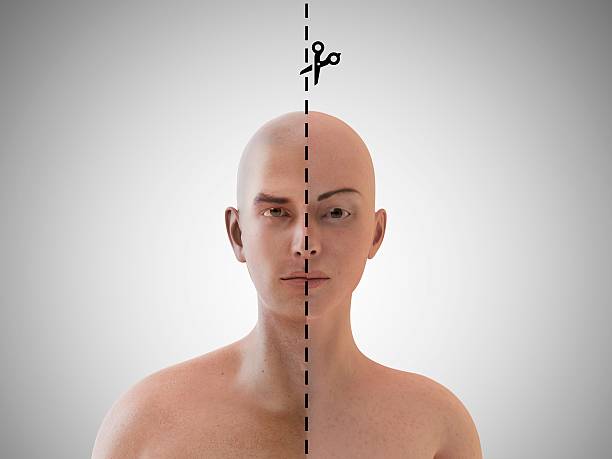
The Dilemma of Blame: Moral Responsibility Without Certain Free Will
The question of whether we can hold people morally responsible if free will is doubtful strikes at the very heart of ethics, justice, and our understanding of the human condition.

The Double-Edged Sword of Doubt: Can We Have Too Much?
Doubt is an essential engine of human progress, the quiet voice that questions dogma, spurs scientific inquiry, and fosters intellectual humility.

Can This Process Help with Imposter Syndrome?
Imposter syndrome, that persistent and gnawing feeling of being a fraud despite evident accomplishments, is a psychological experience that plagues individuals across professions and walks of life.

The Path to Rebuilding Trust After Causing Legitimate Doubt
When you have been the source of legitimate doubt, the landscape of a relationship—be it personal or professional—feels irrevocably altered.

Navigating Uncertainty: A Guide to Handling Doubt About Your Biggest Goals
Doubt is the silent companion of every ambitious endeavor.

Maintaining Confidence When Doubts Feel Overwherelming
The experience of overwhelming doubt is a universal human phenomenon, a shadow that can fall across even the most accomplished lives.

Navigating Vulnerability with a Skeptical Partner
Opening yourself up to another person is an act of courage, a delicate offering of your inner world.

Building a Child’s Unshakeable Core: A Guide to Confidence and Resilience
The playground whisper, the locker-room tease, the silent, crushing weight of wanting to belong—peer pressure is an almost universal rite of passage.

Why Funding and Conflicts of Interest Matter in Research
In an age where information is both currency and weapon, the integrity of scientific and academic studies forms the bedrock of public trust and informed decision-making.
How to Question Conspiracy Theories Without Causing Defensiveness
In an era of profound information saturation, conversations about conspiracy theories have moved from the fringe to the family dinner table.

The Art of Balanced Alternative Thought: A Guide to Clearer Thinking
In a world saturated with polarized opinions and rapid-fire judgments, the ability to form a “balanced alternative thought” is a cornerstone of genuine critical thinking and emotional resilience.