Skip to Content

Moving from Paralysis to Purposeful Action

The Questioner’s Dilemma: When Asking ’Why’ Stops You from Moving Forward

The Questioner’s Dilemma: When Asking ’Why’ Stops You from Moving Forward

The very trait that defines a healthy questioner—an insatiable curiosity, a refusal to accept easy answers—can become the source of its own paralysis.

How to Turn Impostor Syndrome into a Compass for Growth

How to Turn Impostor Syndrome into a Compass for Growth

The voice that whispers you are not ready, that you have somehow fooled everyone, that your achievements are accidents—this is the voice of impostor syndrome.

The Art of Constructive Doubt: Turning Uncertainty into Purposeful Action

The Art of Constructive Doubt: Turning Uncertainty into Purposeful Action

Doubt arrives without warning, a quiet intruder that second-guesses every decision and clouds every clear path.

Doubt as a Springboard: Turning Paralysis into Purpose

Doubt as a Springboard: Turning Paralysis into Purpose

The moment you stop treating doubt as an enemy and begin honoring it as a guide, the entire landscape of your inner life shifts.
The Questioner’s Trap: Why You Don’t Need Certainty to Act

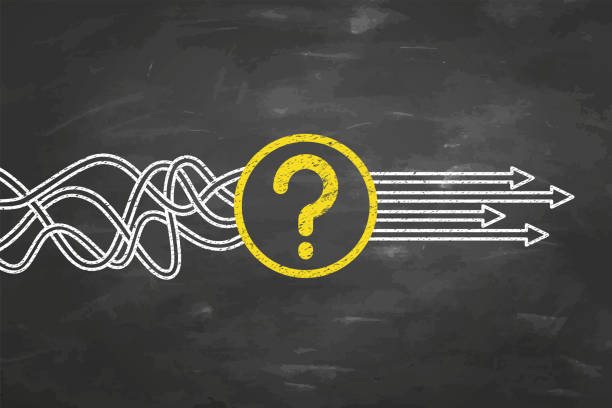
The Questioner’s Trap: Why You Don’t Need Certainty to Act

You have spent hours, maybe years, refining the art of questioning.
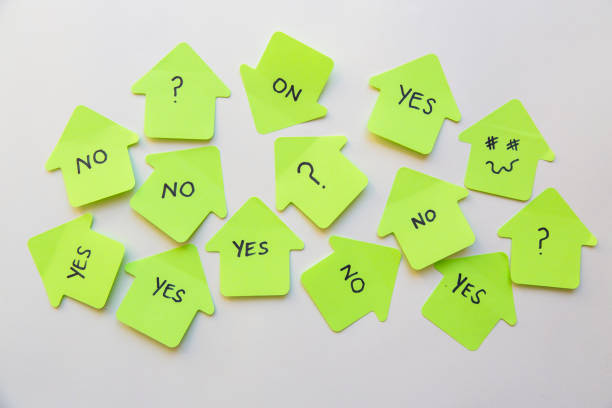
From Analysis Paralysis to Decisive Inquiry: Embracing the Provisional Yes

From Analysis Paralysis to Decisive Inquiry: Embracing the Provisional Yes

Doubt, when left unexamined, can become a cage.

The Tyranny of the Inner Doubter: Why We Heed Criticism Over Encouragement

The Tyranny of the Inner Doubter: Why We Heed Criticism Over Encouragement

The human mind is a landscape of competing voices, a constant internal dialogue where hopes and fears, confidence and doubt, vie for dominance.
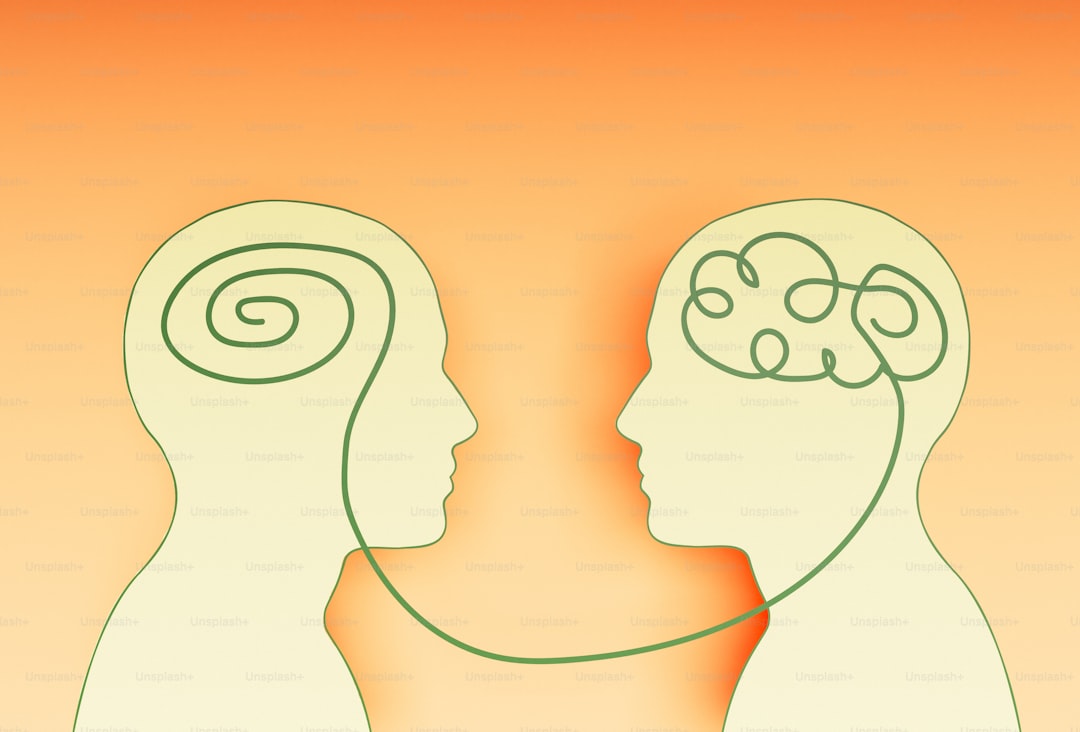
How Understanding Cognitive Biases Illuminates the Path Through Doubt

How Understanding Cognitive Biases Illuminates the Path Through Doubt

Doubt is an unsettling yet universal human experience, a fog that rolls into the mind, obscuring certainty and paralyzing action.

How Doubt in Conspiracy Theories Unlocks the Power of Critical Thinking

How Doubt in Conspiracy Theories Unlocks the Power of Critical Thinking

In an age where sensational claims can circle the globe before facts have tied their shoes, conspiracy theories present a formidable challenge to public discourse.

Understanding Analysis Paralysis: The Crippling Cycle of Overthinking

Understanding Analysis Paralysis: The Crippling Cycle of Overthinking

In an age defined by an abundance of choice and information, a peculiar form of modern stagnation has emerged: analysis paralysis.

Seeds of Doubt

Why do we often listen to our inner doubter more than our inner advocate?

Our brain’s negativity bias is an evolutionary survival mechanism, prioritizing potential threats (like failure or rejection) over opportunities. The inner doubter shouts warnings, while the inner advocate whispers encouragement. This site provides strategies to consciously amplify the advocate—through evidence-based self-talk, celebrating small wins, and reframing “threats” as “challenges”—to rebalance this innate bias and build unshakeable confidence from within.

How can doubt about a conspiracy theory be a catalyst for critical thinking?

Doubt is the essential starting point. Instead of immediately accepting or rejecting a theory, purposeful doubt asks: “What is the quality of the evidence? What are the source’s motives? What do credible experts say?“ This process builds mental muscles for evaluating information. We harness that initial doubt to follow a structured inquiry, moving from passive confusion to active, skilled discernment, which is foundational for personal and intellectual growth.

Can self-doubt ever be useful or positive?

Absolutely. Self-doubt is a signal, not a sentence. It asks: “Are you prepared? Have you considered the risks? Is this aligned with your values?“ Used purposefully, it prompts necessary preparation, contingency planning, and integrity checks. The key is to engage with it as a questioning consultant, not a tyrannical boss. Answer its questions with evidence and planning, then make a decision. This transforms doubt from a paralyzer into a tool for robust, thoughtful action.

How does understanding cognitive biases help me navigate doubt?

Cognitive biases are mental shortcuts that often distort our thinking. Confirmation bias, for example, makes us seek evidence that confirms our existing doubts. By learning about biases like this, we can spot them in action. We can then consciously ask: “Am I only seeing evidence for my doubt? What am I missing?“ This meta-cognition allows you to step outside the doubt spiral and evaluate information more objectively, turning doubt into a more accurate assessment.

How do I know if my doubt is intuition or fear in disguise?

Intuitive doubt feels like a calm, bodily “check” or a persistent, quiet knowing that something is off, often accompanied by a sense of clarity. Fear-based doubt is loud, anxious, and catastrophic, filled with “what ifs” and vivid images of failure. Test it: Ask, “Is this doubt protecting me or limiting me?“ Intuition guides toward safety/alignment; fear restricts growth. Journaling can help spot the repetitive, frantic patterns of fear versus the consistent, quiet nudges of intuition.