
Skip to Content

Philosophical and Existential Doubt Exploration

Navigating the Storm: A Guide to Moving Through Overwhelming Doubt

Navigating the Storm: A Guide to Moving Through Overwhelming Doubt

Doubt, in its milder forms, can be a useful tool—a check against arrogance, a prompt for deeper inquiry.

Existentialism’s Bold Affirmation of Freedom in the Face of Doubt

Existentialism’s Bold Affirmation of Freedom in the Face of Doubt

The question of free will stands as one of humanity’s most persistent and troubling philosophical puzzles, challenged by scientific determinism, theological predestination, and the seeming influence of unconscious drives.

The Comfort of Certainty: How Conspiracy Theories Fulfill Psychological Needs

The Comfort of Certainty: How Conspiracy Theories Fulfill Psychological Needs

In an age of overwhelming information and complex global challenges, conspiratorial thinking offers a seductive alternative to the discomfort of uncertainty.

The Roots of Skepticism: Why People Doubt Established Science

The Roots of Skepticism: Why People Doubt Established Science

In an age defined by unprecedented technological advancement and access to information, a curious and consequential phenomenon persists: the widespread doubt of established scientific consensus.

The Shared Anchor: How Community Grounds Us in Existential Uncertainty

The Shared Anchor: How Community Grounds Us in Existential Uncertainty

Existential doubts—those profound questions about meaning, purpose, and our place in a seemingly indifferent universe—are fundamentally solitary experiences.
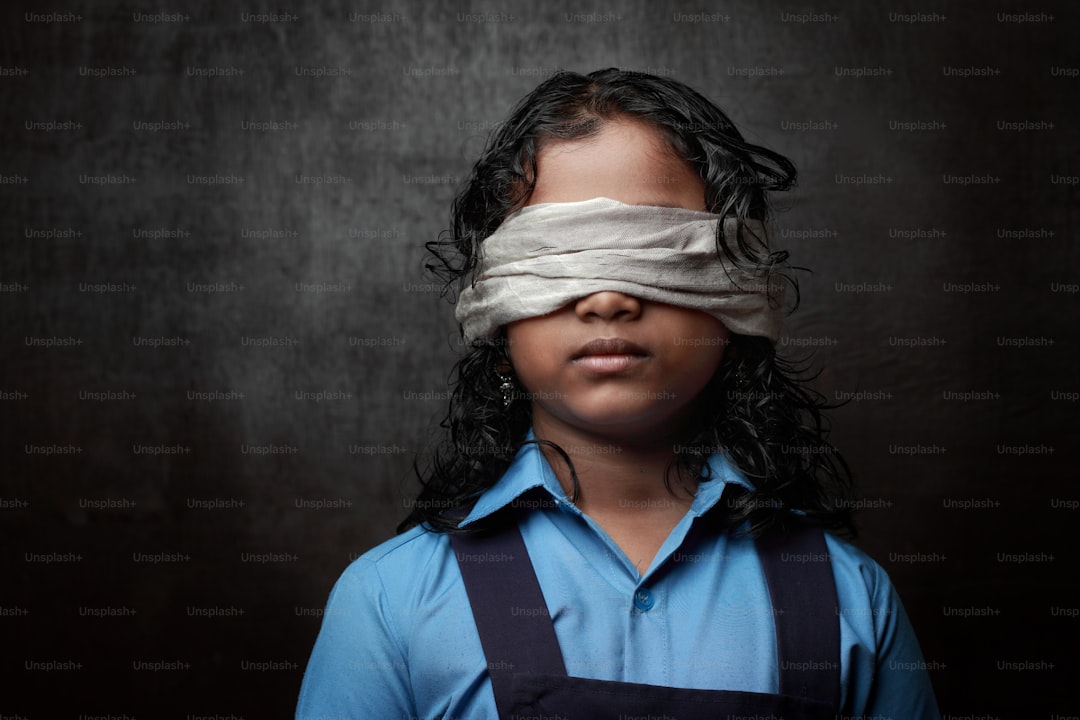
Doubt as a Virtue: Philosophical Traditions of Profound Questioning

Doubt as a Virtue: Philosophical Traditions of Profound Questioning

To consider doubt a mere lack of conviction is to misunderstand its profound role in the pursuit of wisdom.

How to Distinguish Rational Doubt from Self-Sabotage

How to Distinguish Rational Doubt from Self-Sabotage

The inner voice of doubt is a universal human experience, a whisper that can either protect us from peril or paralyze us with fear.

The Fortress of Belief: Why We Cling to Convictions in the Face of New Facts

The Fortress of Belief: Why We Cling to Convictions in the Face of New Facts

We live in an age of unprecedented access to information, where new evidence and diverse perspectives are merely a click away.

The Uncomfortable Power of Skeptical Philosophy

The Uncomfortable Power of Skeptical Philosophy

Skeptical philosophy is not about cynicism or a lazy refusal to believe anything.

Philosophical and Existential Doubt: The Engine of a Conscious Life

Philosophical and Existential Doubt: The Engine of a Conscious Life

Philosophical and existential doubt is not a problem to be solved but a condition to be inhabited.

Confronting the Void: Existentialism and the Search for Meaning

Confronting the Void: Existentialism and the Search for Meaning

Existentialism is not a philosophy of comfort.
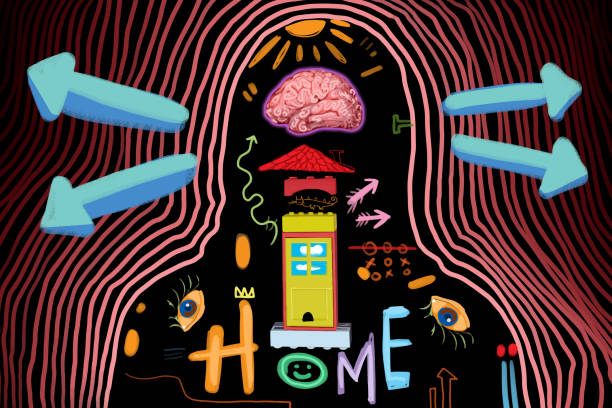
Debating Free Will, Consciousness, and Identity: Your Mind’s Greatest Questions

Debating Free Will, Consciousness, and Identity: Your Mind’s Greatest Questions

The questions of free will, consciousness, and identity are not just academic puzzles.

Seeds of Doubt

How does existential doubt differ from everyday uncertainty?

Everyday uncertainty is situational (“What should I choose?“). Existential doubt targets the foundational pillars of meaning: purpose, freedom, mortality, and morality. It asks, “Does anything truly matter?“ This profound questioning can trigger anxiety but is also a gateway to authentic living. By confronting the void, we are forced to create our own meaning and values, moving from passive existence to active, responsible life-creation. It’s the doubt that, when faced, can lead to the most significant personal transformation.

What’s the difference between healthy skepticism and corrosive cynicism?

Healthy skepticism is open-minded inquiry—asking “How do we know this is true?“ and being willing to follow evidence. It’s motivated by curiosity. Corrosive cynicism is closed-minded denial—asserting “This can’t be true” regardless of evidence. It’s motivated by distrust or a desire to feel superior. Skepticism builds better understanding; cynicism often stops thought. The litmus test is whether the doubt leads you to seek better answers or simply to dismiss ideas, thereby insulating yourself from learning.

How do I know when to stop doubting and make a decision?

Doubt must serve action, not prevent it. Set decision deadlines based on available information, not perfect certainty. Ask: “Do I have enough data to make a reasonably good choice? What is the cost of delaying?“ Use the “doubting window” for diligent research, then commit. Recognize that most decisions are reversible or correctable. Perfectionism is often paralyzing doubt in disguise. The final question is: “Is further doubt adding value, or is it now just fear of responsibility?“ At that point, act and learn from the outcome.

What role does community play in dealing with existential doubts?

While meaning-making is ultimately personal, community provides the essential crucible for testing and refining our ideas. Sharing doubts with trusted others normalizes the experience, reducing isolation. It exposes us to diverse perspectives, challenging our biases and enriching our understanding. A supportive community can hold hope for us when ours falters, offering reflection and encouragement. However, existentialism cautions against letting the collective dictate your meaning; use community as a dialogue partner, not an authority.

What psychological needs does conspiratorial thinking fulfill for doubters?

Conspiratorial thinking fulfills fundamental human needs: for certainty in a chaotic world, for control and understanding, and for a sense of unique insight or superiority. It reduces complexity to a simple narrative of good vs. evil, providing clear answers. It also offers community and belonging within the “enlightened” in-group. Ultimately, it protects the believer from the anxiety of random, impersonal events, replacing it with a story where someone is in control, even if that control is malevolent.