Skip to Content

Practical Tools for Quieting Your Inner Critic

Behavioral Experiments: The Evidence-Based Way to Silence Your Inner Critic

Behavioral Experiments: The Evidence-Based Way to Silence Your Inner Critic

Your inner critic is a master storyteller.

Affirming with Evidence: How to Craft a Statement Your Brain Believes

Affirming with Evidence: How to Craft a Statement Your Brain Believes

The inner critic is a master of persuasion, but it is also a product of repetition.
Riding the Wave: Mindfulness for Anxious Thought Loops

Riding the Wave: Mindfulness for Anxious Thought Loops

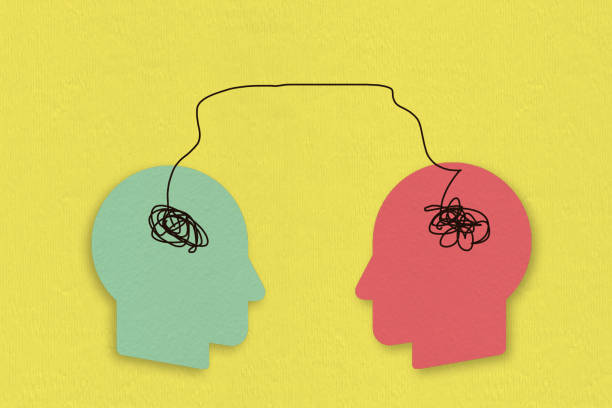
The inner critic has a favorite pastime: replaying the same anxious thought until it becomes a deafening loop.
The Memory Bias That Feeds Your Inner Critic

The Memory Bias That Feeds Your Inner Critic

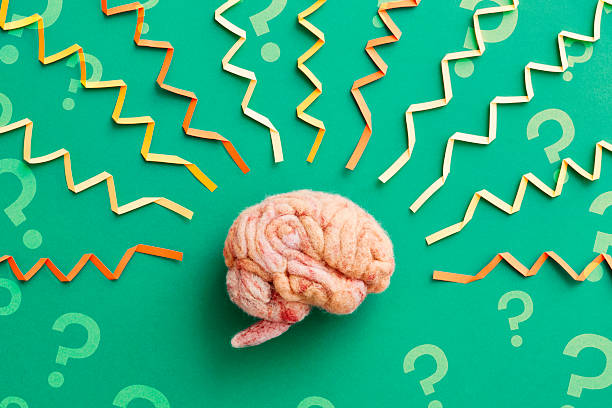
Your inner critic does not argue with facts.
Examining the Evidence: A Practical Exercise to Silence Your Inner Critic

Examining the Evidence: A Practical Exercise to Silence Your Inner Critic

Your inner critic speaks with the authority of a courtroom judge, delivering verdicts like “You are incompetent,” “Nobody respects you,” or “You will never succeed” without ever presenting a shred of admissible evidence.

Designing Personal Affirmations That Answer Doubt Directly

Designing Personal Affirmations That Answer Doubt Directly

The inner critic does not whisper; it argues.

The Art of Imperfect Beginnings: How the Five-Minute Courage Rule Turns Self-Doubt into Momentum

The Art of Imperfect Beginnings: How the Five-Minute Courage Rule Turns Self-Doubt into Momentum

The inner critic is a master of mathematics, always calculating the cost of every possible mistake before you take a single step.

How Self-Compassion Transforms Your Inner Dialogue

How Self-Compassion Transforms Your Inner Dialogue

Every morning, before you even lift your head from the pillow, a familiar voice begins its work.

Micro-Compassion: Small Daily Gestures That Silence the Inner Critic

Micro-Compassion: Small Daily Gestures That Silence the Inner Critic

The inner critic is not a monster that appears only during crises.

The Gentle Art of Watching Your Inner Critic Like Clouds

The Gentle Art of Watching Your Inner Critic Like Clouds

Imagine sitting on a hillside on a breezy afternoon.

Affirmations as an Experiment, Not a Mantra: Turning Self-Doubt into Data

Affirmations as an Experiment, Not a Mantra: Turning Self-Doubt into Data

Repeating “I am worthy” feels like a lie when your inner critic fires back with a list of failures.
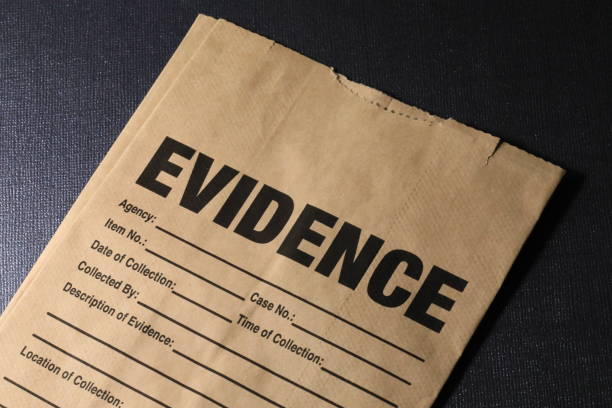
Why Your Brain Overwrites Success and How to Build an Unshakeable Proof File

Why Your Brain Overwrites Success and How to Build an Unshakeable Proof File

Your inner critic is not a liar, but it is a ruthless editor.

Seeds of Doubt

How do I gather evidence against my doubting thought?

Act like a detective or scientist. Ask: “What factual evidence contradicts this thought?“ List past successes, however small. Consider times the feared outcome didn’t happen. Seek objective data: What would a trusted friend say? What are the statistical odds? Look for grey areas—evidence that the thought is not 100% true, 100% of the time. This builds a case for a more balanced view, directly countering the brain’s negativity bias.

How does challenging thoughts build long-term resilience?

Each challenge is a workout for your “critical thinking muscle.“ Over time, you internalize the questioning process, automatically intercepting and evaluating distorted thoughts before they escalate. This builds metacognition—the ability to think about your thinking. You become less hostage to fleeting doubts and more confident in your ability to navigate uncertainty. Resilience is the outcome of repeatedly proving to yourself that you can handle discomfort and find your way.

How can I distinguish between healthy skepticism and harmful doubt?

Healthy skepticism is open-minded, evidence-seeking, and willing to update beliefs with new information. It asks, “What is the evidence?“ Harmful doubt is often closed, fear-based, and resistant to contrary evidence, asking, “What if I’m right?“ The key difference is flexibility. Healthy skepticism is a tool for discovery; harmful doubt is a rigid filter that distorts reality to confirm pre-existing fears or biases, ultimately hindering growth and decision-making. It often persists despite overwhelming counter-evidence.

How can I tell if my inner critic is protecting me or holding me back?

Your inner critic protects you when its warnings are specific, proportional, and lead to prudent preparation. It holds you back when its messages are vague, catastrophic, and lead to avoidance. Ask: “Is this fear based on a real, current threat or a past, generalized anxiety?“ Protection feels like cautious planning; holding back feels like debilitating dread. We’ll reframe the critic from a shutdown artist into a strategic advisor focused on risk management, not risk avoidance.

How can self-compassion help me deal with my inner critic?

Self-compassion directly counteracts the harshness of your inner critic by replacing judgment with kindness. Instead of fighting the critical voice, you acknowledge your struggle with understanding. This creates psychological safety, allowing you to see “failures” as human experiences shared by all. This gentle approach disarms the critic’s power, reduces shame, and frees up mental energy for constructive growth rather than destructive self-punishment.