
Embracing the Void: Navigating the Search for Meaning through Existentialism
The human experience is often punctuated by profound moments of doubt—a creeping sense of uncertainty regarding our purpose, our choices, and the very nature of the reality we inhabit.

Harmonizing Skepticism and Intuition: The Path to Balanced Wisdom
In our modern world, we are frequently encouraged to choose a side: either embrace the cold, hard logic of skepticism or surrender to the flow of intuitive knowing.

The Unexpected Ally: How Doubt Guides Meaningful Career Transitions
Doubt arrives uninvited during periods of career uncertainty.
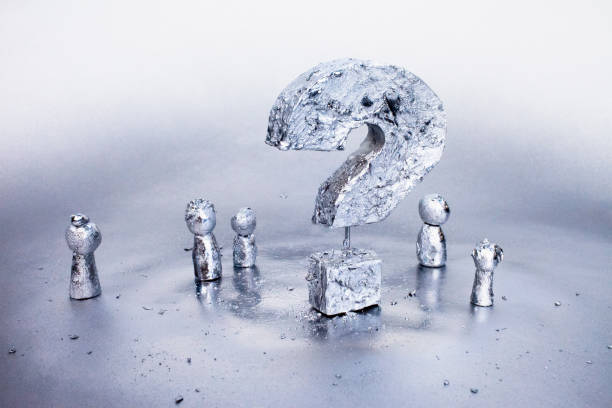
The Art of Asking Questions Instead of Arguing Facts
When a loved one begins to speak about hidden cabals, government cover-ups, or secret agendas, the instinctive reaction for most people is to reach for the nearest set of verified facts.

The Underdog’s Creed: Transforming Shared Doubt into Collective Resilience
In every arena where the odds are stacked against a group, from startup garages to losing locker rooms and marginalized movements, a strange paradox emerges.

The Null Hypothesis: How Embracing “No Effect” Strengthens Your Critical Thinking
Imagine you read a headline claiming that eating chocolate improves memory.

The Deep State as a Conspiracy Framework: How Elite Shadow Narratives Exploit Institutional Doubt
The term “Deep State” has become one of the most potent and pervasive conspiracy frameworks of the twenty-first century, yet its power lies less in its factual accuracy than in its psychological utility.

How to Distinguish Intuition from Insecurity in Romantic Partnerships
Every person in a committed relationship has felt the sharp sting of doubt at some point.

The Historical-Critical Method: Doubting the Bible to Discover Its Deeper Truth
For centuries, the sacred texts of the world’s religions were treated as unassailable monuments, handed down from a divine source without human fingerprint.

The Strategic Power of Owning Your Doubts: Building Credibility Through Vulnerability
In the professional world, conventional wisdom often dictates that confidence is king.

Why the Fear of Sounding Stupid Is Your Secret Weapon
In every workplace, there is a moment that arrives with the same quiet terror as the final seconds before a bungee jump.
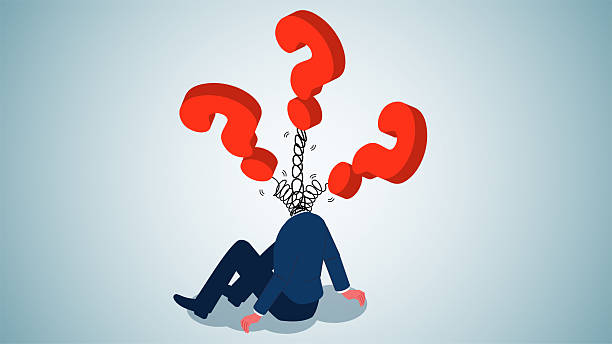
The Echoes of Early Criticism: How Parental Expectations Shape Adult Self-Doubt
The voice that whispers you are not enough often has a familiar cadence.

The Fear of Being ’Too Sensitive’: Overcoming Self-Doubt When Setting Boundaries with Critical People
When someone you love—a partner, a parent, a lifelong friend—consistently points out your flaws, questions your decisions, or dismisses your feelings with a sharp remark, a peculiar kind of doubt begins to fester.

The Paradox of Self-Affirmation: Why Generic Praise Fails and Specificity Wins
Most people have tried standing in front of a mirror, repeating “I am worthy” or “I am enough,” only to feel a hollow echo rather than genuine transformation.

The Brain in a Vat: How Radical Doubt Forges Unshakeable Confidence
Imagine, for a moment, that you are not reading these words on a screen.

The Paradox of Certainty: Why Doubt Makes You a Better Contributor in Meetings
The conference room hums with the low buzz of conversation.

The Art of the Clutch: How Underdogs Transform Pressure into a Privilege
There is a moment every underdog knows intimately.

Why Your Affirmations Feel Like Lies: Rewiring the Brain to Silence the Inner Critic
When you stare into the mirror and recite “I am confident, I am worthy, I am enough,” and the voice inside your head retorts with a snort of disbelief, you are not broken.

The Brain in a Vat: How Radical Doubt Refines Your Relationship with Reality
Imagine for a moment that every sensation you have ever experienced—the warmth of the sun on your skin, the weight of a coffee cup in your hand, the sound of a friend’s laughter—is nothing more than...

The Art of Socratic Questioning in Conversations with Conspiracy Theorists
When a loved one falls down the rabbit hole of a complex conspiracy theory, the instinctive reaction is often to fight fire with fire—to marshal facts, debunk claims, and present a wall of evidence.

The Art of Framing Doubt as a Collaborative Inquiry in Close Relationships
When uncertainty arises in a relationship, the instinct is often to suppress it, to smooth over the crack with reassurance or deflection.

The Absurd Hero: Finding Meaning in the Face of Existential Doubt
The most persistent form of doubt is not whether a friend is lying or whether a conspiracy theory holds water, but whether life itself has any inherent purpose.

The Crucible of Questions: Guiding Teens Through Faith and Identity Doubts
Adolescence is a landscape of seismic shifts, where the tectonic plates of childhood belief and adult questioning collide.

The Appeal to Ignorance Fallacy in Vaccine Conspiracy Narratives
One of the most pervasive logical errors lurking within alternative narratives is the appeal to ignorance, a fallacy that exploits the absence of evidence as if it were evidence of absence.