
The Art of Questioning: Socratic Inquiry for Existential Doubt
You wake at three in the morning, and the question is already there, waiting like a patient predator: What is the point of any of this? It is not the first time.

Doubt as a Doorway: Guiding Teens Through Faith and Identity Uncertainty
When a teenager begins to question the faith they were raised in or the identity they once wore comfortably, many parents and teachers feel a familiar spike of alarm.

The Quest for the Historical Jesus as a Catalyst for Authentic Belief
The eighteenth and nineteenth centuries unleashed a torrent of scholarly inquiry that threatened to dismantle the very foundations of Christian faith.

How Process Orientation Converts Doubt Into Strength
The underdog carries a unique burden: not just the weight of external skepticism, but the gnawing internal voice that whispers, “You are not good enough.” This voice amplifies when the goal is far...

The Lasting Weight of Conditional Approval
The human mind is not a blank slate at birth but an impressionable landscape, where early emotional interactions carve riverbeds that later shape our thoughts.

The Unspoken Power of Leading from Uncertainty
The most paralyzing moment for any leader is not the crisis that demands immediate action, but the quiet pulse of doubt that arrives before every consequential decision.
Riding the Wave: Mindfulness for Anxious Thought Loops
The inner critic has a favorite pastime: replaying the same anxious thought until it becomes a deafening loop.

The Dark Night of the Soul: When Faith Becomes a Wound
There comes a moment in every sincere spiritual journey when the familiar warmth of belief turns cold.

When Leaders Admit Uncertainty: Turning Doubt into a Team Superpower
The most corrosive lie in modern leadership is the expectation of certainty.
The Myth of the Perfect Moment
Somewhere between the first spark of ambition and the final execution of a task, a quiet saboteur takes hold.

The Quiet Power of Repetition: How Underdogs Forge Unshakeable Confidence
The most intimidating moment in any underdog’s journey is not the final showdown, but the silent hour before it begins.

The Transformative Power of Being Underestimated
When someone scoffs at your ambitions, labels your goals unrealistic, or dismisses your potential with a wave of the hand, the natural instinct is to recoil, to protest, or to internalize the sting...

The Hidden Driver of Conspiracy Belief: Uncertainty and the Need for Control
When the world feels chaotic, the mind reaches for order.

The Myth of the Single Story: Why Accepted History Deserves Doubt
Every schoolchild learns that Columbus sailed the ocean blue, that the Industrial Revolution was an unbroken arc of progress, and that the American Civil War was fought solely over states’ rights.

Perfectionism as a Hidden Trigger: Unmasking the Roots of Self-Doubt
Perfectionism often masquerades as a virtue, a badge of high standards worn with pride.
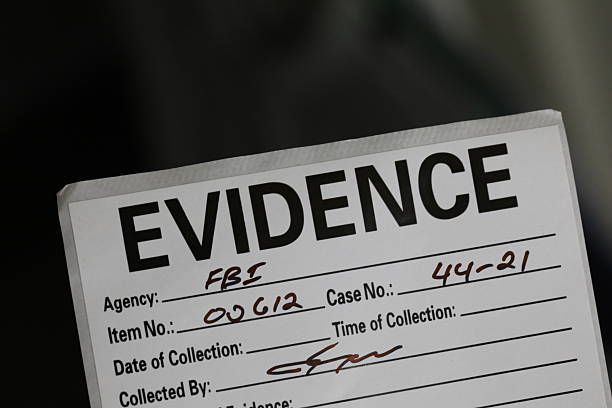
Examining the Evidence: A Practical Exercise to Silence Your Inner Critic
Your inner critic speaks with the authority of a courtroom judge, delivering verdicts like “You are incompetent,” “Nobody respects you,” or “You will never succeed” without ever presenting a shred of admissible evidence.

The Wisdom of Doubt: Cultivating a Conversation Between Skepticism and Intuition
Every genuine question carries a fork.
Teaching a Child to Doubt Their Own Fears
Every child knows the feeling of a shadow in their mind—a whisper that says, “What if something terrible happens?” or “What if you aren’t good enough?” This is not doubt.

The Art of Questioning Authority Without Dismissing Wisdom
In an era where every claim can be met with instant skepticism, the line between healthy questioning and reckless rejection has become dangerously blurred.

The Seductive Certainty of Junk Science and How to Escape It
The human mind craves certainty the way a desert craves rain.

Am I Overreacting? The Necessary Doubt When Setting Boundaries with Critical People
The question arrives like an unwelcome guest just after you have finally said no or asked for a pause.

Designing Personal Affirmations That Answer Doubt Directly
The inner critic does not whisper; it argues.

The Decision Point: Recognizing When Doubt Has Done Its Job
Doubt is often painted as the enemy of progress, a fog that rolls in and obscures the path that once seemed clear.